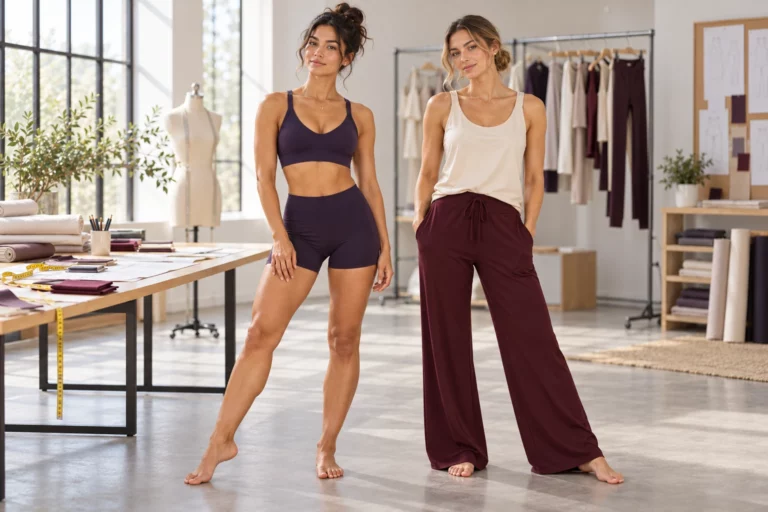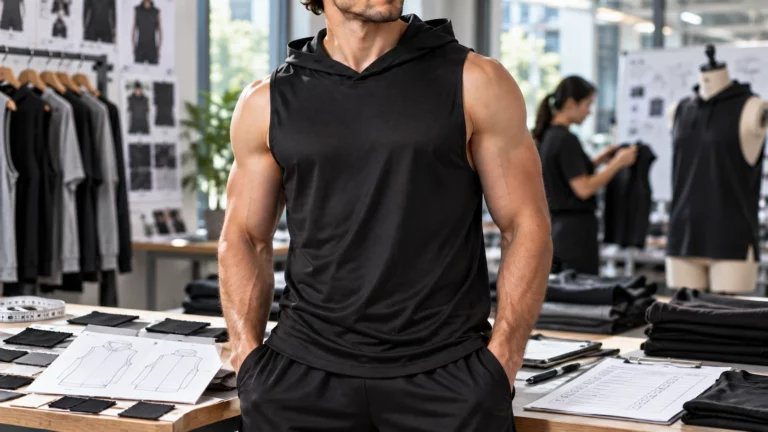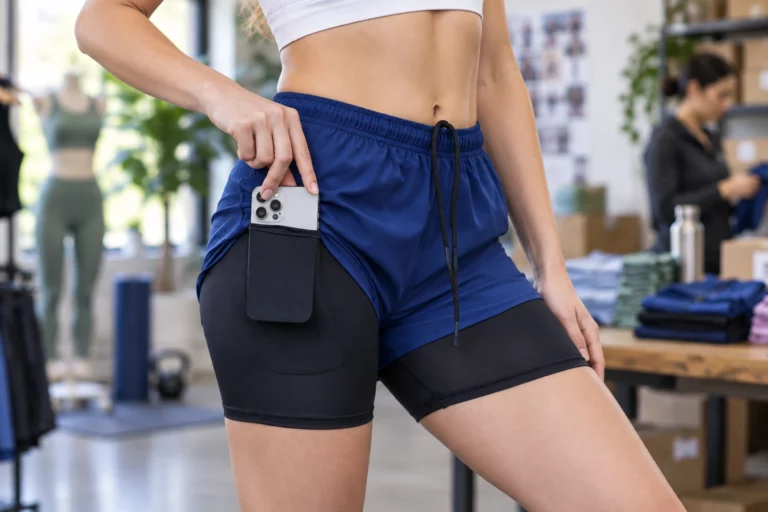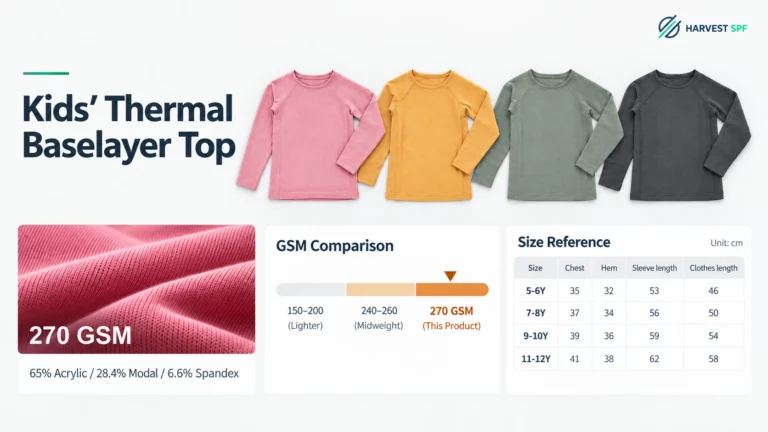

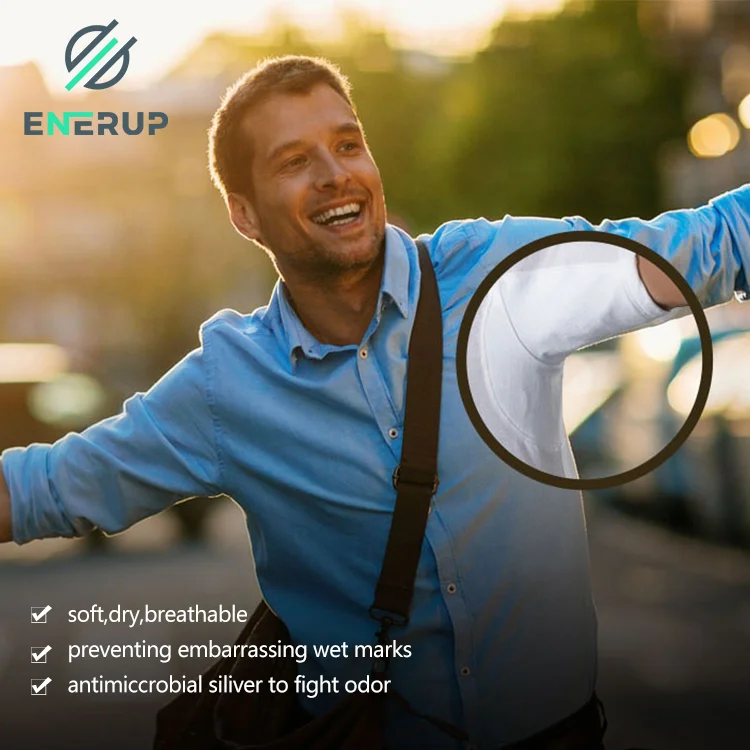
An anti-sweat shirt does not stop the body from sweating. Instead, it is designed to manage moisture, reduce visible sweat marks, improve airflow, and help the wearer stay dry and comfortable during daily wear or physical activity.
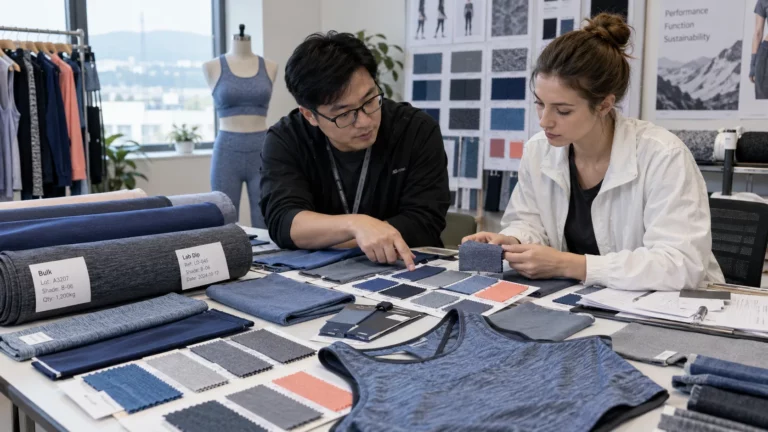
For apparel brands, retailers, and product developers, choosing the right fabric structure is essential to creating effective sweat-control shirts, sweatproof undershirts, base layers, and performance tops. The best solution depends not only on fiber content, but also on knit structure, fabric weight, garment construction, underarm panel design, fit, color performance, and wash durability.
Anti-Sweat vs. Sweatproof vs. Moisture-Wicking: What Is the Difference?
These terms are often used together, but they do not mean the same thing. Understanding the difference helps brands choose the right material strategy for each product.
- Anti-sweat shirts usually focus on moisture management, airflow, and quick drying to reduce wetness and discomfort.
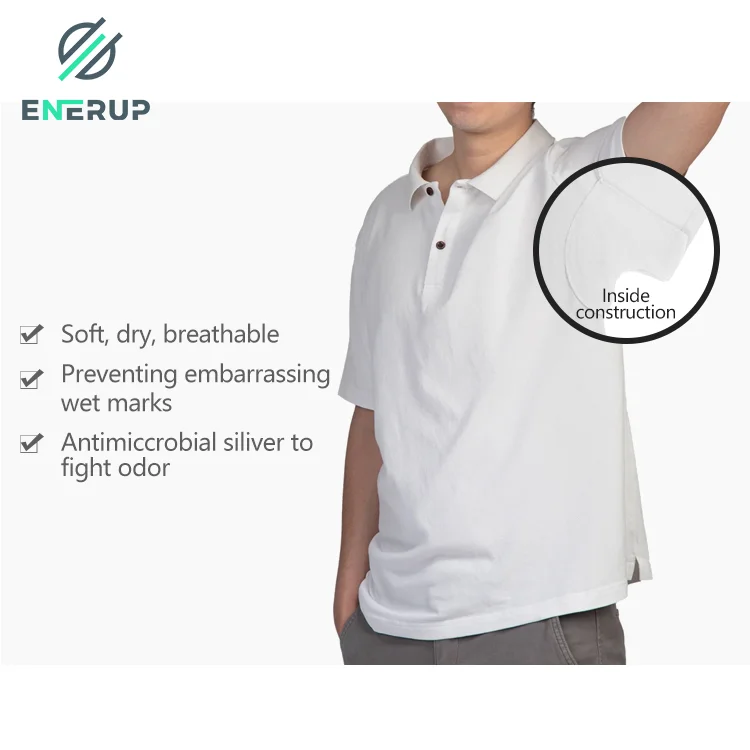
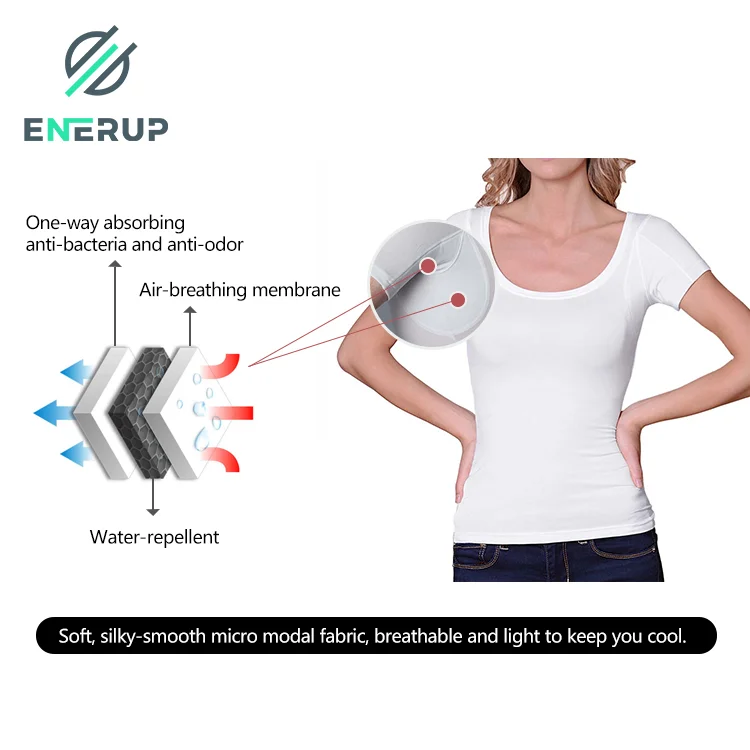
- Sweatproof undershirts are designed to help prevent visible sweat marks from reaching the outer shirt, often through underarm panels or multilayer construction.
- Moisture-wicking shirts move sweat away from the skin and spread it across the fabric surface to support faster evaporation.
For high-sweat applications, a single moisture-wicking fabric may not be enough. Brands may need a more targeted construction, especially in areas such as the underarms, back, or chest where sweat becomes visible first.
The Science Behind Moisture Control Clothing
Moisture-control clothing depends on several fabric and garment factors: breathability, absorption, wicking, evaporation speed, fabric weight, knit structure, drying speed, and garment construction.
Breathability refers to how air can pass through fabric and between layers. When a fabric allows good air circulation, heat and moisture can escape more freely. If a fabric is too dense, too heavy, or poorly constructed for the end use, it can trap warm air close to the skin and increase discomfort.
Absorption refers to how much moisture a fiber can take in and hold. Cotton and many natural fibers absorb moisture easily, but they may dry slowly. When the fabric stays wet, it can feel heavy, cling to the skin, and show visible sweat marks.
Wicking is not the same as absorption. A wicking fabric is designed to pull moisture away from the skin and spread it across the fabric surface so evaporation can happen more efficiently. This is why many anti-sweat shirts use engineered blends, technical knit structures, or moisture-control finishes rather than relying on a single fiber.
Evaporation speed is also important. A fabric may move moisture well, but if it dries too slowly, the wearer can still feel damp. The best sweat-control shirts balance moisture movement, airflow, comfort, and drying performance.
Natural Fibers: Breathability, Comfort, and Limitations
Natural fibers are known for softness, comfort, and a pleasant next-to-skin feel. They are commonly used in undershirts, base layers, loungewear, outdoor tops, and everyday apparel. However, not all natural fibers perform the same way when the wearer sweats heavily.
Merino Wool: Not Just for Winter
Merino wool is one of the most useful natural fibers for moisture management. It can absorb moisture vapor and help the skin feel more comfortable in changing temperatures. Products made from fine Merino wool are suitable for base layers, outdoor tops, socks, travel clothing, and lightweight performance apparel.
Merino wool is also naturally effective for odor management because it can absorb moisture vapor and help reduce odor buildup during extended wear. Fine Merino fibers are soft enough for next-to-skin garments, making them more suitable for lightweight base layers and travel apparel than traditional coarse wool.
For anti-sweat or moisture-control apparel, Merino wool works best when the goal is comfort, odor management, and temperature regulation rather than fast drying alone. It may also be blended with synthetic fibers to improve durability, recovery, and drying performance.
Linen: A Breathable Option for Summer Shirts
Linen fabrics often allow good airflow and can feel cool in hot weather, especially when used in relaxed, breathable summer garments. The open fabric structure can support airflow and help release heat, making linen suitable for casual hot-weather shirts and relaxed summer apparel.
However, linen has limited stretch and wrinkle resistance, so it is usually better for casual summer shirts than close-fitting performance or compression apparel. For sweat-control apparel, linen can be useful when breathability is the main goal, but it is not the ideal choice when the product requires high stretch, recovery, or a technical performance fit.
Cotton: Comfortable but Complicated
Cotton is soft, familiar, and comfortable in everyday apparel. It is often used in casual T-shirts, undershirts, loungewear, and basic shirts because consumers understand the feel and comfort of cotton.
The limitation is that cotton absorbs moisture and dries slowly. Once it becomes wet, it can feel heavy, cling to the skin, and leave visible sweat marks on the surface of the fabric. For people who perspire heavily, cotton on its own is usually less effective than engineered moisture-wicking blends or targeted sweatproof construction.
Cotton can still be used in sweat-control products, especially in blends or casual garments, but brands should test drying speed, wet appearance, shrinkage, and wash durability before bulk production.
Synthetic Fabrics: The Performance Workhorses
Synthetic fibers are widely used in performance apparel because they are durable, lightweight, quick-drying, and easier to engineer for stretch and shape retention. These characteristics make them suitable for activewear, gymwear, compression garments, base layers, and sports undershirts.
Polyester is one of the most common fibers in performance apparel because it is lightweight, durable, and quick drying when engineered correctly. Nylon is strong, smooth, and comfortable against the skin. Spandex provides stretch, recovery, and flexibility, helping close-to-body garments move with the wearer and return to shape after wear.
Polyester and Spandex: A Common Performance Blend
Polyester-spandex blends are widely used in sweat-control shirts, activewear, base layers, leggings, training tops, and close-to-body garments. Polyester is naturally hydrophobic, so it does not absorb much water. When engineered with the right yarn structure, knit design, or moisture-wicking finish, it can move sweat across the fabric surface and dry quickly.
Spandex adds stretch and recovery, helping close-to-body shirts fit comfortably without losing shape. This is especially important in areas such as the shoulders, chest, waist, and underarms, where the garment needs to move with the body while maintaining a secure fit.
Achieving the right balance is critical. Too much stretch can reduce fabric stability or affect breathability, while too little stretch can limit movement and comfort. Fabric weight, knit density, fiber ratio, and finishing all affect the final performance of an anti-sweat shirt.
Construction Factors That Affect Anti-Sweat Performance
Anti-sweat shirts are more than a fabric choice. Construction, fabric weight, panel design, fit, seam placement, color selection, and wash durability all influence how the garment performs in real use.
A lightweight fabric is often cooler, but it may show sweat marks more easily if the knit structure, color, or panel design is not optimized. A heavier fabric may hide moisture better, but it can also trap heat and feel uncomfortable during warm weather or physical activity. The ideal GSM should match the product purpose, season, and target user.
Knit structure also matters. Looser knits can improve airflow, while denser knits can provide smoother coverage and better opacity. For next-to-skin garments, seam placement is especially important. Underarm, shoulder, side, and back seams should be positioned to reduce friction and avoid irritation during movement.
Fit is another key factor. A shirt that is too tight can reduce airflow and make sweat marks more noticeable, while a shirt that is too loose may not manage moisture effectively in high-sweat areas. For functional anti-sweat apparel, the fit should be close enough to manage moisture but not so tight that it restricts comfort or movement.
For sweatproof undershirts, underarm panel construction is especially important. A multilayer underarm panel may combine an absorbent inner layer, a moisture-control middle layer, and a sweat-blocking outer barrier to help prevent visible sweat marks on outer clothing. This type of construction is different from a basic moisture-wicking shirt and should be tested carefully before bulk production.
Color and Visible Sweat Performance
Color affects how sweat appears on the outside of a garment. Dark colors often hide visible sweat marks better, while lighter colors can feel cooler in direct sun. However, certain colors such as gray, light blue, beige, and some pastel shades may show wet areas more clearly.
For product development, brands should test both dry and wet appearance across target colors. This is especially important for shirts, polos, undershirts, base layers, and uniforms where visible sweat marks can affect consumer confidence.
Innovation in Anti-Sweat Shirts
Anti-sweat shirts have moved beyond basic fiber selection. In many modern products, performance comes from the combination of fabric engineering, garment construction, targeted panels, and functional finishing.
Fabric-Level Solutions
- Moisture-wicking yarns and knit structures
- Quick-dry fabric finishes
- Odor-control fiber or finish options
- Stretch recovery blends
- Lightweight breathable base-layer fabrics
- Merino wool or Merino blend structures for odor and temperature regulation
Garment-Level Solutions
- Breathable underarm panels
- Sweatproof underarm inserts
- Multilayer sweat-blocking construction
- Seamless or low-friction designs
- Targeted moisture-control zones
- Fit engineering for close but comfortable contact
A well-developed anti-sweat shirt should manage moisture, reduce discomfort, maintain shape, wash well, and support the wearer’s confidence. For B2B product development, brands should define whether the product is intended for daily wear, office wear, uniforms, sports, travel, base layers, or heavy-sweat protection before choosing the fabric and construction.
Testing Considerations Before Bulk Production
Testing is essential because anti-sweat performance depends on real wearing conditions. Brands should not evaluate the product only by fiber content. They should also test the full garment construction.
- Moisture-wicking performance
- Drying speed
- Visible sweat performance on target colors
- Shrinkage after washing
- Colorfastness and wet appearance
- Odor-control performance, if claimed
- Seam comfort and friction points
- Stretch and recovery
- Wash durability of panels and finishes
- Underarm panel durability for sweatproof undershirts
How Harvest SPF Supports Anti-Sweat and Moisture-Control Apparel Development
Harvest SPF products fall into categories of sweatproof undershirts, Merino wool baselayers, thermal underwear, activewear, gymwear, yoga wear, seamless sportswear, compression garments, socks, and functional daily wear products. Harvest SPF’s work in fabric engineering is especially relevant because different products require different levels of moisture control, breathability, stretch, odor management, and sweat visibility protection.
For apparel companies developing anti-sweat shirts, sweatproof undershirts, base layers, sportswear, or moisture-control garments, Harvest SPF can support material selection, underarm panel development, sampling, customization, and full-package ODM/OEM production. Development can include fabric recommendation, panel structure, fit adjustment, wash testing, color evaluation, logo application, and production planning.
FAQ
Can anti-sweat shirts stop sweating completely?
No. Anti-sweat shirts do not prevent the body from sweating. They manage sweat through fabric, structure, and garment design to improve comfort, reduce wetness, speed up drying, and help minimize visible sweat marks.
What fabric is best for heavy sweating?
There is no single best fabric for every use case. Polyester-spandex blends can be effective for exercise and fast drying. Merino wool blends can support odor control and temperature regulation. Sweatproof undershirts may need multilayer underarm panels to help block visible sweat marks. Cotton is comfortable, but it usually stays wet longer when used alone.
What is the difference between moisture-wicking and sweatproof?
Moisture-wicking fabrics move sweat away from the skin and spread it across the fabric surface to support evaporation. Sweatproof construction is designed to help block sweat from reaching the outer layer, often through targeted panels or multilayer underarm protection.
Can cotton be used for anti-sweat shirts?
Yes, but cotton alone is usually not ideal for heavy sweating because it absorbs moisture and dries slowly. Cotton may work better in blends, casual sweat-control products, or garments where softness is more important than quick drying.
Can Harvest SPF develop custom sweatproof undershirts?
Yes. Harvest SPF can support fabric selection, underarm panel design, sampling, fit adjustment, customization, and ODM/OEM production for sweatproof undershirts, anti-sweat shirts, base layers, and moisture-control apparel.
What should brands test before bulk production?
Brands should test wicking, drying speed, visible sweat performance, colorfastness, shrinkage, odor-control performance if claimed, seam comfort, stretch recovery, wash durability, and underarm panel performance before bulk production.
Partner with Harvest SPF for Custom Anti-Sweat Apparel Solutions
Harvest SPF is a functional apparel manufacturer and supplier established in 1993, focusing on healthy and performance-oriented textiles, ODM vertical production, and international trading. Its product range includes sweatproof undershirts, Merino wool baselayers, thermal underwear, activewear, gymwear, yoga wear, seamless sportswear, compression garments, socks, and functional daily essentials.
For apparel companies developing anti-sweat shirts, sweatproof undershirts, base layers, sportswear, or moisture-control garments, Harvest SPF can support material selection, sampling, underarm panel development, customization, and full-package production based on functional textile experience.
Contact Harvest SPF to discuss fabric options, sweat-control construction, MOQ, sampling, and custom ODM/OEM apparel solutions.