
Manufacturing high-quality Merino wool socks requires more than choosing a premium fiber. A good sock must feel soft against the skin, help keep the feet warm in cold conditions and comfortable in warmer conditions, manage moisture, reduce odor buildup, maintain fit, and withstand repeated washing and abrasion.
For outdoor sock brands, ski sock buyers, hunting and fishing brands, private-label apparel companies, and retail programs, sock performance depends on the full production process: fiber sourcing, yarn preparation, blending, knitting structure, cushioning design, dyeing, finishing, inspection, packaging, and delivery planning.
One of the biggest mistakes in developing Merino wool socks is relying only on premium fiber while ignoring construction. A soft yarn can still perform poorly if the knitting tension, reinforcement zones, cuff recovery, heel shape, toe seam, or wash stability are not engineered correctly. Many sock designs work for casual wear but may be too thick, bulky, or unstable for hiking boots, ski boots, hunting footwear, or long outdoor use.
 What Makes Merino Wool Different from Regular Wool?
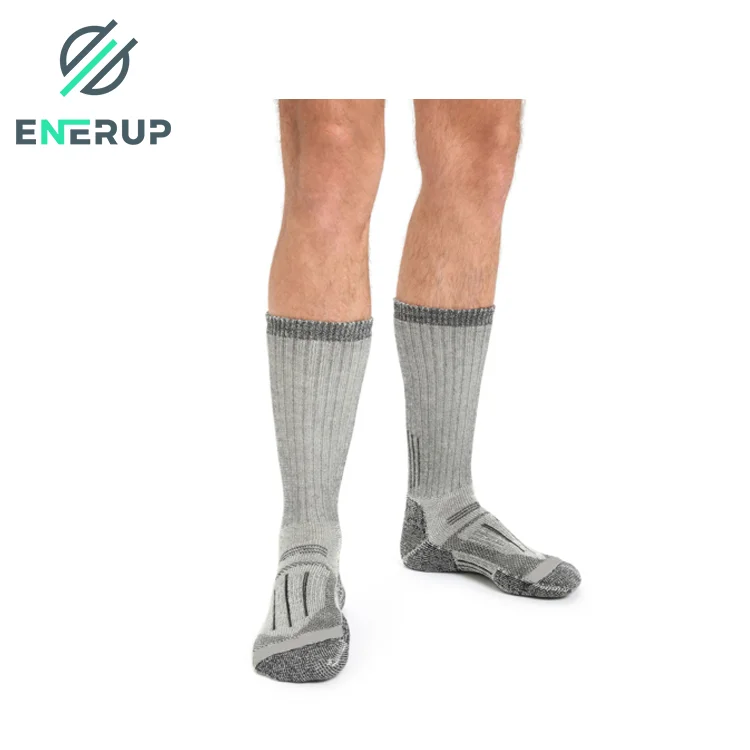
Merino wool is finer and softer than many traditional wool fibers, making it more suitable for next-to-skin products such as socks, base layers, thermal underwear, and accessories. Its fine fiber structure helps reduce the scratchy feeling often associated with coarser wool.
The primary value of Merino wool in socks is its ability to help manage the microclimate around the foot. Inside footwear, socks must deal with heat, perspiration, pressure, friction, and limited airflow. Merino wool can absorb moisture vapor, support temperature regulation, and help reduce clamminess, making it useful for outdoor socks, ski socks, hiking socks, travel socks, and everyday performance socks.
Merino wool is also valued for odor management during extended wear. This is especially important for multi-day outdoor activities, hunting and fishing trips, travel, winter sports, and workwear where socks may be worn for long periods before washing.
Ethical Merino Wool Sourcing and Fiber Selection
Responsible Merino wool sock production starts with traceable wool sourcing. Brands and manufacturers should work with suppliers that can provide documentation related to animal welfare, farm practices, fiber origin, and chain of custody where required.
For global apparel buyers, traceable sourcing is also important for compliance, retailer acceptance, and consumer trust. A professional Merino wool sock supplier should be able to explain where the wool comes from, how fibers are selected, and how material claims are supported during production.
Depending on the project requirements, brands may request documentation such as Responsible Wool Standard (RWS) information, OEKO-TEX certification, wool origin documents, supplier declarations, or other relevant material records. Not every project requires the same documentation, but sourcing transparency is increasingly important for premium sock programs.
Not all Merino fibers are suited to the same sock category. Fiber diameter, length, strength, crimp, cleanliness, and uniformity all affect the finished product. Finer Merino fibers can create a softer hand feel for next-to-skin comfort, while stronger or slightly heavier wool may be better for rugged outdoor socks that require more durability.
From Sheep to Yarn: How Merino Wool Becomes Performance Yarn
After sheep are sheared, the raw fleece must be cleaned, sorted, and prepared before spinning. Raw fleece naturally contains wool grease, dirt, vegetable matter, short fibers, and uneven fiber lengths. These impurities must be removed through cleaning and preparation to protect the fiber and improve yarn quality.
Fiber preparation and alignment are critical. If fibers are not well prepared, the resulting yarn may become weak, uneven, prone to pilling, or difficult to knit consistently. Poor fiber preparation can also cause unstable knitting tension and production rejects.
Spinning turns prepared wool fibers into yarn with controlled thickness, twist, strength, and stability. For socks, yarn consistency is critical because uneven yarn can cause stitch variation, weak points, visible defects, sizing issues, and early product failure.
For performance socks, the yarn must also run smoothly on sock knitting machines to reduce breakage and production rejects. A stable yarn structure helps support elasticity, moisture management, softness, abrasion resistance, wash durability, and machine efficiency.
Why Merino Wool Is Often Blended with Nylon, Polyester, and Elastane
Merino wool provides softness, warmth, moisture management, and odor-control benefits, but socks also need strength, stretch, and abrasion resistance. That is why Merino wool is often blended with nylon, polyester, elastane, or spandex depending on the sock’s intended use.
Nylon is often used in heel, toe, and high-abrasion areas to improve durability. Polyester may be used to support drying speed, strength, and shape stability. Elastane or spandex provides stretch and recovery so the sock stays in place during wear.
The fiber ratio should change by sock category. Winter ski socks may use a higher Merino wool content for warmth and comfort, while hiking socks, hunting socks, fishing socks, and everyday crew socks may use a more balanced blend for durability, fit, and wash stability.
Blending fibers is not simply a way to reduce cost. It is a technical decision that helps combine the natural benefits of Merino wool with the durability, stretch, and long-term performance required in commercial sock production.
How Merino Wool Socks Are Designed for Comfort and Durability
The wearing scenario should guide the sock design. Merino wool ski socks, hunting socks, fishing socks, hiking socks, crew socks, and business socks all require different structures. Important design factors include sock height, cuff tension, arch support, sole thickness, toe construction, heel shape, ventilation zones, cushioning, and overall stretch recovery.
Cushioning under the foot improves comfort during trekking, skiing, standing, or long walks. Reinforced heel and toe areas help extend sock life. Elastic arch bands help the sock fit securely inside the shoe and reduce slipping. Ventilation zones allow heat and moisture to escape, while a seamless toe helps reduce friction during extended wear.
For brands, the goal is to match sock construction with the end use. A thick cushioned sock may work well for ski boots but feel bulky in casual shoes. A thin business sock may feel refined and smooth but may not provide enough cushioning for hiking or hunting.
Merino Wool Sock Development Guide
| Sock Type | Key Design Focus | Typical Features |
| Ski socks | Warmth, over-calf stability, boot comfort | Over-calf height, shin cushioning, secure cuff, thermal structure |
| Hiking socks | Durability, moisture management, cushioning | Reinforced heel and toe, arch support, ventilation zones, balanced cushioning |
| Hunting / fishing socks | Warmth, long-wear comfort, odor management | Merino-rich blend, cushioning, thermal knit, durable construction |
| Crew socks | Daily comfort, durability, easy care | Medium cushioning, balanced blend, elastic arch, stable cuff recovery |
| Business socks | Thin profile, smooth finish, refined comfort | Fine-gauge knit, light cushioning, smooth toe, polished appearance |
Knitting Techniques Used by Leading Manufacturers
Knitting creates the body of the sock from the yarn. Modern sock knitting machines allow manufacturers to control stitch density, cushioning zones, mesh panels, arch support, ribbed cuffs, heel shape, and overall elasticity. These settings determine whether a sock feels soft, stays in place, breathes well, and resists wear.
Knitting tension must be carefully controlled for Merino wool socks. Very loose knitting can feel soft but may wear out quickly. Very tight knitting can improve durability but may reduce softness and breathability. The right structure depends on the sock’s intended use, footwear type, and target customer.
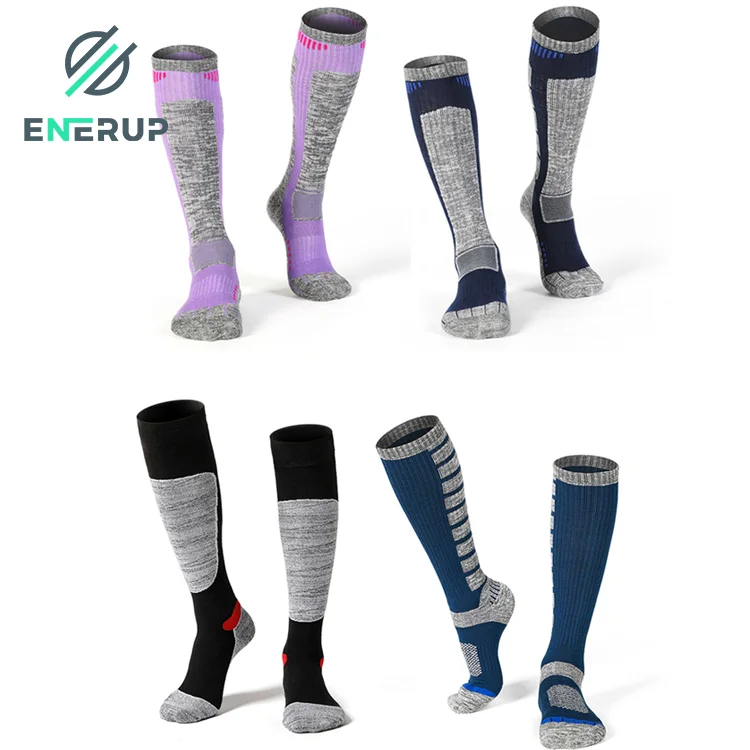
Ski socks need over-calf stability, impact cushioning, and a secure cuff that stays in place inside ski boots. Crew socks need to balance comfort and flexibility for year-round wear. Outdoor socks may need added durability, warmth, and abrasion resistance. Business socks usually need a thinner profile, smooth finish, and refined appearance.
Dyeing, Finishing, and Color Control
After knitting, Merino wool socks may go through dyeing, washing, shaping on a sock former, boarding, and finishing. These processes help stabilize the sock shape, improve appearance, support size consistency, and prepare the product for inspection and packaging.
Wool dyeing requires careful control to avoid fiber damage. Excessive heat, harsh chemicals, or poor processing can affect softness, elasticity, color consistency, and shape retention. The finishing process can also influence surface texture, hand feel, and post-wash appearance.
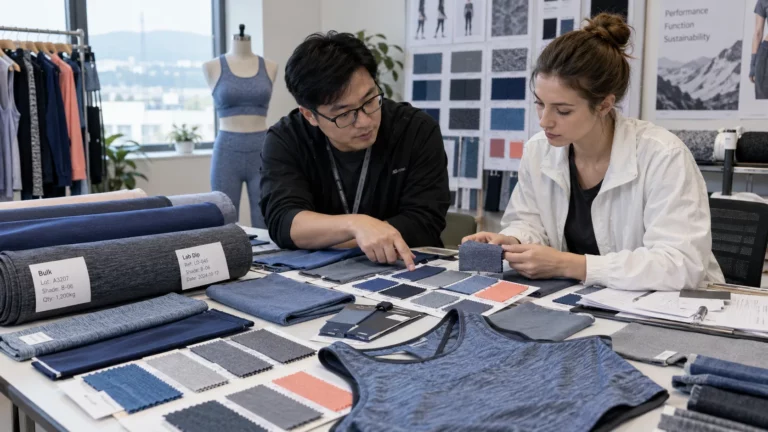
For repeat orders, color consistency is critical. A professional supplier should control lab dips, bulk shade approval, final shade matching, colorfastness to washing, shrinkage, and post-wash appearance. Retailers and distributors often require consistent color across production batches, especially for core sock programs.
Final Inspection, Packaging, and Delivery
Final inspection should include appearance, size, stretch, seam quality, toe linking, color consistency, defects, labels, and packaging. For Merino wool socks, additional checks should include shrinkage, pilling, abrasion resistance, cuff recovery, wash durability, and post-wash shape retention.
Finished socks are paired, pressed, labeled, packaged, and cartonized for shipment. Packaging should protect the socks during transportation while also supporting retail presentation, barcode requirements, brand identity, and customer experience.
Before shipment, finished socks should pass internal inspection or third-party inspection when required. Only approved goods should move to packing and delivery.
FAQ
Are Merino wool socks suitable for both winter and summer?
Yes. Merino wool can help regulate temperature and manage moisture. Heavy cushioned socks are better for winter, skiing, hunting, and cold-weather outdoor use, while lightweight crew socks or business socks are better for warmer conditions or daily wear.
Why are Merino wool socks blended with nylon or elastane?
Merino wool provides softness, comfort, moisture management, and odor-control benefits. Nylon improves abrasion resistance, while elastane or spandex provides stretch and recovery so the sock stays in place during wear.
What types of Merino wool socks can Harvest SPF produce?
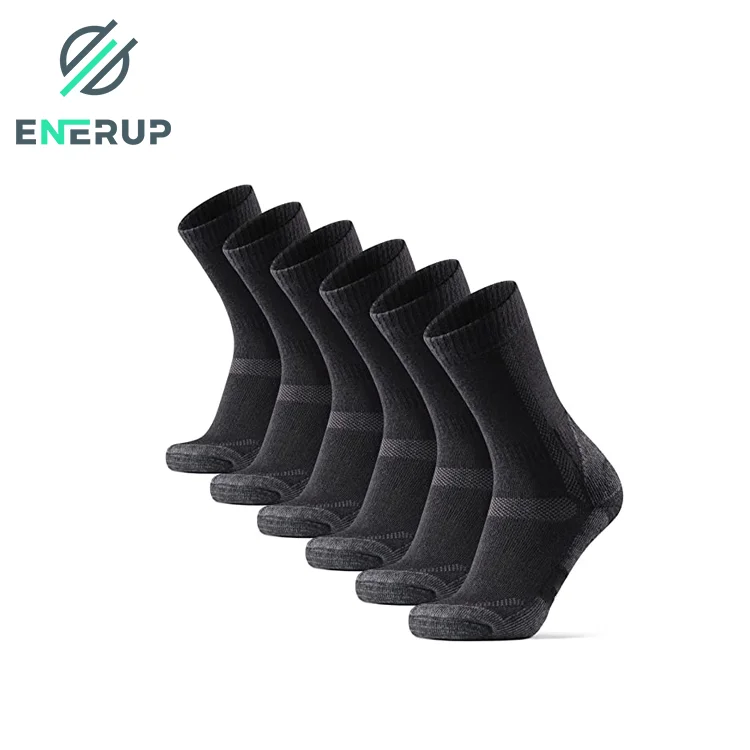
Harvest SPF develops Merino wool socks for long ski socks, fishing and hunting socks, hiking socks, crew socks, business socks, outdoor thermal socks, and functional specialty sock programs.
Can Merino wool socks be customized for private-label brands?
Yes. Customization can include yarn blend, sock height, cushioning level, cuff tension, color, logo, packaging, size range, and performance features. The right specification depends on the brand’s target market, footwear scenario, and price point.
What should brands test before bulk production?
Brands should test shrinkage, pilling, abrasion resistance, wash durability, cuff recovery, colorfastness, size consistency, toe seam comfort, packaging accuracy, and post-wash shape retention before bulk production.
Partner with Harvest SPF for Custom Merino Wool Socks
Harvest SPF supports OEM/ODM Merino wool sock development for outdoor, ski, hunting, fishing, crew, business, and functional specialty sock programs. Our team can help with yarn blend selection, sock structure development, sample approval, sizing, packaging, quality control, and production planning.
For commercial sock brands, retailers, outdoor apparel companies, and private-label buyers, Harvest SPF can support product development based on intended use, material options, cushioning level, cuff structure, logo requirements, packaging format, MOQ, sample development, and production schedules.
Contact Harvest SPF to discuss product requirements, material options, MOQ, sample development, packaging solutions, and production planning for your next Merino wool sock program.