
Sweatpants have moved from simple lounge clothing to a core product category in casualwear, athleisure, fitness, travel, and everyday essentials. For activewear, athleisure, and lifestyle brands, sweatpants are a flexible core product because they can be developed as loungewear, joggers, travel pants, thermal bottoms, or functional training pants depending on fabric, fit, and construction.
For apparel brands, successful sweatpants manufacturing depends on fabric selection, pattern accuracy, waistband construction, stitching quality, finishing control, and consistent bulk production. A good pair of sweatpants should feel comfortable, keep its shape after washing, support movement, and match the intended retail positioning.
Poor fabric choice can lead to pilling, shrinkage, weak recovery, or an unbalanced drape. Poor construction can cause twisted seams, loose cuffs, waistband deformation, inaccurate pocket placement, and inconsistent sizing. For private-label buyers, the key is to align product purpose, material direction, fit, quality standards, and production planning before bulk manufacturing begins.
Define the Purpose of Sweatpants
The first step in sweatpants development is to define the intended use of the garment. Loungewear sweatpants do not need the same fabric, fit, and construction as training sweatpants, travel joggers, winter thermal bottoms, or fashion-driven department store products.
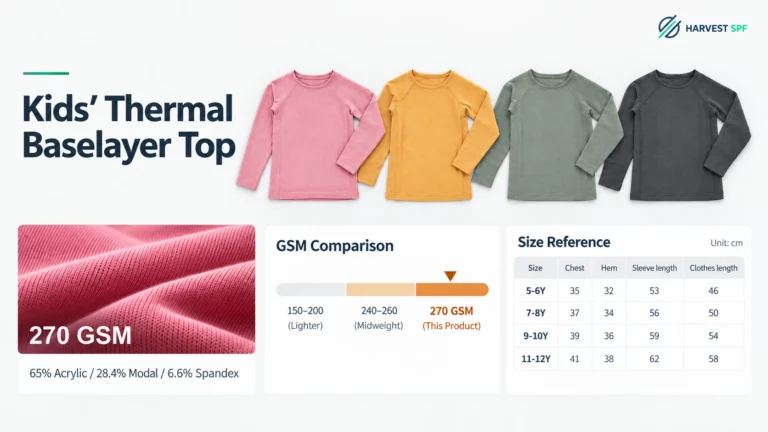
Loungewear focuses on softness, warmth, and skin comfort. Athleisure sweatpants should balance comfort, stretch, moisture management, shape recovery, and a cleaner silhouette. Performance sweatpants should focus on quick drying, lighter weight, elastic recovery, and strong seams. Winter thermal sweatpants may require brushed fleece, heavier fabrics, or thermal structures for warmth.
The purpose of the garment will generally guide almost every design decision, from fabric weight and leg shape to rise, waistband type, cuff construction, pocket design, branding method, and packaging. Defining the purpose before development helps reduce unnecessary sampling, avoid cost waste, and prevent production delays.
Sweatpants Type and Development Focus
| Sweatpants Type | Main Purpose | Fabric Direction | Key Development Focus |
| Loungewear sweatpants | Daily comfort and home wear | Cotton fleece, French terry, cotton-rich blends | Softness, warmth, relaxed fit |
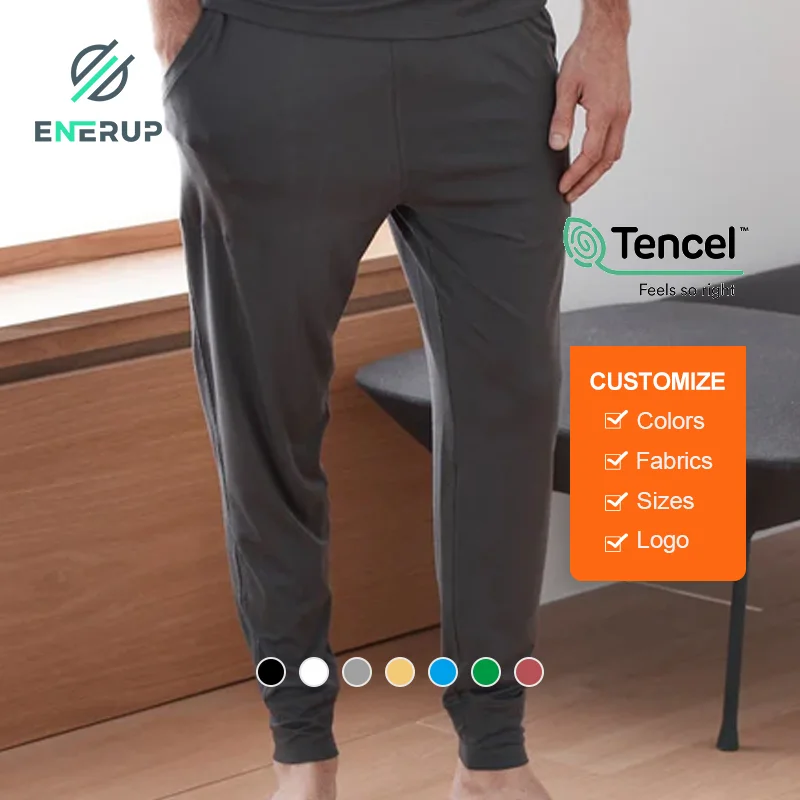
| Athleisure joggers | Gym-to-street styling | Cotton/poly blends, TENCEL™ blends, stretch knits | Drape, recovery, clean silhouette |
| Performance sweatpants | Training and active movement | Polyester/spandex, functional knit, quick-dry blends | Stretch, moisture management, seam strength |
| Thermal sweatpants | Cold-weather layering | Brushed fleece, thermal knit, merino blends | Warmth, insulation, moisture movement |
Choose the Right Sweatpants Fabric
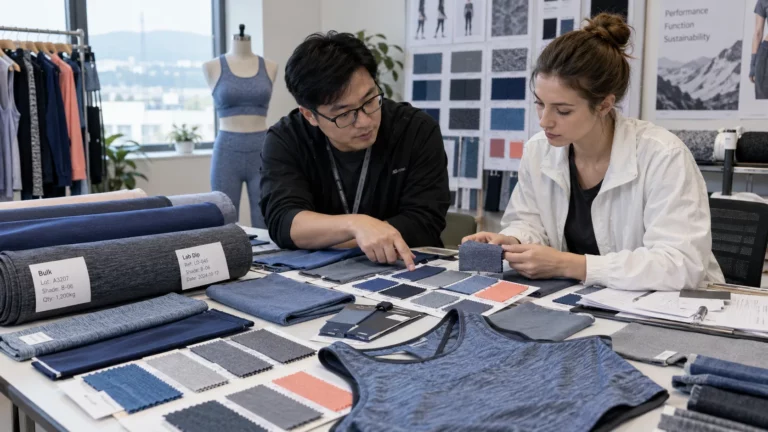
When it comes to manufacturing sweatpants, fabric selection is one of the most important decisions. The fabric affects the garment’s hand feel, drape, warmth, durability, recovery, wash performance, and perceived retail value.
Common sweatpants fabrics include cotton fleece, cotton-polyester blends, recycled polyester blends, fleece knit, French terry, polyester-spandex blends, TENCEL™/lyocell blends, and functional knit fabrics. Each fabric direction serves a different market position.
Cotton-rich fabrics are soft and familiar, making them suitable for loungewear and everyday casual sweatpants. French terry is lighter and more breathable, making it useful for spring, fall, and athleisure programs. Brushed fleece is warmer and fuller, making it suitable for winter, premium loungewear, and cozy casual collections.
Polyester blends can improve shape retention, drying speed, durability, and wash performance. They may also work well for heat-transfer branding, performance-focused sweatpants, or certain printing methods depending on the fabric structure. Elastane or spandex provides stretch and recovery, which is important for athleisure joggers and performance sweatpants. TENCEL™ or lyocell blends can create a softer drape and more premium hand feel, while recycled polyester blends can support sustainability positioning.
Decide the Sweatpants Fit and Pattern
Fit defines how sweatpants look and feel on the body. A loose fit creates a relaxed lounge style, while a tapered fit gives a cleaner athleisure look. Straight-leg sweatpants support everyday wear, while jogger-style sweatpants use elastic cuffs for a sportier profile.
For U.S. athleisure brands, tapered joggers and relaxed straight-leg sweatpants are two common commercial directions, but the right fit depends on the target customer, retail price, and fabric behavior. Other fit directions may include relaxed sweatpants, classic straight-leg sweatpants, slim-fit joggers, oversized lounge sweatpants, and performance training pants.
Pattern development must consider waist width, hip room, rise depth, thigh width, knee shape, leg opening, inseam length, and overall balance. If the rise is too short, movement comfort can be affected. If the leg shape is not balanced, the side seams may twist or the knee area may look distorted.
A professional sweatpants manufacturer should check the pattern together with the fabric behavior. Heavy fleece needs enough structure to avoid bulk. Lightweight knit fabric needs proper recovery to prevent sagging. Stretch fabrics require careful grading so that every size keeps the same fit logic.
Design Waistbands, Cuffs, and Pockets
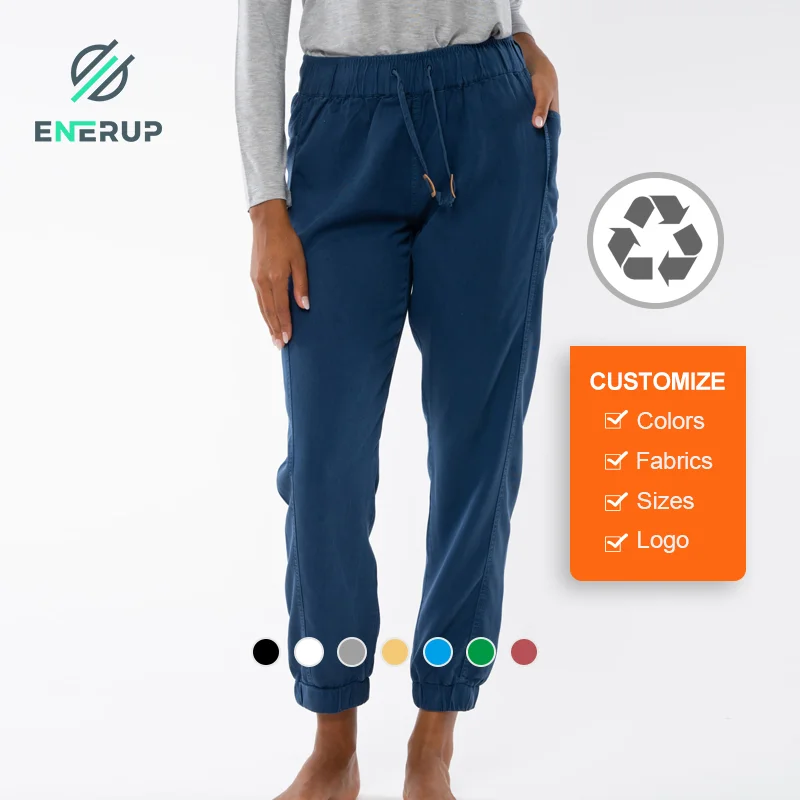
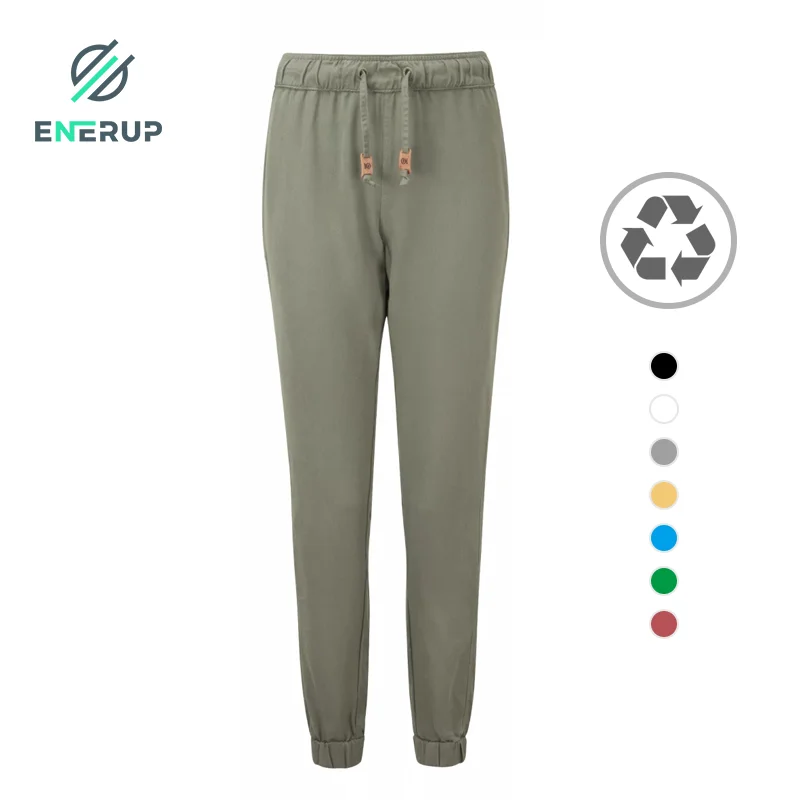
Waistband construction has a direct effect on comfort, fit, and durability. Common options include elastic waistbands, drawstring waistbands, rib waistbands, or covered elastic waistbands. The waistband must hold the garment securely without creating excessive pressure.
For private-label development, waistband elastic width, drawcord quality, pocket bag fabric, and cuff recovery should be confirmed during sampling because these details strongly affect perceived quality. Drawstrings can be internal or external, and details such as metal eyelets, embroidered eyelets, cord tips, bar tacks, and stitching should be selected based on the target market and washing requirements.
Cuffs also affect the final appearance. Open-bottom sweatpants feel more relaxed, while rib cuffs or elastic cuffs create a jogger style. Cuffs must have enough recovery to keep shape after repeated wear and washing.
Pockets are another important construction point. Side pockets, zipper pockets, back pockets, and hidden pockets all require accurate placement and reinforcement. Poor pocket construction may create bulging, uneven seams, weak stress points, or a lower-quality appearance.
 Add Functional Details and Branding
Sweatpants can be positioned as basic essentials, athleisure products, or functional apparel. Functional details such as quick-dry fabrics, sweat-control fabrics, odor-management finishes, breathable panels, stretch zones, reinforced seams, thermal fleece structures, and secure pockets can be included depending on the product’s end use.
Branding details should be selected carefully. Common methods include embroidery, heat transfer, woven labels, silicone printed labels, printed logos, and custom hangtags. The logo method must be suitable for the fabric surface, stretch level, garment wash process, target price, and expected durability.
Heavy embroidery on lightweight fabrics can cause distortion. Heat-transfer logos applied to the wrong fabric can crack, peel, or lose elasticity after washing. For stretch sweatpants, heat-transfer logos should be tested for wash durability and stretch performance before bulk production.
Create Samples Before Bulk Production
Sampling turns a design concept into a physical product that can be reviewed, fitted, tested, and refined before bulk production. During sampling, brands should check fabric hand feel, fit, pattern balance, sewing quality, waistband comfort, cuff recovery, pocket placement, logo application, and overall appearance.
A prototype sample can be used to test the first design concept. A fit sample is used to check body shape, movement comfort, measurement accuracy, and pattern balance. A size set sample helps confirm grading across sizes. A pre-production sample is used to confirm the final approved production standard, including fabric, trims, measurements, stitching, logo application, labels, packaging, and workmanship.
Wash testing should be carried out on sweatpants samples whenever possible. Testing should include shrinkage, twisting, color change, pilling, waistband deformation, cuff recovery, and post-wash appearance. A garment that looks good before washing may still be unsuitable for retail if it shrinks, loses shape, pills heavily, or twists after washing.
Start Bulk Sweatpants Production
After sample approval, bulk production usually includes fabric preparation, cutting, sewing, finishing, inspection, packing, and shipping. Production should follow the approved pre-production sample and confirmed technical specifications.
Accurate cutting is important because sweatpants are a balanced garment with two legs of identical shape and size. Any movement of fabric layers during cutting can result in unequal lengths, twisted seams, incorrect size, or poor garment balance.
Sewing must be controlled across the waistband, side seams, inseam, crotch seam, pockets, cuffs, and hems. Stress areas need stronger stitching because sweatpants are often used for sitting, stretching, walking, lounging, and active movement.
Finishing may include pressing, brushing, washing, thread trimming, final shaping, and measurement checking. Every step affects the garment’s final appearance, hand feel, and quality consistency.
Control Quality During Manufacturing
Quality control for sweatpants production should not happen only at the end of production. A reliable sweatpants manufacturer should control materials, cutting, sewing, measurements, fabric defects, color, trims, labels, and packaging throughout the production process.
Important sweatpants quality checks include fabric weight, hand feel, color matching, shrinkage after wash, pilling resistance, seam strength, waistband tension, drawcord security, pocket symmetry, cuff recovery, leg twisting, measurement tolerance, logo placement, and packaging accuracy.
For bulk orders, the approved pre-production sample should be used as the production standard for fit, color, construction, trim placement, branding, and workmanship. Production garments should be compared against the approved sample to identify issues before shipment.
Plan Packaging and Shipment
Packaging can serve two purposes: protecting the product and presenting it properly for the sales channel. Packaging for sweatpants may include polybags, paper bags, hangtags, size stickers, barcode labels, carton labels, and eco-friendly packaging options.
Packaging should match the sales channel. Retail programs may require hangtags, barcode labels, size stickers, and shelf-ready presentation. E-commerce orders may require individual polybags or paper bags, clean folding, and protective packaging. Wholesale orders require accurate carton labels, packing lists, and size-ratio control.
Finished goods should pass final inspection before shipment. Approved products are folded, packed, placed in cartons, and prepared for dispatch. Clear packaging and shipping details help prevent disputes, returns, and warehouse receiving problems.
FAQ
What fabric is best for sweatpants?
The best fabric depends on the intended use. French terry is suitable for lightweight athleisure and transitional seasons. Brushed fleece is better for warmth and loungewear. Polyester/spandex blends can work for performance sweatpants. TENCEL™ or lyocell blends can create soft drape and a premium hand feel. Recycled blends can support sustainability positioning.
What is the difference between sweatpants and joggers?
Sweatpants are often designed with a relaxed shape and may have open hems or cuffs. Joggers usually have a more tapered leg, elastic cuffs, and a sportier profile. When manufacturing joggers, there is more focus on leg shape, cuff recovery, and fit balance.
Can sweatpants be made with sustainable fabrics?
Yes. Sweatpants can be developed with recycled polyester, organic cotton blends, TENCEL™/lyocell blends, recycled cotton blends, or other sustainable material options depending on the product’s performance requirements, price target, and certification needs.
What quality problems are common in sweatpants production?
Common issues include shrinkage, pilling, color change, loose waistband elastic, twisted side seams, crooked cuffs, weak pocket seams, inaccurate measurements, poor cuff recovery, logo damage, and loss of garment shape after washing.
What should brands check before bulk production?
Brands should confirm the fit sample, size set, wash shrinkage, pilling, waistband recovery, cuff recovery, pocket placement, seam strength, logo durability, color approval, measurement tolerance, packaging method, and approved pre-production sample before bulk production.
Can Harvest SPF develop private-label sweatpants?
Yes. Harvest SPF can support private-label sweatpants development, including fabric selection, pattern development, sampling, fit adjustment, waistband and cuff construction, logo application, packaging, quality control, and ODM/OEM production planning.
Work With a Sweatpants Manufacturer for Custom Apparel Programs
Harvest SPF is a sweatpants manufacturer, supplier, and ODM/OEM production partner for activewear, athleisure, loungewear, and functional apparel brands. Harvest SPF supports the development of custom sweatpants from concept to finished product, including fabric selection, pattern making, sample development, fit correction, waistband and cuff construction, logo application, packaging, quality control, and shipping coordination.
Contact Harvest SPF to discuss sweatpants fabric options, fit development, sampling, waistband and cuff construction, logo application, packaging, quality control, MOQ, and production planning for your next sweatpants or joggers program.