
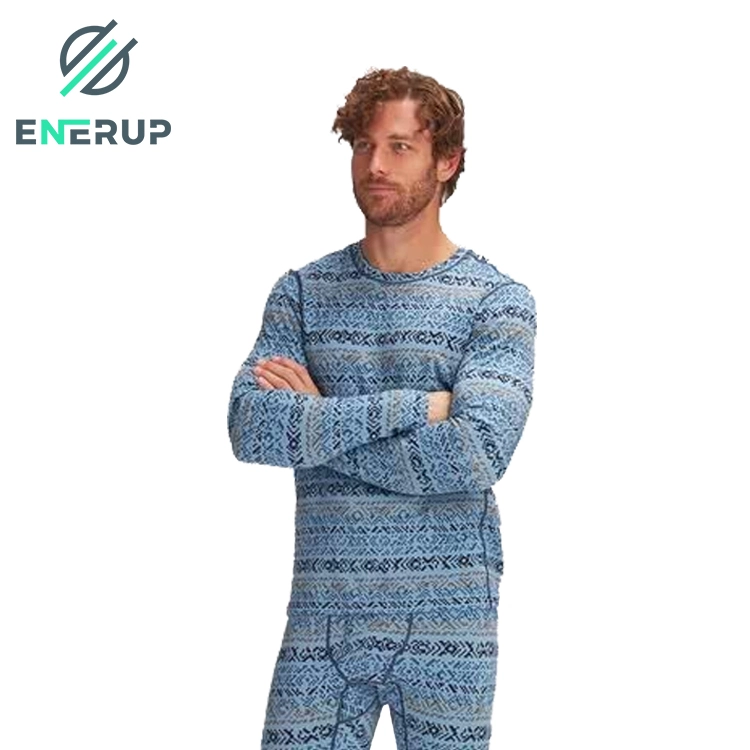
An approved sample has commercial value only when bulk production can reproduce its measurable performance. In merino base layer sourcing, bulk fabric may still shrink, pill, twist, drift in shade or move outside the approved GSM. The procurement objective is therefore “sample translated into a controlled bulk specification.” For programs requiring functional-textile R&D and OEM/ODM execution, Harvest SPF states that it has operated since 1993, works across fiber and fabric development and vertical production, and has accumulated more than 30 patents.
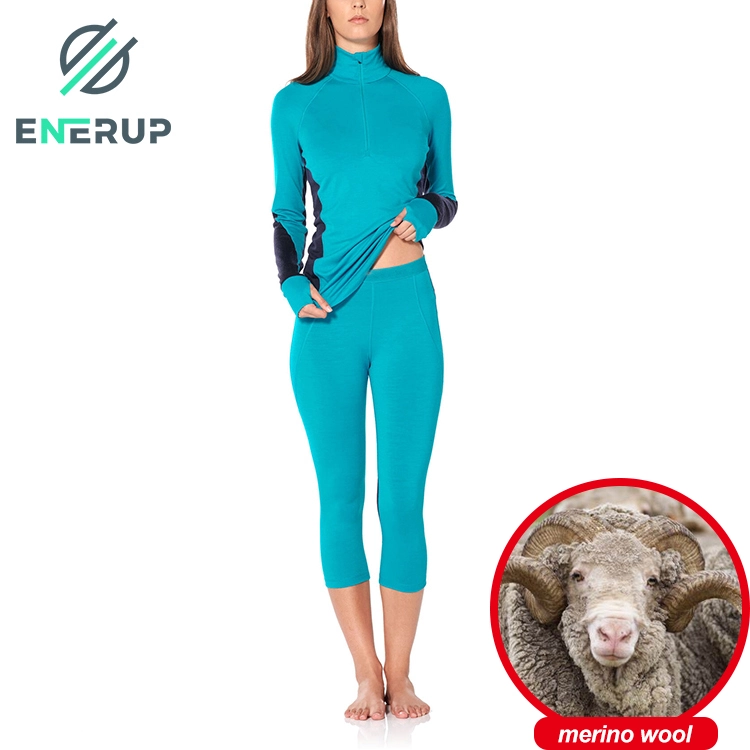
Why Approved Merino Samples Still Fail in Bulk
A Sample Is a Reference, Not a Complete Specification
A development sample represents one lot and one process condition. Bulk production adds yarn-lot, knitting, dyeing, relaxation and finishing variation. A professional merino wool manufacturer therefore needs measurable specifications linked to the approved sample.
The sealed standard should capture composition, construction, GSM, dimensional stability, pilling, spirality, color, measurements and care method, plus test methods and sampling rules.
Freeze the Golden Sample and Its Data
The confirmation sample should be paired with approved swatches, lab dips and test reports. For an OEM merino base layer program, bulk fabric should match both the visual standard and numerical limits.
Control Merino Fiber Quality Before Knitting
Fiber Diameter (Micron)
Merino fiber diameter influences next-to-skin softness and comfort. For premium base-layer programs, the approved specification should identify the target micron range and require bulk material to remain consistent with the approved fiber standard.
Fiber Length, Yarn Quality, and Composition
Fiber length, yarn evenness, twist, and spinning quality can influence knitting stability, surface appearance, durability, and pilling behavior. For 100% Merino and Merino-blend programs, bulk fiber composition should also match the approved specification and product labeling claim.
Set Shrinkage Limits Before Bulk Cutting
Why Merino Requires Special Dimensional Control
Merino knitted fabrics can change dimension through yarn structure, knit density, wool-fiber behavior, relaxation, finishing, washing conditions, and drying method. Bulk control should therefore address both laboratory shrinkage results and production variables that affect fabric stability before cutting.
Use a Defined Wash-and-Dry Method
ISO 5077 defines dimensional-change measurement after specified washing and drying, while ISO 6330 defines controlled domestic laundering procedures. AATCC TM135 covers fabrics and TM150 covers garments. Because laundering parameters affect results, the purchase specification should identify wash temperature, cycle, detergent, drying method and number of cycles.
Convert Shrinkage Into a Contractual Tolerance
Published knit guidance commonly uses about 5% as an outer dimensional-change reference, but this is not a universal merino limit. Fitted base layers may require tighter limits because small shifts affect fit.
A stronger purchase order separates length and width limits, states whether growth is allowed, and requires testing before cutting. Tolerances should reflect validated production capability around the confirmed sample.
Control Fabric Relaxation Before Cutting
Merino knitted fabrics should be conditioned and relaxed according to the approved production procedure before bulk cutting. Cutting before sufficient relaxation can contribute to garment measurement variation and post-production dimensional change. The agreed relaxation condition should be documented as part of the bulk control process.
Control Pilling as a Performance Property
Specify Method and Cycle Count
ISO 12945-2 measures pilling, fuzzing and matting with a modified Martindale method. Grade 5 represents no change; lower grades indicate greater surface deterioration.
Set the Pass Grade at the Required Endpoint
A buyer specification should state both cycle count and minimum grade. Published apparel guidance often uses Grade 3–4 or higher at the final specified interval, with stricter programs targeting Grade 4.
Yarn characteristics, knit density and finishing can alter pilling even when fiber content is unchanged. Apparel quality control should therefore compare bulk performance with the approved material.
Pilling performance should also be balanced against hand feel and next-to-skin comfort. Finishing selected only to improve surface appearance can change softness, moisture behavior, or long-term wear characteristics, so the approved standard should reflect the intended performance and comfort profile of the base layer.
Define Spirality After Laundering
Measure Torque Under One Recognized Procedure
ISO 16322-2 measures spirality or torque after laundering and notes that different procedures are not always comparable. AATCC TM179 addresses skew change after home laundering.
Tie the Limit to Garment Appearance
Published knit references commonly cite about 4–5% as a practical upper range for spirality, but the purchasing limit should be validated against style geometry and seam visibility.
A merino clothing manufacturer supplying fitted tops should record post-wash side-seam displacement or fabric spirality using one agreed method from sample approval through final inspection.
Spirality is particularly visible in fitted Merino base layers because long side seams and close-to-body silhouettes can make even moderate post-wash torque visually noticeable.
Stop Color Variation Before Cutting
Combine Instrumental Measurement With Shade-Band Approval
ISO 105-J03 calculates color difference between textile specimens measured under the same conditions. Instrumental ΔE or CMC limits make shade approval more objective, supported by controlled visual review.
Commercial guidance often places tight apparel color tolerances around ΔE 1.0–1.5, but the final threshold should be color-specific and approved before bulk dyeing.
Keep Dye Lots Traceable
Bulk rolls should be measured against the approved standard, grouped into shade bands and identified by lot. Cutting plans should avoid mixing different shade groups within one garment.
Dark shades such as black, navy, charcoal, and other deep colors may require especially careful lot control because panel-to-panel shade differences can become noticeable when different shade bands are mixed within the same garment.
Control GSM as a Bulk Consistency Indicator
Use a Defined Mass-per-Area Method
ASTM D3776/D3776M covers fabric mass per unit area, including methods for commercial shipment acceptance and laboratory swatches. A small approved swatch does not represent an entire lot.
Set Nominal GSM Plus Tolerance
A ±5% GSM tolerance is widely used as a commercial knit reference, but tighter ranges may be justified when performance or costing depends strongly on weight.
The specification should state whether GSM is measured in conditioned, relaxed or post-wash state and review roll-to-roll spread.
Merino Base Layer Bulk Quality Control Workflow
1. Raw Material Approval
Confirm Merino micron, fiber composition, yarn specification, and lot traceability before knitting.
2. Fabric Approval
Approve construction, GSM, shade, hand feel, and relevant performance requirements against the development standard.
3. Pre-Cutting Testing
Verify shrinkage, pilling, spirality, color variation, and GSM before bulk fabric is released for cutting.
4. Bulk Cutting Control
Control fabric relaxation, shade segregation, roll identification, and dye-lot traceability during cutting.
5. In-Line Garment Inspection
Monitor garment measurements, seams, workmanship, and construction consistency during production.
6. Final Inspection
Apply the agreed AQL plan to countable workmanship defects and verify measurements, labeling, appearance, and packing requirements.
7. Post-Wash Verification
Where required by the program, reconfirm dimensional stability, appearance, spirality, and pilling on finished garments after the specified laundering procedure.
Build a Batch Acceptance Rule Around the Golden Sample
Create Three Quality Gates
The pre-production gate approves fabric, shade and tests before cutting. The in-process gate monitors GSM, shade, shrinkage and workmanship. The final gate checks finished goods against the signed specification and sealed sample.
Separate Laboratory Failures From Workmanship Defects
ISO 2859-1:2026 provides AQL-indexed sampling schemes for lot-by-lot inspection by attributes. AQL is useful for countable defects such as stains, holes or sewing faults, while shrinkage, pilling, spirality, color difference and GSM should have separate laboratory sampling plans and hard pass/fail limits.
For every property, the bulk standard should state the method, stage, sample quantity and failure action.
Example Buyer Specification Framework for Merino Base Layers
Example Specification Structure
The following values are examples of commonly referenced procurement starting points rather than Harvest SPF’s default production tolerances. Final limits should be agreed according to fabric construction, garment fit, care method, end use, production capability, and the approved development sample.
| Property | Test Basis | Example Buyer Reference – To Be Validated* | Bulk Rule |
| Dimensional change | ISO 5077 + ISO 6330 or AATCC TM135/TM150 | Common knit reference: about 5% maximum; tighter for fitted styles | Test bulk before cutting; separate length and width |
| Pilling | ISO 12945-2 | Grade 3–4 minimum; Grade 4 for stricter programs | Define cycles and final grade |
| Spirality/skew | ISO 16322-2 or AATCC TM179 | Common practical reference: about 4–5% maximum | Keep one method throughout |
| Color variation | Instrumental color difference + approved shade band | Often near ΔE 1.0–1.5 | Approve by dye lot; segregate shade groups |
| GSM | ASTM D3776/D3776M | Common knit reference: ±5% | Check distribution across rolls |
*These values are procurement starting points reported in industry guidance, not universal standards or Harvest SPF default production tolerances. Final tolerances should be validated against the approved sample, construction, care method, end use, and demonstrated production capability.
Why Work With Harvest SPF for Merino Base Layer Manufacturing
Material-to-Garment Development
Harvest SPF supports Merino programs from fiber and yarn selection through fabric development, knitting, finishing, garment sampling, and bulk production, helping connect material decisions with finished-garment performance.
Bulk Quality Control
A bulk-ready program can link the golden sample and approved fabric to measurable tolerances, pre-cutting testing, shade and lot control, in-line quality checks, and final inspection requirements.
Merino Product Development
Development support can cover lightweight next-to-skin base layers, thermal underwear, outdoor performance garments, and Merino-blend products according to the buyer’s target composition, GSM, hand feel, and performance requirements.
OEM & ODM Capability
Brands may provide an established tech pack for OEM execution or work with Harvest SPF on fabric, construction, sampling, testing, and garment development through an ODM program.
FAQ
What Is the Most Important Document After Sample Approval?
A signed bulk specification linking the sealed sample to tolerances, test methods, wash conditions, sampling rules and rejection actions is more enforceable than a sample alone.
Should AQL Be Used for Shrinkage and Pilling?
AQL is designed for attribute-based lot inspection. Shrinkage, pilling, spirality, color difference and GSM are better controlled through defined laboratory methods and numerical pass/fail criteria.
When Should Bulk Shrinkage Be Tested?
Bulk fabric should be tested before cutting, then reconfirmed on finished garments when construction or finishing can alter dimensions.
How Can Shade Variation Be Reduced Across a Large Order?
The control sequence should include an approved color standard, bulk-lot instrumental readings, shade-band approval, lot traceability and segregation during cutting.
Develop Your Bulk-Ready Merino Base Layer Program
Discuss Your Merino Base Layer Project
Harvest SPF focuses on functional textile innovation, fiber and fabric R&D, and ODM/OEM manufacturing, with more than 30 patents. Its capabilities cover Merino base layers, material development, sampling and mass-production support.
For brands, retailers and sourcing teams developing OEM or private-label Merino programs, contact Harvest SPF to discuss fabric construction, target GSM, testing standards, tolerance limits and bulk production requirements.
To evaluate a Merino base-layer project, buyers can share the target Merino micron or composition, fabric GSM, garment category, reference sample or tech pack, required testing standards, target quality tolerances, and estimated order quantity.
Harvest SPF can review the material specification, testing plan, and bulk quality requirements before sampling or production begins.