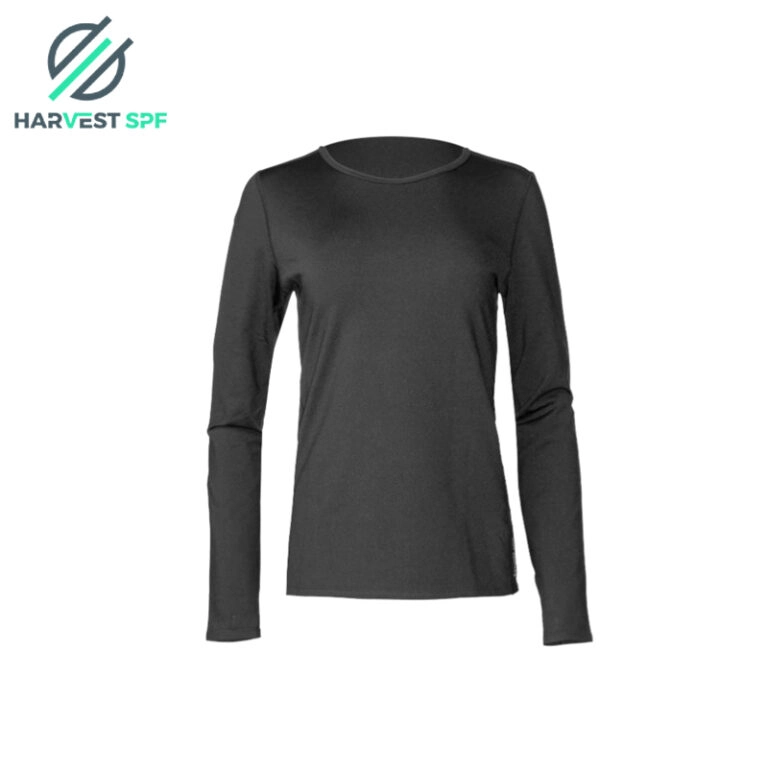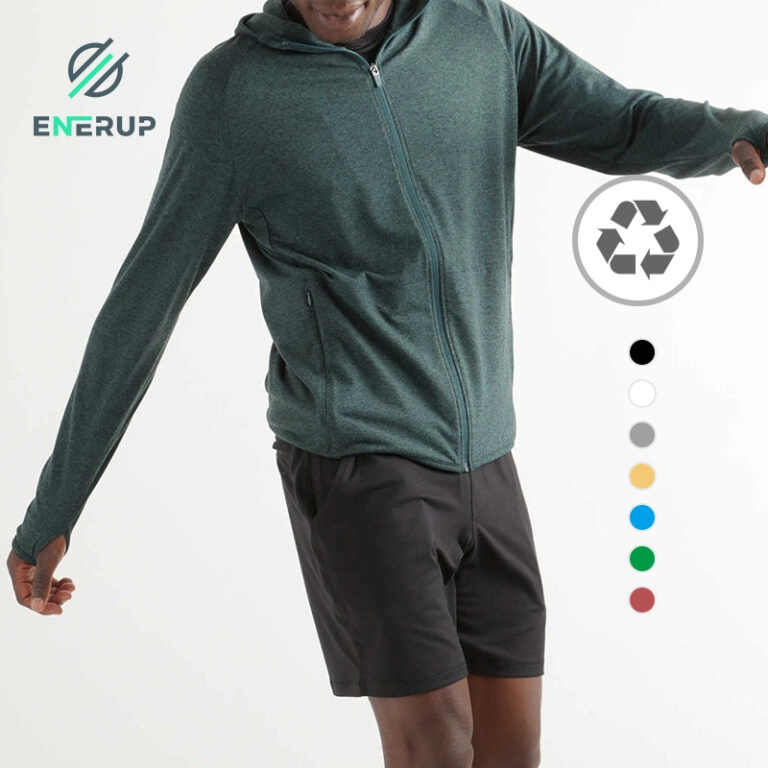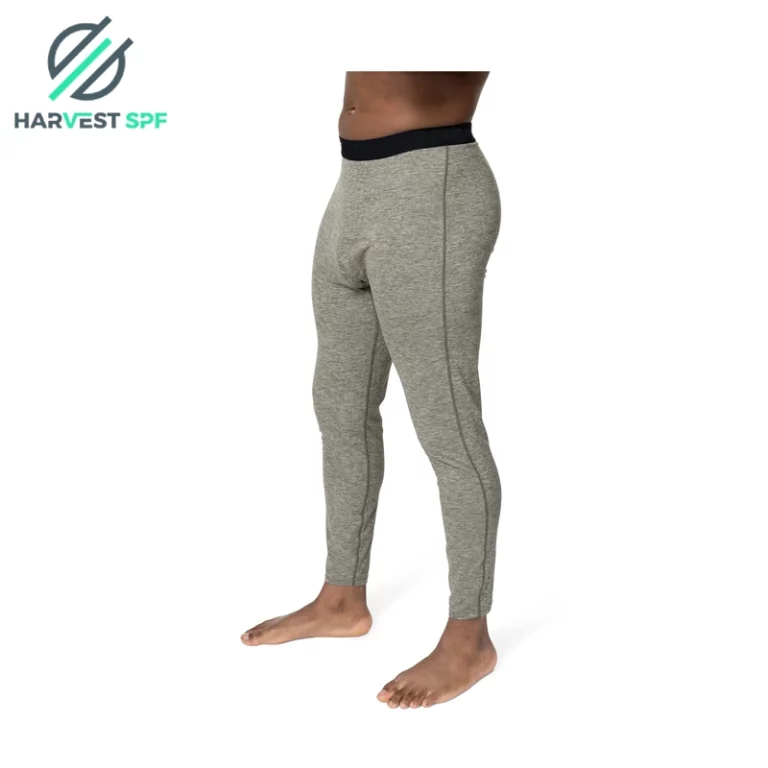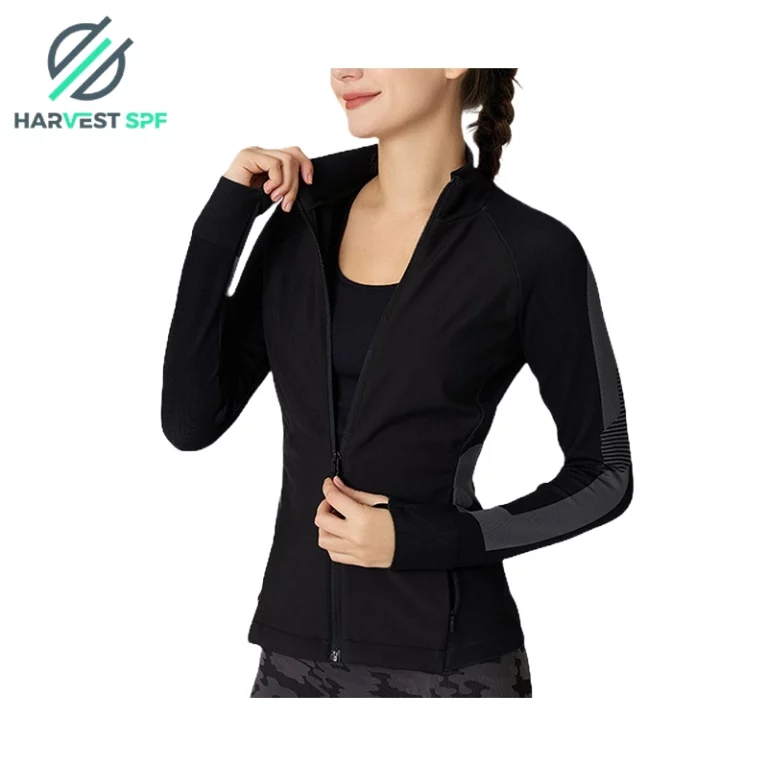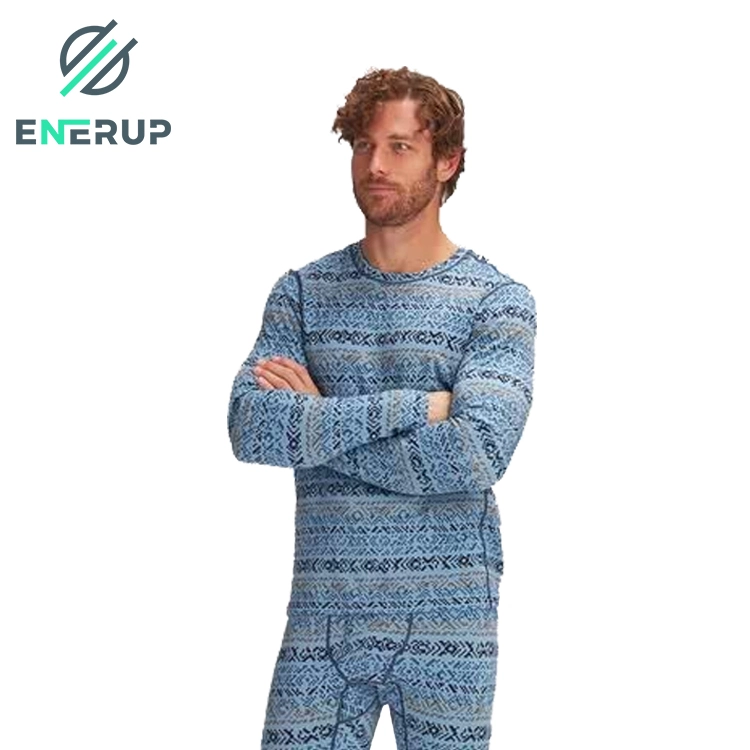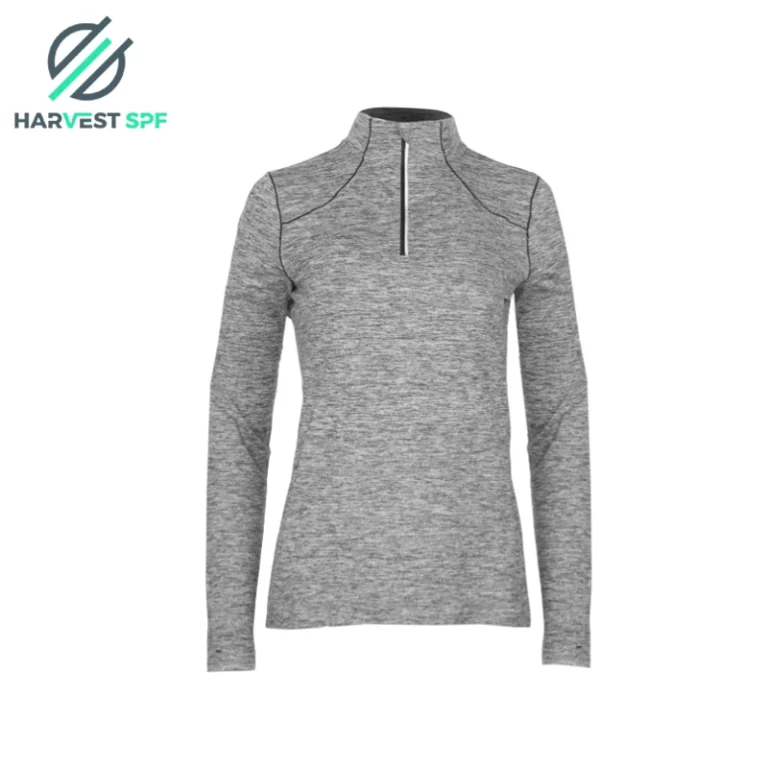

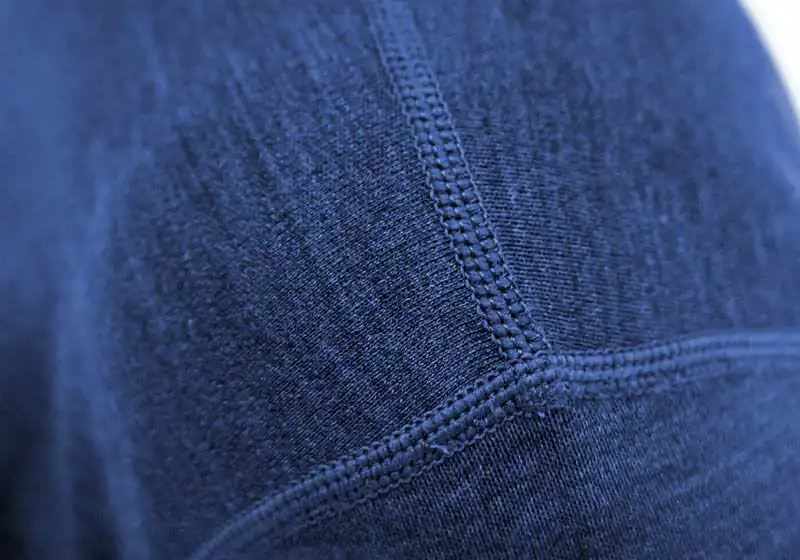
Flatlock stitching plays an important role in modern activewear manufacturing because it creates smooth, low-profile seams that reduce bulk and help improve comfort during movement. Unlike traditional seams that can create overlapping seam allowances, flatlock construction is designed to create a flatter join, making it especially useful for garments worn close to the skin, such as base layers, leggings, compression wear, sports bras, and performance tops.
For activewear brands, seam construction is not only a technical detail. It affects stretch, fit, durability, wearer comfort, visual design, and the perceived quality of the finished garment. The right flatlock or flat-seam construction can help a product feel more premium while reducing irritation in high-contact areas such as the inner thigh, underarm, shoulder, waistband, and gusset.
Harvest SPF supports OEM/ODM activewear development by helping brands match fabric, seam construction, thread quality, stitch density, and testing methods to the final product application. This is especially important for performance apparel that must withstand repeated movement, washing, and long-term wear.
What Is Flatlock Stitching?
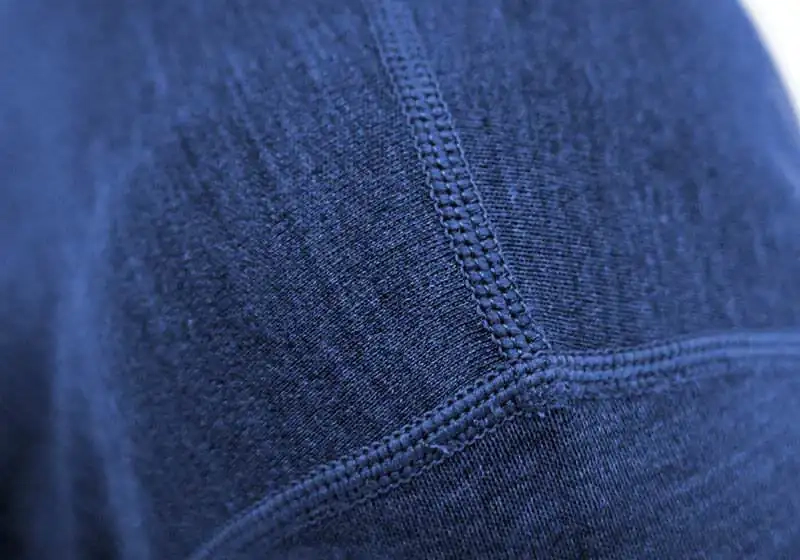
Flatlock stitching is a seam construction method designed to create a flatter, smoother seam than many conventional overlock seams. Depending on the machine setup, fabric type, and garment construction, flatlock seams can reduce seam bulk, improve stretch performance, and create a more comfortable feel against the skin.
In activewear, flatlock stitching is commonly selected for next-to-skin garments and high-movement zones. It is often used in base layers, yoga leggings, running tights, compression tops, underwear, cycling apparel, and outdoor performance layers where comfort and flexibility are essential.
Because different fabrics and garment categories require different seam performance, manufacturers may use several flatlock and flat-seam variations within the same product. For example, a lightweight base layer may prioritize softness and low bulk, while compression leggings may require stronger seams at stress points such as the inner leg and crotch gusset.
Common Flatlock and Flat-Seam Variations in Activewear
The following constructions are commonly used or discussed in activewear manufacturing. The best choice depends on fabric weight, stretch level, product category, target price, visual design, and durability requirements.
Standard Flatlock / Flatseam Construction
Standard flatlock or flatseam construction is widely used in base layers, compression tops, yoga leggings, performance tees, and lightweight training garments. Its main benefit is a low-profile seam that helps reduce friction during repeated movement.
Best for: base layers, leggings, yoga wear, compression tops, and performance T-shirts.
Key benefits: low bulk, stretch comfort, reduced irritation, and a clean technical look.
Considerations: proper tension control is important because stretch fabrics can distort if the seam is too tight or too loose.
Flat Seam with Decorative Coverstitch
Some activewear designs combine flat-seam construction with decorative coverstitch or contrast stitching. This can add visual interest while maintaining stretch and comfort. It is often used in premium sports tops, leggings, and color-blocked activewear where seam lines are part of the design language.
Best for: premium activewear, fashion-performance pieces, color-blocked panels, and visible design seams.
Key benefits: decorative appearance, stretch, brand differentiation, and a clean finish.
Considerations: thread color, stitch density, and seam placement should be aligned with the brand’s visual identity and production cost target.
Reverse Flatlock Stitch
Reverse flatlock places the more textured side of the stitch on the exterior while keeping the inside smoother against the skin. This creates a technical or decorative look on the outside while preserving comfort on the inside.
Best for: technical sportswear, performance jackets, leggings, outdoor layers, and products where visible seam texture is part of the design.
Key benefits: distinctive appearance, smooth interior feel, and functional seam performance.
Considerations: the exterior texture should be tested for abrasion, pilling, and visual consistency after washing.
Zigzag Flatlock or High-Stretch Seam Options
Zigzag-style seam patterns can provide additional elasticity in areas that experience extensive movement. These options are useful for curved areas and high-stretch applications where thread breakage is a concern.
Best for: swimwear, cycling shorts, leg openings, armholes, and joint areas that require high stretch.
Key benefits: improved stretch tolerance, reduced risk of seam restriction, and better movement comfort.
Considerations: the final choice should be tested on the actual fabric because stretch recovery, fabric GSM, and elastane content all affect seam performance.
Twin-Needle and Reinforced Flat-Seam Applications
Twin-needle or reinforced flat-seam applications can be used in high-stress zones when additional durability is required. These constructions can help distribute tension more evenly and improve seam stability in demanding activewear pieces.
Best for: underarms, side seams, inner thighs, seat panels, compression garments, and high-abrasion zones.
Key benefits: added reinforcement, improved durability, and better tension distribution.
Considerations: reinforced seams should still remain comfortable and should not create excessive bulk in close-fitting garments.
2-Thread vs. 3-Thread Flatlock Stitches
Thread count influences seam weight, appearance, durability, softness, and cost. However, the best choice is not simply a matter of choosing more threads. It depends on fabric weight, stretch level, seam location, garment category, and the desired balance between comfort, durability, and production efficiency.
2-Thread Flatlock Stitch
A 2-thread flatlock typically uses one needle thread and one looper thread. It creates a lightweight, flexible seam with minimal bulk. One side may show a ladder-like appearance, while the other side may show a zigzag or interlocked pattern.
This option is often suitable for lightweight performance wear, base layers, yoga tops, underwear, and low-to-moderate stress areas where softness and flexibility are more important than maximum reinforcement.
3-Thread Flatlock Stitch
A 3-thread flatlock uses an additional thread to create a denser and more durable seam. It can offer improved abrasion resistance and strength, making it useful for compression leggings, running tights, sports bras, outdoor layers, and other garments exposed to higher stress.
Common application areas include inner leg seams, crotch gussets, underarms, shoulder seams, and other zones where movement and friction are frequent.
| Feature | 2-Thread Flatlock | 3-Thread Flatlock |
| Seam feel | Lightweight, soft, and low bulk | Denser with added support |
| Durability | Suitable for moderate-stress areas | Better for high-stress zones |
| Flexibility | Excellent stretch and comfort | Excellent stretch with stronger reinforcement |
| Appearance | Narrower and lighter seam profile | Wider and more visible seam band |
| Ideal uses | Base layers, lightweight tops, underwear, yoga tops | Compression wear, running tights, sports bras, outdoor gear |
Manufacturers may combine both configurations in a single garment to optimize comfort, weight, durability, and production cost.
Flatlock vs. Overlock vs. Coverstitch: What Is the Difference?
Activewear brands often compare flatlock, overlock, and coverstitch when developing knit performance garments. Each seam type has its own function and should be selected based on garment use, target price, comfort expectations, and production requirements.
| Seam Type | Main Use | Benefits | Limitations |
| Flatlock / Flatseam | Base layers, leggings, compression wear, next-to-skin apparel | Low bulk, smooth against skin, good stretch, premium technical appearance | Can require specialized machines, skilled operators, and careful tension control |
| Overlock | General knit garment joining and internal seams | Efficient, strong, widely used, cost-effective | More seam bulk; may cause friction in next-to-skin performance apparel |
| Coverstitch | Hems, decorative seam lines, activewear finishing | Clean appearance, stretch, decorative options | Usually not used alone for all structural seam joining |
In premium activewear, these seam types are often combined. For example, a garment may use flatlock seams in high-contact areas, overlock seams in less sensitive areas, and coverstitch for hems or decorative details.
Benefits of Flatlock Seams in Activewear
Chafe-Free Comfort
Flatlock seams help reduce friction in high-contact areas such as inner thighs, underarms, shoulders, waistbands, and gussets. This is especially valuable for long-distance running, cycling, yoga, hiking, and extended wear.
Enhanced Flexibility and Stretch Performance
The interlocked structure of flatlock seams works well with stretch fabrics. When correctly engineered, the seam moves with the body without restricting the garment or creating uncomfortable pressure points.
Improved Durability in High-Movement Zones
In leggings and compression tights, flatlock seams are often used around the inner thigh, gusset, and side panels to reduce friction during repeated movement. In base layers and performance tops, they are commonly used at the shoulder and underarm areas where skin contact and abrasion are more noticeable.
Lightweight and Streamlined Appearance
Flatlock construction can create a cleaner silhouette with less bulk than many conventional seam constructions. Decorative effects such as contrast stitching, ladder patterns, or reverse flatlock can also enhance product identity while maintaining functional performance.
How to Choose the Right Flatlock Stitch for Activewear Development
For activewear brands, choosing the right seam construction is not only a technical decision. It also affects garment cost, target retail price, visual identity, durability, and customer comfort. The best solution should be selected based on the garment’s end use and tested before bulk production.
- Fabric properties: High-stretch, lightweight fabrics may benefit from softer 2-thread constructions, while heavier compression fabrics may require 3-thread or reinforced options.
- Garment category: Base layers, leggings, sports bras, cycling shorts, and outdoor layers each have different seam stress points and comfort expectations.
- Compression level: Higher compression requires stronger seam stability and better tension control.
- Fabric GSM and recovery: Heavier fabrics and high-elastane fabrics need seam testing to prevent puckering, distortion, or thread breakage.
- Next-to-skin comfort: Garments worn directly against the skin should prioritize smoothness, low bulk, and reduced friction.
- Aesthetic goals: Contrast stitching, decorative coverstitch, ladder effects, or reverse flatlock can support brand identity and product differentiation.
- Target price: More complex seam constructions may increase production cost but can also improve perceived value in premium activewear.
Quality Checks for Activewear Seam Construction
Quality control is critical because even the right seam type can fail if thread tension, needle selection, fabric handling, or seam placement is not properly controlled. For custom activewear development, seam performance should be checked during sampling and before bulk production.
- Seam strength testing to confirm the seam can withstand pulling and repeated movement.
- Stretch and recovery testing to ensure the seam moves with the fabric without restriction or distortion.
- Wash durability testing to check seam stability after repeated laundering.
- Abrasion resistance testing for high-friction areas such as inner thighs, underarms, and seat panels.
- Pilling and surface appearance review around seam areas after wear and washing.
- Needle damage inspection to prevent holes, broken yarns, or weakened fabric near the seam.
- Thread tension consistency checks to avoid puckering, skipped stitches, or loose seams.
- Fit sample and wearer comfort review to confirm that seam placement supports movement and does not irritate the skin.
Additional Considerations in Activewear Seam Construction
Seam Placement Strategies
Strategic seam placement improves fit while reducing friction and potential failure points. Flatlock seams at side panels, gussets, underarms, and shoulders can improve range of motion while supporting garment structure.
Material Compatibility
Flatlock construction is especially suitable for knit fabrics that contain spandex or similar elastomers. Moisture-wicking fabrics, antibacterial yarn options, compression materials, merino blends, and thermal base layer fabrics can all require different seam settings and thread choices.
Thread and Machine Settings
Thread type, needle size, stitch density, machine tension, operator skill, and fabric feeding all influence the final seam result. Small adjustments can make the difference between a clean, stretchable seam and one that puckers, breaks, or feels rough against the skin.
How Harvest SPF Supports Activewear Seam Construction
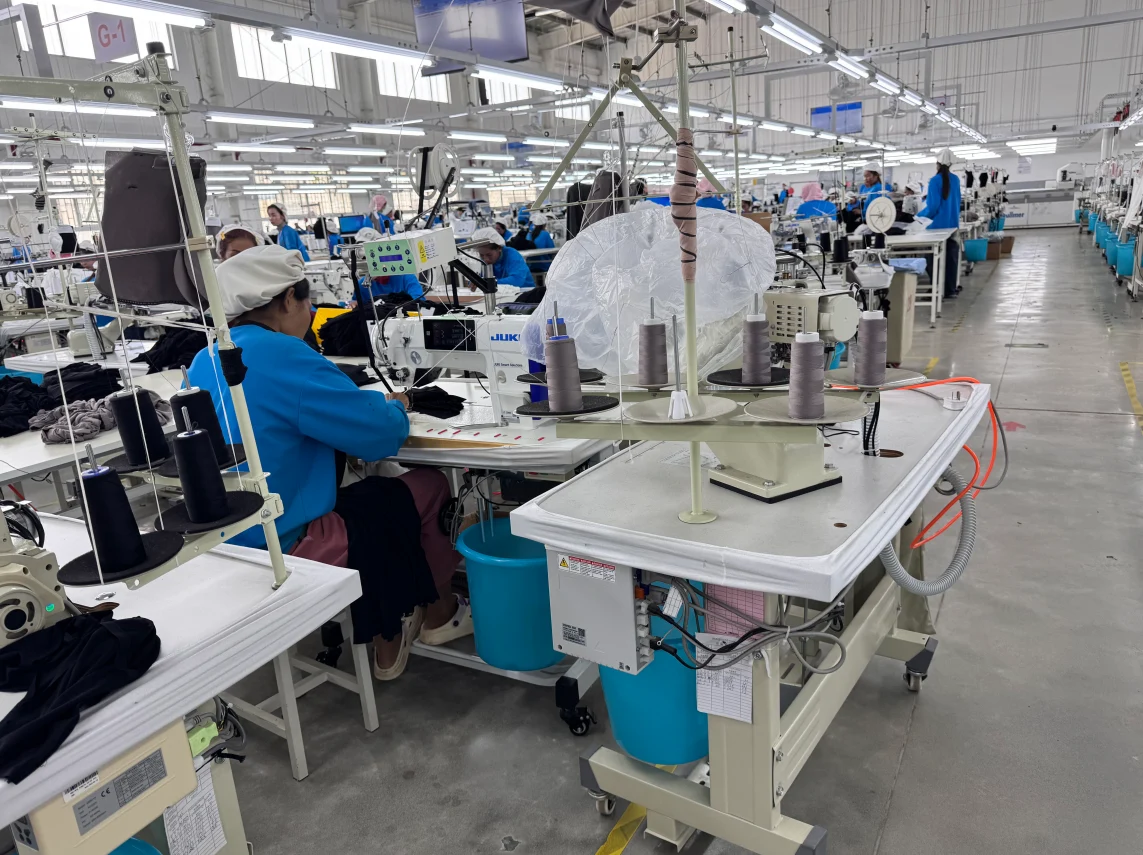
Harvest SPF supports OEM/ODM activewear development by helping brands select suitable fabrics, seam constructions, thread quality, stitch density, and testing methods based on the garment’s end use. Whether developing base layers, compression leggings, seamless activewear, sports bras, performance tops, or outdoor apparel, the team can align construction details with comfort, durability, and brand positioning.
With experience in functional textile development, vertical production, and custom garment manufacturing, Harvest SPF can support brands from material selection and sampling to fit adjustment, bulk production, and quality control. This helps ensure that seam construction is not treated as an afterthought, but as a key part of product performance.
FAQs
What makes flatlock stitching ideal for activewear?
Flatlock stitching creates smooth, low-profile seams that can reduce chafing while supporting stretch and flexibility. This makes it useful for next-to-skin garments such as leggings, base layers, compression wear, sports bras, and performance tops.
What is the difference between 2-thread and 3-thread flatlock stitches?
2-thread flatlock seams are generally lighter and softer, making them suitable for lower-stress areas and lightweight garments. 3-thread flatlock seams are denser and more durable, making them better suited for high-stress zones and performance garments.
How does reverse flatlock differ from standard flatlock?
Reverse flatlock places the more textured stitch appearance on the exterior for a decorative or technical look while keeping the inside smoother against the skin. Standard flatlock usually focuses on low-profile comfort and clean seam function.
Is flatlock stitching more expensive than overlock stitching?
In many cases, yes. Flatlock construction can require specialized machines, skilled operators, and careful tension control. However, it can improve comfort, appearance, and perceived product quality in premium activewear.
Can flatlock seams be used in custom leggings and base layers?
Yes. Flatlock seams are commonly used in custom leggings, compression tights, base layers, sports bras, performance tops, and underwear where comfort and stretch are important.
Can flatlock stitches include decorative elements?
Yes. Coverstitch overlays, contrast threads, ladder effects, and reverse flatlock constructions can add decorative value without sacrificing performance when properly engineered.
Can Harvest SPF help select the right seam construction for my product?
Yes. Harvest SPF can recommend seam construction based on fabric type, garment category, stretch requirement, target price, and end-use application. The team can also support sampling, fit review, and production testing.
Final Thoughts
Flatlock stitch variations help activewear brands balance comfort, performance, durability, and visual design. From lightweight base layers to reinforced compression garments, the right seam construction can improve wearer comfort, reduce irritation, and support long-term product quality.
For brands developing custom activewear, seam construction should be considered alongside fabric selection, fit, compression level, wash durability, and target price. Harvest SPF can support this process through OEM/ODM development, technical guidance, sampling, and full production support for functional activewear and base layer collections.
Contact the Harvest SPF team to discuss custom activewear projects, seam construction options, material selection, and production solutions for your next performance apparel collection.