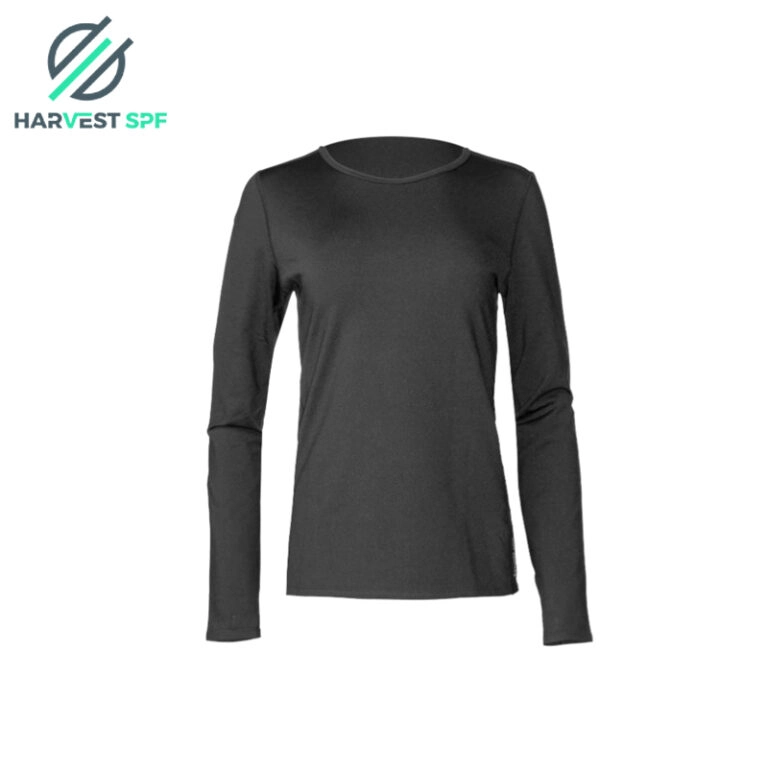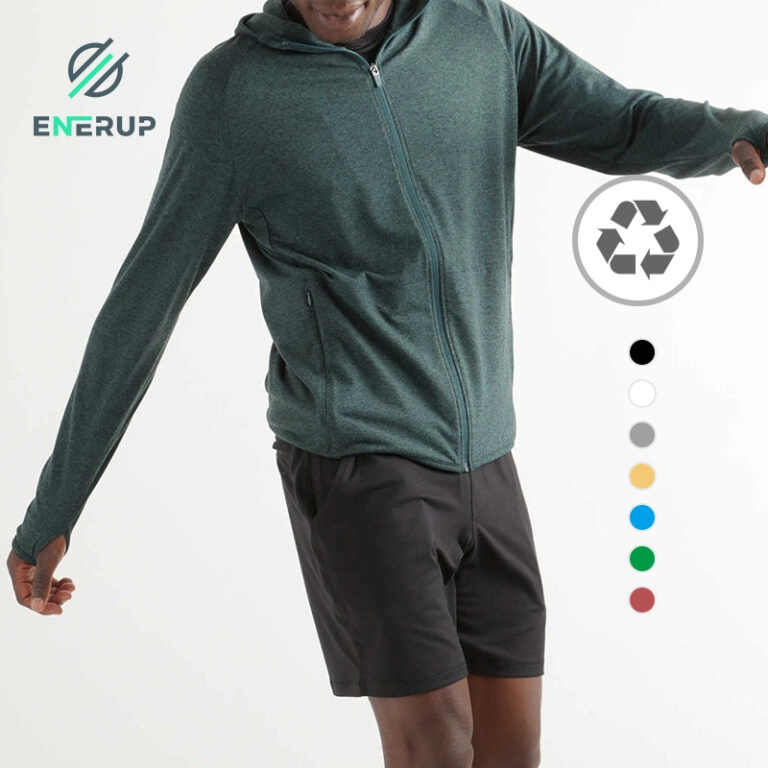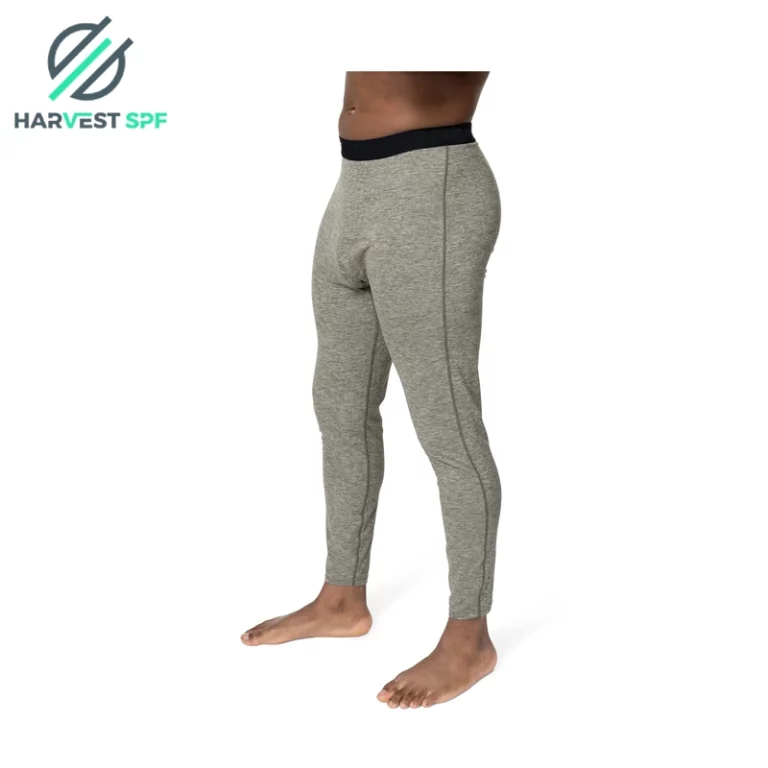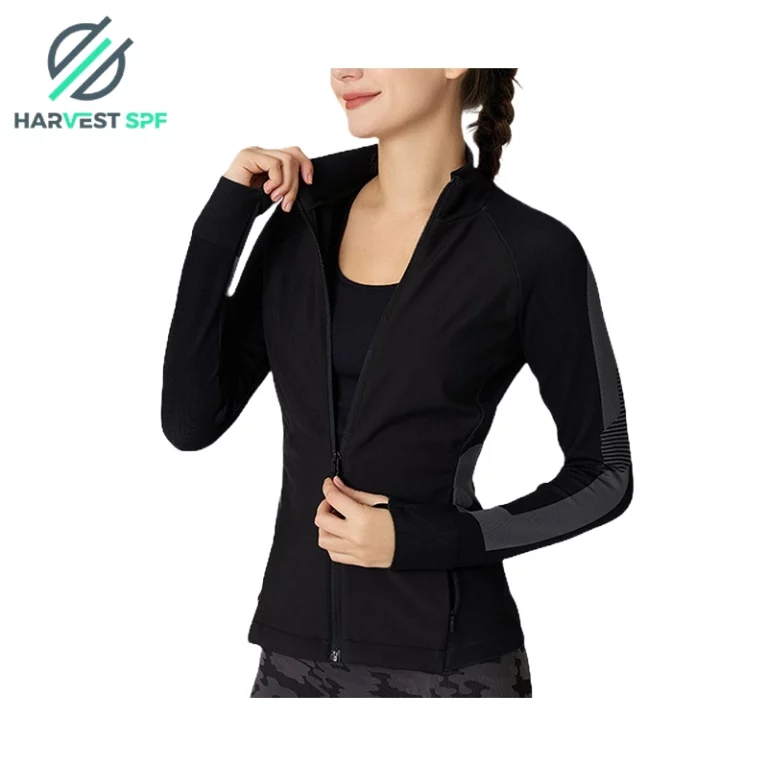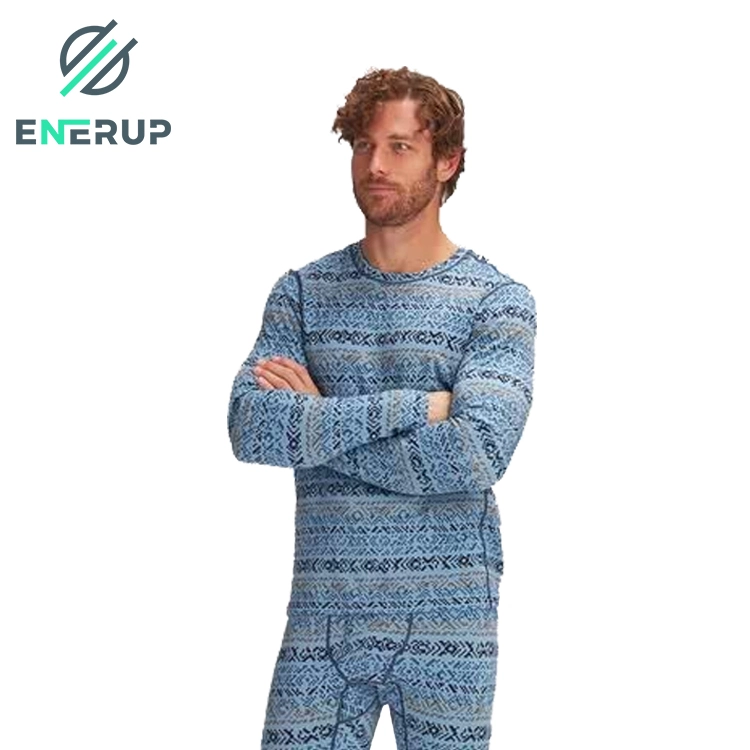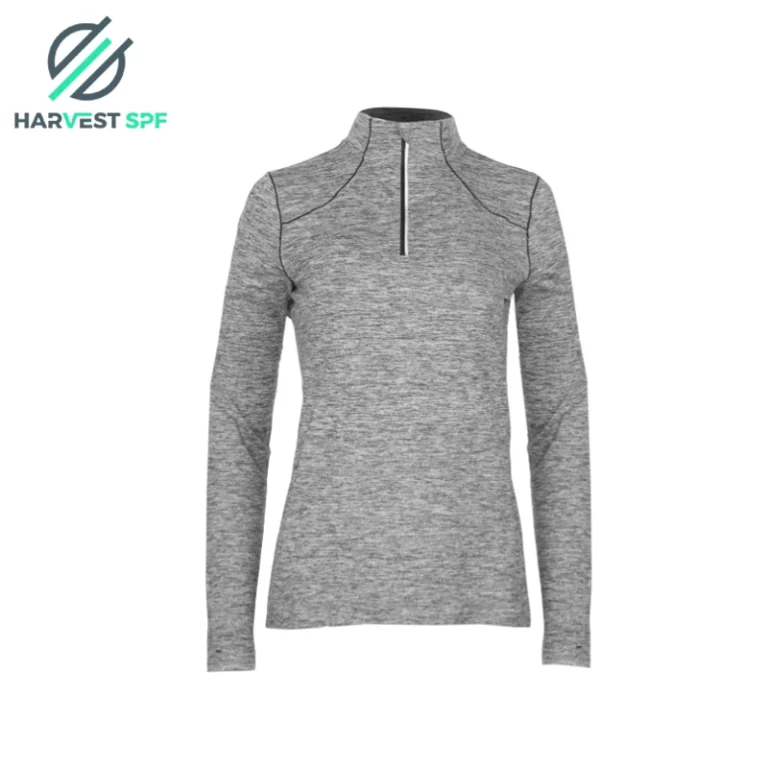


Merino wool is an excellent choice for summer apparel, especially for lightweight base layers, outdoor T-shirts, travel clothing, and activewear worn close to the skin. Unlike traditional wool, fine Merino wool can help regulate body temperature, manage moisture, and reduce odor, making it suitable for warm-weather performance apparel.
Harvest SPF is an OEM/ODM functional apparel manufacturer specializing in Merino wool base layers, seamless activewear, outdoor apparel, thermal underwear, and performance textile development. We help outdoor, sportswear, and lifestyle brands develop Merino wool garments that are soft, breathable, durable, and comfortable for summer use.
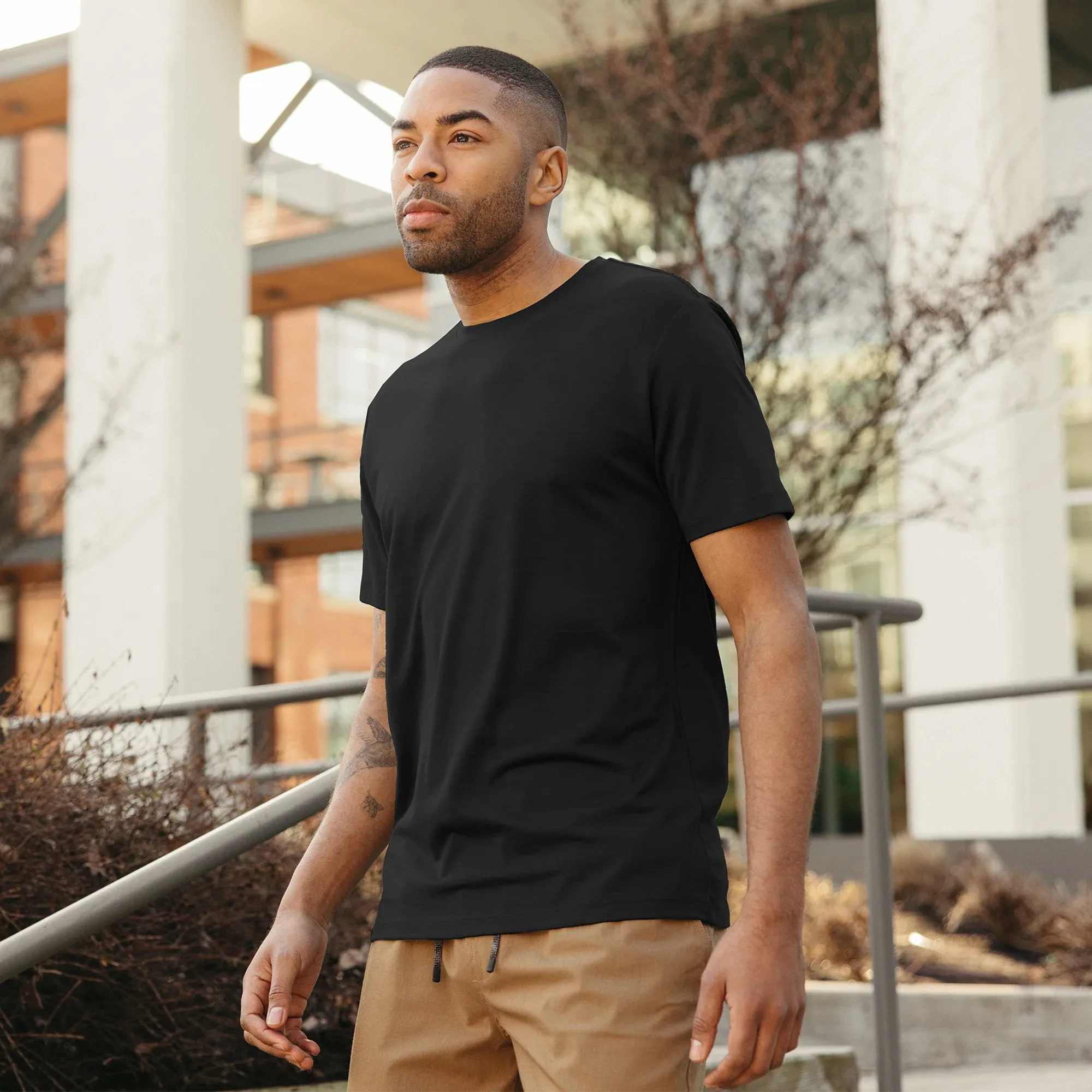
Why Does Merino Wool Perform So Well in the Heat?
Merino sheep are naturally adapted to environments with changing temperatures, and fine Merino wool brings similar temperature-balancing properties to apparel. For summer wear, the advantage is not that wool blocks heat, but that it helps create a more stable microclimate next to the skin.
Merino wool absorbs moisture vapor, releases it gradually, and supports evaporative cooling. Its fiber structure also provides insulation without bulk, which means lightweight Merino fabrics can be comfortable in warm weather when the garment weight, knit structure, and fit are properly designed.
How Does Merino Wool Help You Stay Cool in the Summer?
Temperature regulation in Merino wool is closely connected to moisture management. When the body sweats, effective evaporation helps the wearer cool down. Clothing that feels wet or clammy can reduce comfort and make the body feel hotter.
Merino wool can absorb up to 35% of its weight in moisture before it starts to feel damp. By comparison, cotton absorbs around 24% of its weight, while polyester absorbs much less moisture into the fiber itself. This allows Merino wool to buffer moisture vapor and help the wearer feel drier and more comfortable against the skin.
Although Merino wool may not dry as quickly as some lightweight synthetic fabrics, it can absorb moisture vapor without feeling immediately wet. This makes it especially useful for summer hiking, travel, outdoor work, and activewear used in changing temperatures or during rest periods after exercise.
Lightweight Merino base layers, developed by manufacturers such as Harvest SPF, can provide next-to-skin comfort while supporting moisture control, breathability, and natural odor management.
What Makes Merino Wool Work Well for Hot Weather?
Merino wool is much finer and softer than traditional wool. Its low micron count helps create lightweight fabrics with a smooth hand feel, making it suitable for garments that are worn directly against the skin. This is why fine Merino wool is often used in summer T-shirts, base layers, travel apparel, hiking tops, underwear, and socks.
Core-Spun Merino Fabrics for Enhanced Performance
In core-spun Merino yarns, fine Merino wool is wrapped around a stronger filament core, such as nylon. This construction helps improve durability, abrasion resistance, and shape retention while maintaining the soft touch, temperature regulation, and moisture management benefits of Merino wool on the outside.
For running, hiking, cycling, and outdoor apparel, core-spun Merino fabrics can offer better durability than many 100% Merino fabrics, especially in garments that face repeated movement, abrasion, and washing. Fabric weights can range from lightweight summer options around 150 GSM to heavier base layer weights up to 300 GSM, depending on the product specification.
How Does Wool Help Reduce Odor in the Heat?
Odor often develops when bacteria interact with sweat in warm, moist conditions. Merino wool helps manage this problem in two ways: it keeps the skin microclimate more comfortable by managing moisture vapor, and its fiber structure can bind odor molecules until they are released during washing.
Synthetic base layers can retain odor more noticeably after repeated wear, while Merino wool is often preferred for multi-day hiking, travel, and outdoor use because it helps reduce odor buildup. This property is especially important for socks, underwear, base layers, and travel garments that may be worn for extended periods between washes.
Harvest SPF uses Merino wool in seamless base layers and underwear designed to reduce chafing and improve comfort in high-sweat areas. Seamless knitting can also reduce irritation points, making Merino garments more suitable for long-duration outdoor activities and close-to-skin apparel.
Can Wool Really Protect from the Sun?
Merino wool fabrics can offer natural UV protection, but the exact UPF rating depends on fabric weight, knit density, color, construction, and finishing. Many Merino garments can be engineered to achieve UPF 20 to UPF 50+ protection.
Unlike some topical chemical finishes, the sun-protective effect of the fabric structure is not simply washed away. However, brands should confirm UPF performance through proper testing, especially when developing summer outdoor apparel, hiking shirts, cycling tops, and children’s outdoor clothing.
Benefits of Merino Wool Base Layers in Summer Activities
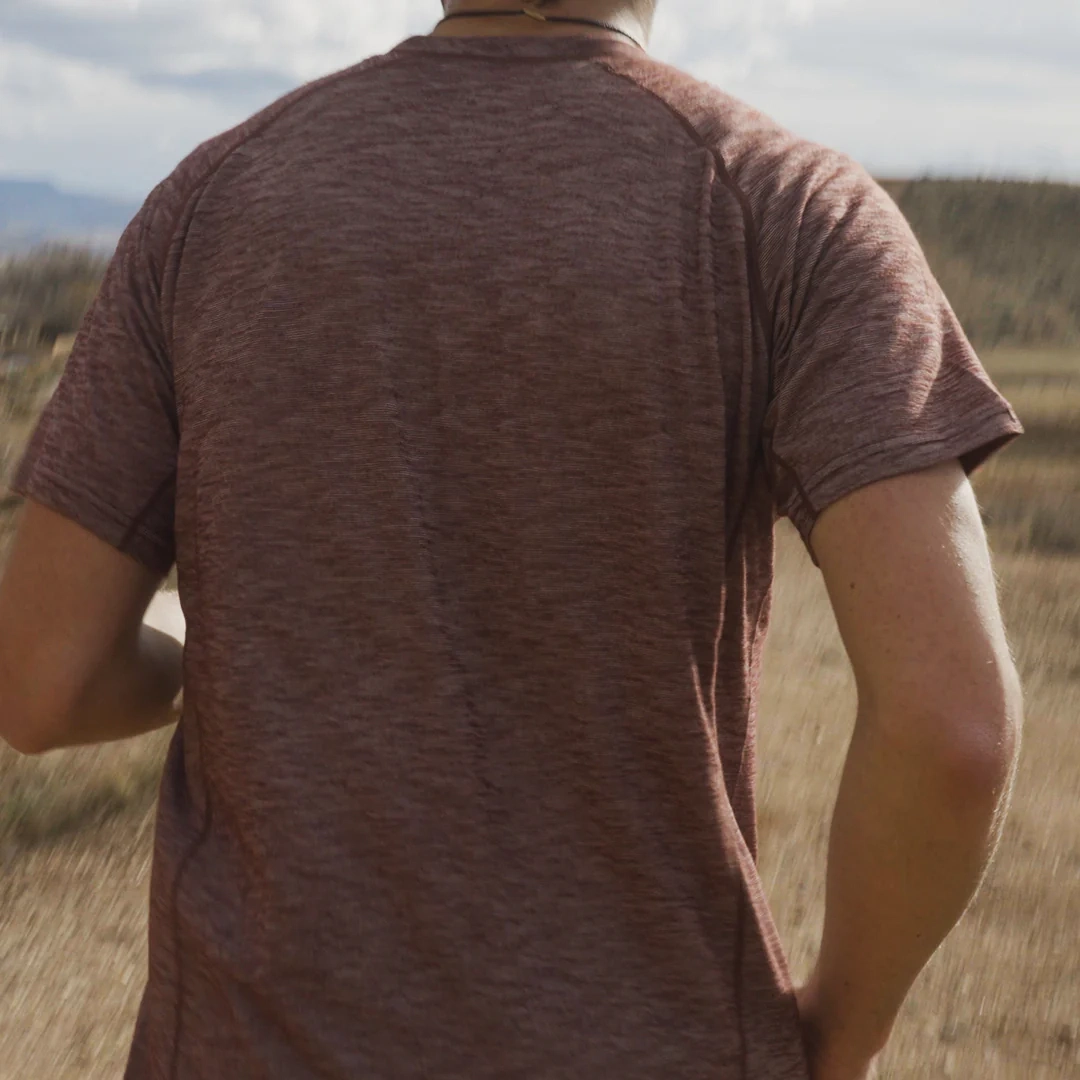
Merino wool base layers can be used as the first layer for summer hiking, trail running, cycling, camping, travel, and outdoor work. They help regulate body temperature during movement and reduce the feeling of cooling too quickly during rest periods. Lightweight Merino garments also support freedom of movement when designed with the right fabric weight, stretch, and garment construction.
Seamless Merino Technology
Harvest SPF uses seamless knitting techniques on Santoni machines to create smooth garments with fewer irritation points. The Harvest SPF seamless Merino series includes long pants, briefs, and tops for active users. These products are designed to reduce chafing during long periods of activity while supporting breathability, comfort, and temperature regulation in warm conditions.
Kids and Family Merino Options
Merino wool base layers can also be developed for children and family outdoor products. Because fine Merino wool is soft, breathable, and odor-resistant, it is suitable for kids who play sports, families who travel, and outdoor customers who want comfortable performance apparel across different activity levels.
Material Blends and Innovations by Harvest SPF
Harvest SPF combines Merino wool with fibers such as Tencel, Modal, nylon, or polyamide to achieve different performance goals. Depending on the product, blends can improve durability, fast drying, stretch recovery, softness, sustainability positioning, or cost efficiency.
For example, Merino/Tencel blends can improve softness and moisture comfort, while Merino/nylon or core-spun Merino constructions can improve strength and abrasion resistance. These options allow brands to choose different fabric solutions for summer T-shirts, underwear, cycling tops, hiking base layers, socks, and outdoor accessories.
Many Harvest SPF Merino products can be developed with OEKO-TEX certification or Responsible Wool Standard (RWS) compliance, helping brands support responsible sourcing, product safety, and quality expectations in the outdoor and activewear market.
How to Choose Merino Wool Fabric for Summer Activewear
For B2B buyers, the best Merino fabric depends on the product category, activity level, target price, and durability requirements. The table below provides a practical starting point for summer Merino product development.
| Application | Recommended Fabric | Suggested Weight / Notes |
| Summer T-shirts | 100% Merino or Merino/Tencel blend | 120–180 GSM for lightweight comfort |
| Hiking base layers | Core-spun Merino or Merino/nylon blend | 150–200 GSM for durability and comfort |
| Cycling tops | Merino/polyamide blend | Lightweight, breathable, and abrasion-resistant |
| Underwear | Merino/Tencel or Merino/nylon blend | Soft, breathable, and close-to-skin comfort |
| Socks | Merino/nylon/spandex blend | Weight depends on cushion level and use case |
Care and Longevity of Merino Wool Summer Apparel
Merino wool garments are generally easy to care for, but care instructions should match the yarn, fabric structure, finishing, and garment design. Many Merino products can be machine washed on a gentle cycle and air dried, but brands should confirm shrinkage, spirality, pilling, colorfastness, and dimensional stability before bulk production.
Good care practices help extend the life of performance apparel. A longer-lasting garment supports sustainability by reducing replacement frequency while maintaining temperature regulation, moisture management, and comfort over multiple seasons.
FAQ
Is Merino wool too warm for summer?
No. Fine Merino wool can be comfortable in summer when the fabric is lightweight, breathable, and designed for warm-weather use. It helps manage moisture vapor and supports evaporative cooling, making it suitable for summer base layers, outdoor T-shirts, and travel apparel.
Merino wool vs. synthetic clothing in the heat: how do they compare?
Merino wool is strong in moisture buffering, odor control, and next-to-skin comfort. Some synthetic fabrics may dry faster, but they can retain odor more noticeably after repeated wear. The best choice depends on the activity, climate, garment weight, and required durability.
What is the best Merino wool fabric weight for summer?
For hot weather, lightweight Merino fabrics are usually preferred. Around 150–180 GSM is a practical range for summer base layers and T-shirts, while lighter or heavier options may be selected depending on transparency, durability, stretch, and product category.
Partner with Harvest SPF for Premium Merino Wool Solutions
If you are an apparel brand, retailer, or supplier looking for reliable Merino wool base layers and functional textile products, Harvest SPF can support fabric development, garment production, and OEM/ODM solutions. Harvest SPF is a China-based functional apparel and textile manufacturer with experience in Merino wool, seamless knitting, core-spun fabrics, outdoor apparel, thermal underwear, socks, and activewear product development.
Harvest SPF offers flexible MOQs, rapid sampling, sustainable material options, and support for product categories such as women’s Merino briefs and long underwear, kids’ base layers, socks, accessories, summer T-shirts, and outdoor performance garments. We can discuss your project requirements, recommend suitable Merino yarns and fabric structures, develop samples, and support bulk production for your summer activewear range.