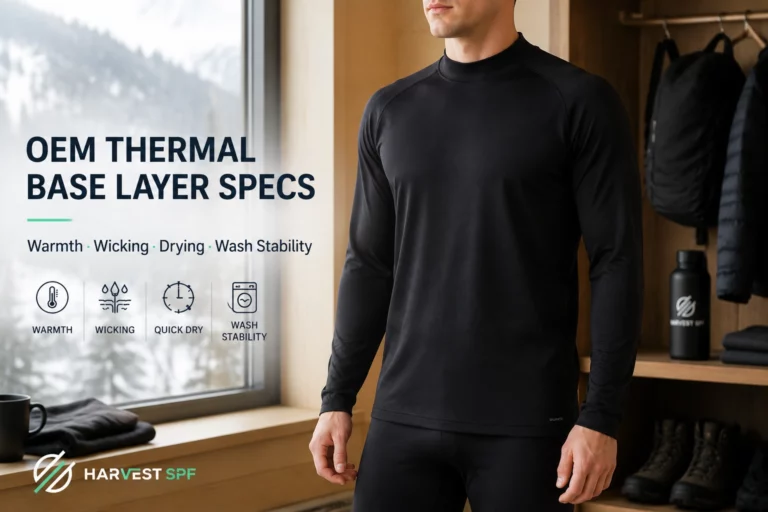

Base layers have graduated from basic thermal tops and bottoms to a strategic product line that outdoor, activewear, travel and lifestyle brands offer their customers. These layers are designed to provide maximum comfort while wicking moisture, fitting well, lasting long and being sustainable. So while customers are increasingly paying more attention to what they wear closest to their skin, brands are seeking the best base layers to offer to their customers while using the most responsible materials.
Sustainable base layers are not just about choosing an eco-friendly fabric for your sustainable apparel line. Building a sustainable base layer requires balancing the sustainability of the fibers used, the construction of the base layer, the certification of sustainability, laboratory testing, and consistent production. When building sustainable apparel for your brand, the real question is not “Is this fabric sustainable?” but “Will it perform, last and produce the same quality over and over in large production quantities?”
Why Sustainable Base Layers Matter for Brands
Base layers are worn next to the skin, so it is particularly important for their design to ensure wearer comfort and good performance. A very poor base layer could be tacky to wear, prevent freedom of movement, harbor odor, shrink or lose shape with repeated washing and wearing. The design of a good base layer can provide warmth, good breathability, control of moisture and excellent wearing comfort.
For brands, sustainable base layers can strengthen product differentiation and support premium positioning. They also help build product lines for outdoor sports, winter wear, gym training, travel, and everyday functional apparel.
Sustainability has to be translated into concrete decisions on how to develop a brand. Terms like ‘green’ or ‘natural’ are not sufficient on their own. Sustainable products need to have traceable materials, they have to be tested properly and require documentation that supports the product claims.
What Makes a Base Layer Truly Sustainable?
Evaluating a sustainable base layer throughout the entire product development process and not solely on the basis of the fibers used is important. Origin of raw materials, durability of products, washing performance, chemical safety, environmental impact of production and the area of application are crucial for a sustainable base layer.
Key sustainability factors include:
- Renewable or recycled fiber content
- Certified and traceable materials
- Lower-impact dyeing and finishing
- Strong stretch and shape retention
- Reduced odor and lower washing frequency
- Good pilling and colorfastness performance
- Safe next-to-skin comfort
- Responsible production documentation
When considering sustainability, a garment must be durable and not fall apart in a few wearings. While eco-friendly fibers are an important component, base layers require a garment to have a long lasting fit, be comfortable and withstand repeated washing.
Eco-Friendly Base Layer Fabrics by Use Case
One cannot say that there is a single sustainable fabric that is suitable for all base layers. The choice of fabrics for base layers depends on various factors such as the activity, climate, price, hand and the performance that one wants to achieve from the garment.
Merino Wool Blends
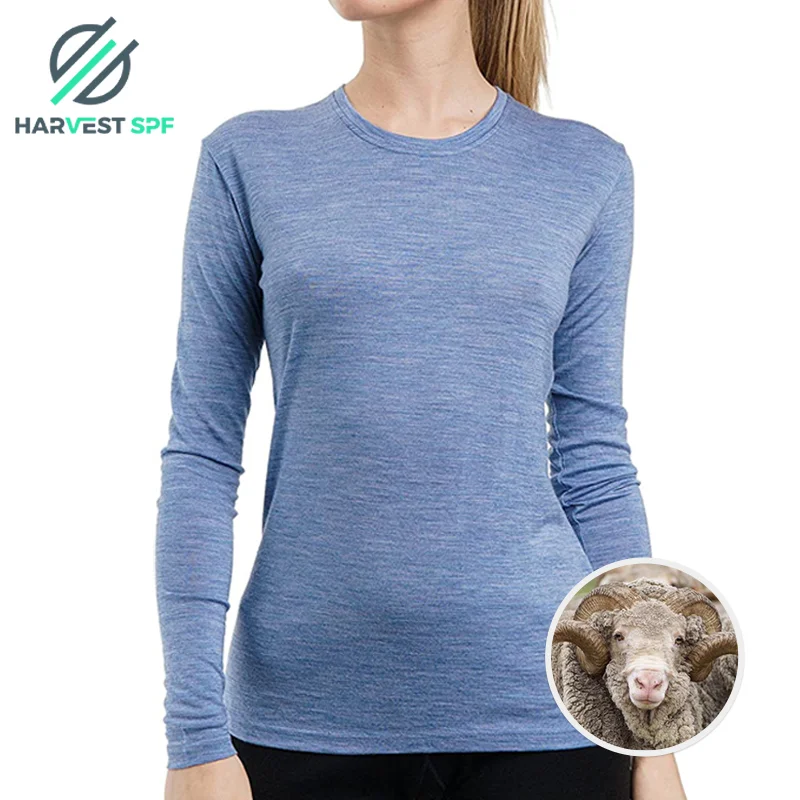
Merino wool blends are suitable for outdoor, thermal, hiking, skiing, camping and travel base layers. They provide temperature regulation and natural odor resistance, making them suitable for multi-wear items over several days. This fiber type can form the basis of a brand’s premium product proposition, especially when combined with responsible sourcing and verification to recognized standards.
There are three main challenges: cost, strength and recovery. Blending Merino wool with other fibers can counteract the negative attributes of Merino wool like durability and elasticity problems as well as production instabilities.
Recycled Polyester Blends
For high-sweat activities such as training, running, cycling and gym wear Recycled polyester blends are a great option. These blends are fast drying, hold shape well and have the ability to be mass produced.
Recycled polyester can be a way for brands to deliver performance and sustainability at a more accessible price point. First, however, it’s important to verify the recycled content, and then consider wash performance and the associated microplastic release when making claims about products made with recycled polyester.
Lyocell and Modal Blends
Lyocell and modal blends work well for construction of soft, breathable next-to-skin base layers. They are suited for retail products for travel, lifestyle, light activity and comfort. The fibers have a smooth hand and good moisture absorption.
These fibers may require additional stretch or recovery and are often blended with fibers like elastane, wool, polyester or nylon depending on the intended use of the garment.
Organic Cotton and Hemp Blends
A mixture of organic cotton and hemp can be used to make casual products for wearing as a base layer or every day wear. They express a natural fiber story, with appropriate comfort and ecological credentials for customers seeking milder environmental properties.
While these types of fabrics can be great in their own right for various purposes, they can fall short in terms of performance for highly active individuals such as runners or winter sports enthusiasts. For such purposes, it is typically wise for brands to blend strategies in order to produce materials that are capable of rapidly drying, flexible, and highly moisture-permeable.
Building a Sustainable Base Layer Product Matrix
A solid base layer collection should not rely on one fabric or one construction. A strong assortment can be created by developing products for different end use cases.
Outdoor Thermal Base Layers
Products should be warm, dry quickly, and be anti odor. Suitable materials for such products could be Merino wool mixes, recycled synthetic blends or even a mix of both. These are suitable for Skiing, Hiking, Climbing and Camping as well as other winter activities where people are traveling for long periods of time.
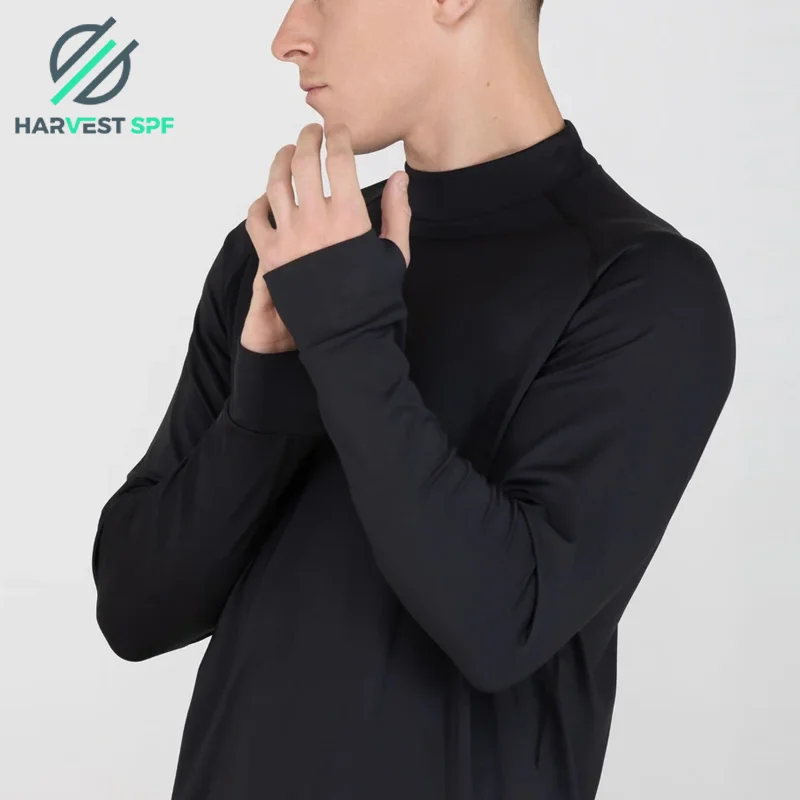
High-Sweat Athletic Base Layers
Quick-dry, stretch recovery, lightweight and less cling are the key characteristics for these products. Seamless/flatlock construction can also help to reduce friction in active movements. Gym, running, cycling and high intensity sports are typical areas of application.
Travel and Everyday Base Layers
Softness, easy care, odor control, and low bulk packing should be the main criteria for this category. The following materials are suitable for this category: lyocell, modal, wool blends and soft recycled blends.
Premium Seamless Base Layers
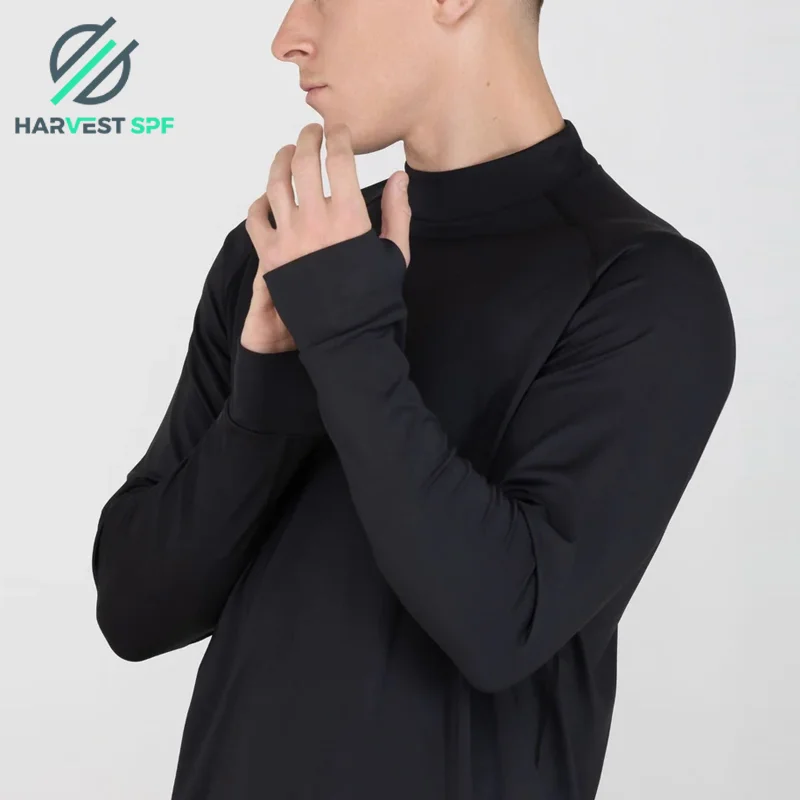
Seamless base layers can support a higher-end product line, as they can eliminate the bulky seams found in standard base layers, improve the fit and allow for features such as zoned ventilation or compression. For active consumers, seamless construction can provide greater comfort and perceived quality.
Construction and Testing Before Production
While the fabric of a base layer is a key component to the overall performance of the garment, the construction of the garment also plays a huge role in the comfort of the garment as well as the lifespan of the product and overall customer satisfaction.
We or our manufacturers use Seamless knitting to reduce chafing or to support body-mapped zones, Flatlock seams in fitted garments for maximum comfort, Ribbed panels to increase stretch and recovery, and/or to create ventilation zones to increase breathability in high-sweat areas.
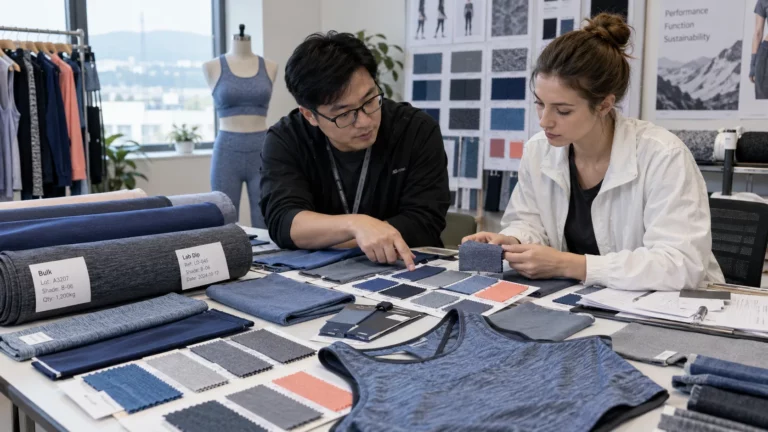
Before bulk production, brands should test both performance and durability. Recommended tests include moisture-wicking, drying speed, pilling resistance, stretch recovery, shrinkage, colorfastness, seam strength, abrasion resistance, odor-control performance if claimed, and fit comfort.
By testing products, brands can avoid the worst of costly post launch problems and also ensure that any sustainability measures that have been incorporated do not detract from the overall product performance.
Certifications and Traceability
We require that any sustainability claims be backed up by documentation. For a brand developing sustainable base layers it is important to work with a manufacturing partner that is able to provide material certifications, test reports as well as documentation about the supply chain.
Useful verification areas include recycled content documentation, chemical safety standards, organic fiber certification where applicable, fabric origin, restricted substance compliance, colorfastness reports, and production quality control records.
By referencing certifications and traceability, a responsible brand can clearly communicate its activities and prevent unfounded environmental claims.
How Harvest SPF Supports Sustainable Base Layer Development
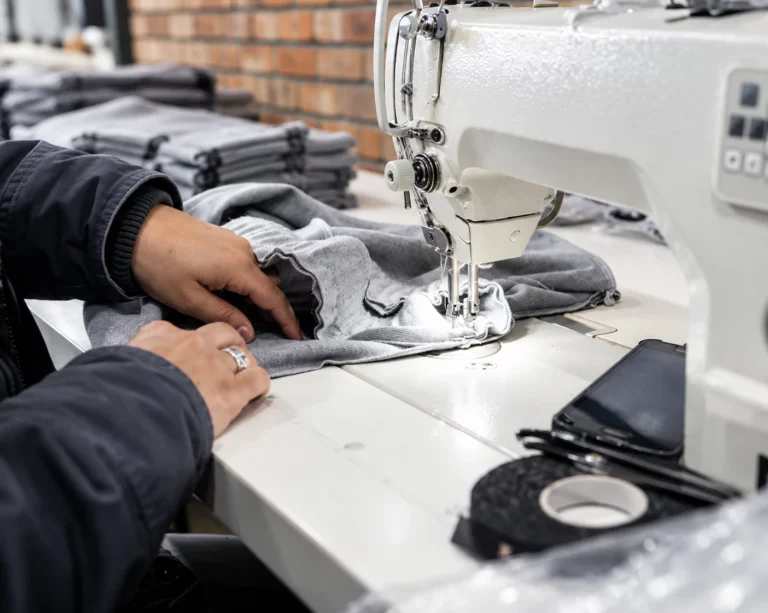
Harvest SPF supports the apparel brand to develop sustainable base layers from selecting materials to producing them. We support design, sampling, ensuring quality and mass production. With our many years of experience of functional textiles and performance wear, we support creating base layers that are comfortable, durable, sustainable and can be mass produced.
FAQ
What is the best sustainable fabric for base layers?
Unfortunately, there is no ‘best’ product for all purposes, however Merino wool blends, recycled polyester blends, Lyocell, Modal, Organic Cotton and blends of Hemp can all be suitable for different purposes.
Are sustainable base layers as functional as conventional base layers?
Yes. A correctly designed garment will utilize the appropriate fiber, construction, fit and testing for the garments intended use.
Can Harvest SPF develop custom sustainable base layers?
Yes. Harvest SPF can support custom base layer development including material selection, design, samples, seamless construction, quality control and production for brand collections.
Harvest SPF helps apparel brands turn sustainable base layer concepts into production-ready collections through material selection, fabric development, prototyping, fit refinement, quality control, and scalable manufacturing. From outdoor thermal base layers to high-sweat training layers and seamless next-to-skin garments, each project can be developed around comfort, durability, moisture management, stretch recovery, and verified sustainability requirements.
With long-term experience in functional textiles, ODM/OEM production, flexible sampling, and responsible material solutions, Harvest SPF supports brand collections that require both performance and repeatable bulk-production quality. Contact Harvest SPF to discuss custom sustainable base layer development, material options, sampling needs, and production solutions for upcoming apparel collections.