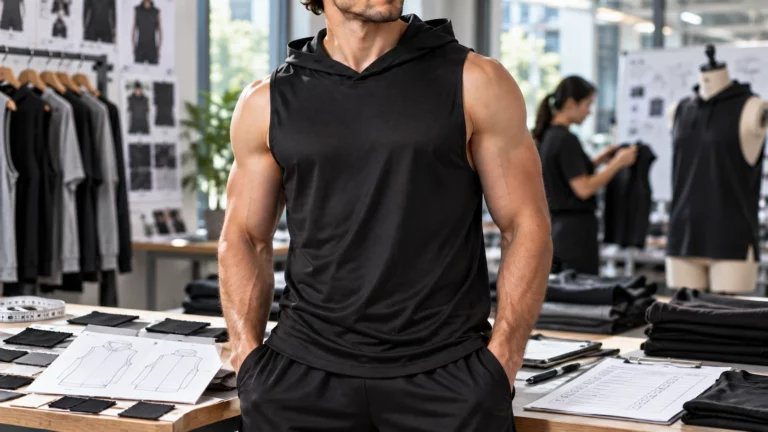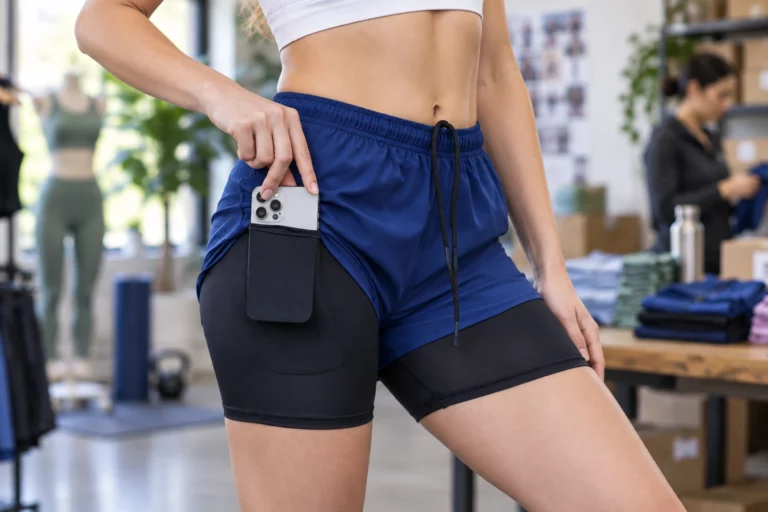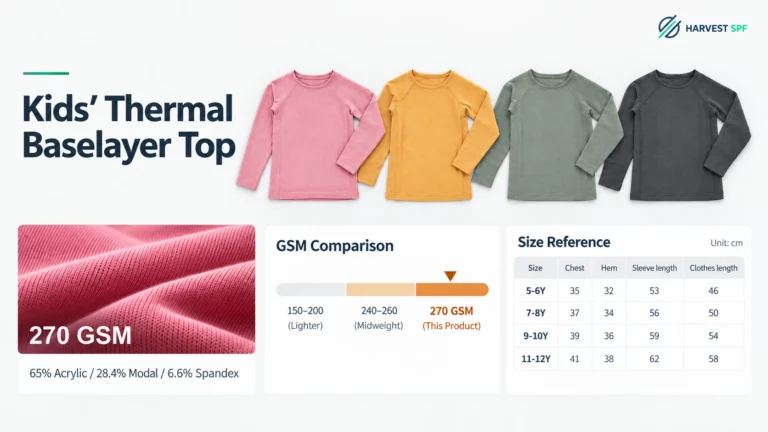

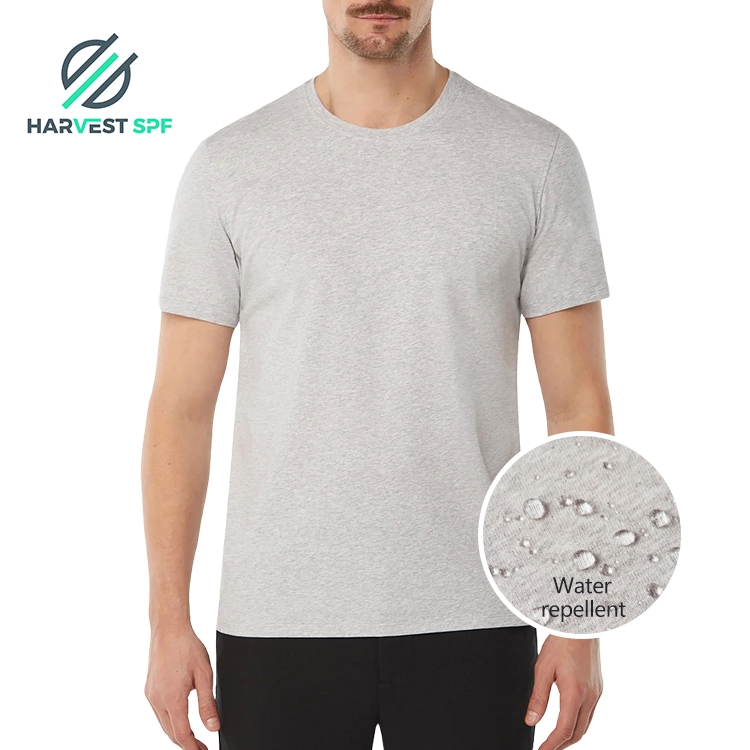
When light rain or even just stains from everyday life occur during warm weather, the water-repellent T-shirts are becoming more and more a necessity for fashion, travel, for daily business wear as well as for work out gear. As opposed to the usual wear for rainy days the shirts are not bulky. They provide protection for light rain and for spills as well as for most stains and still remain a normal T-shirt for warm weather.
This guide to making water-repellent T-shirts focuses on the combination of a functional water-repellent finish and a high-quality base fabric to create a performance garment that also looks good enough to wear every day. A water-repellent finish may make water bead on the surface of the fabric but the best water-repellent T-shirts are also soft, breathable, manage moisture, color fast, washable and affordable to make. This guide sets out the key stages of development and explains how to test out a range of different materials before settling on the ones that are right for different applications.
What Is a Water-Repellent T-Shirt? How It Works and Its Advantages
A water-repellent T-shirt or base layer is a treated or engineered knit garment that causes water to bead up and roll off the fabric surface instead of immediately penetrating into the yarns. Water-repellent garments are not waterproof. They are designed for short-term exposure to light rain, accidental splashes, and daily stains. If sweat-mark control is required, the garment should also be engineered with moisture-management, absorbent, or barrier-layer technologies depending on the target use.
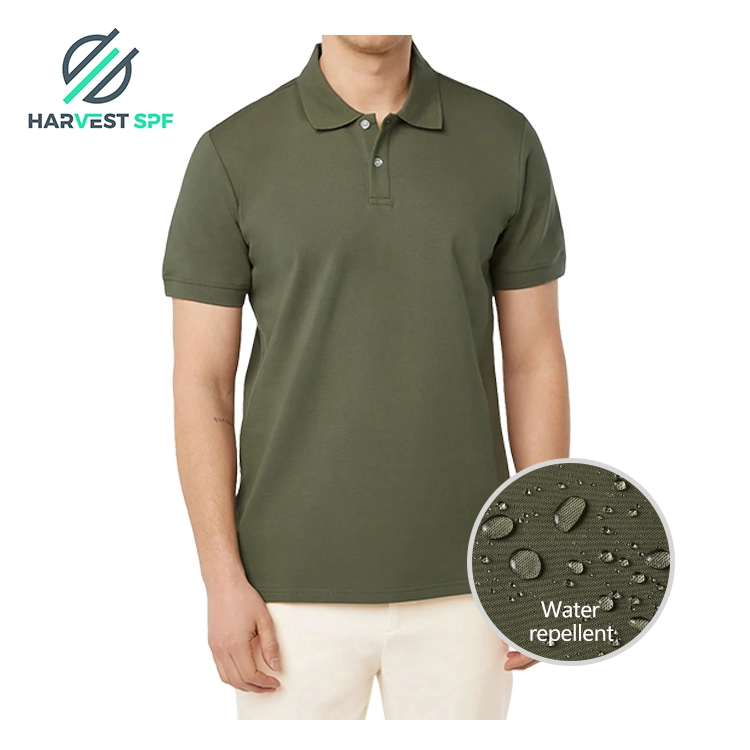
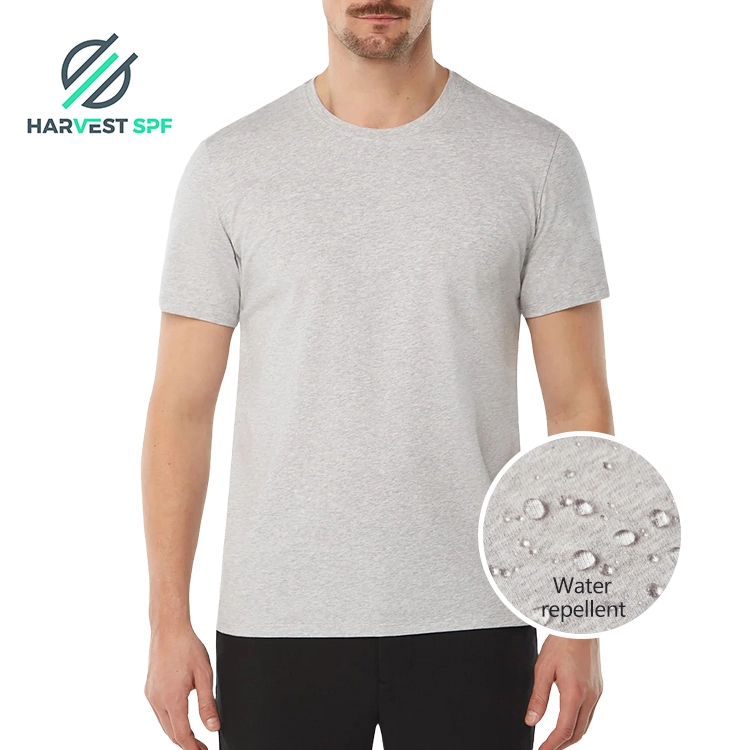
The effect usually comes from a surface finish, yarn selection, fabric construction, or a combination of these elements. When the surface energy of the textile is reduced, droplets have less ability to flatten and soak into the fabric. Liquid can roll away or be wiped off before deep absorption occurs.
A water-repellent T-shirt is suitable for everyday wear when the function is balanced with comfort. It can help reduce visible staining from light splashes and delay the point at which the shirt starts to feel wet or cling to the body. For performance apparel, this function can be combined with quick drying, breathability, stretch recovery, odor control, and sweat-management structures.
Important Points in Choosing Water-Repellent T-Shirts
A water-repellent T-shirt should be evaluated as a complete garment, not only as a treated fabric. In addition to fabric-level testing, brands should check three key areas: protection, comfort, and durability in repeated use. Protection should be evaluated through water-beading, stain-resistance, and light-rain simulation tests. Comfort should be assessed through breathability, stretch, weight, drape, and skin feel. Durability should be checked through repeated washing, seam construction, colorfastness, shrinkage, and finish stability over time.
How to Check Water-Repellent Performance
One of the simplest tests for visual evaluation is the water-drop test. A small amount of water is put on the surface of the fabric. As long as the single water drop remains round on the fabric surface and runs off immediately, the surface treatment has high repellency. If the water instead is spreading rapidly over the surface of the test specimen, this indicates a weak finish or an excessively absorbent construction.
A more reliable test for evaluation would be wash testing. This would involve testing a swatch before wash and after wash for the finished garment. Also the garment would be inspected on the following areas: on the chest, underarm, sleeve, shoulder and hem. This is because of possible problems with sewing, heat pressing and handling of the garment. For bulk orders this test should be done on the fabric that is used for production of the lot.
Material Characteristics and How to Choose
The material is the single biggest factor that determines the feel and performance of a water-repellent T-shirt. Polyester and nylon blended materials are fast drying, strong, wrinkle resistant and have good recovery so they hold their shape well. Cotton rich materials have a natural feel and look, casual and familiar. Materials made from modal and bamboo are soft and drape well. Merino blends are comfortable in cold weather and have good odor control, making them suitable for the outdoor and travel market.
The best fabric for an item to wear everyday as part of your lifestyle wardrobe could be cotton-polyester blend or even modal-spandex blend finished to be balanced. For your fitness/sport or yoga wear you will need stretch and recovery in your fabric, moisture movement and breathable knit structure. For travel lightweight jersey or interlock fabrics that dry quickly and have minimal wrinkling are ideal for the traveler. For your outdoor gear merino wool blends or even recycled synthetic blends that can handle changing seasons are a great choice.
Harvest SPF offers functional apparel development across eco-friendly daily essentials, outdoor and thermal base layers, fitness and yoga apparel, sweat-control undershirts, seamless garments, socks, and compression products.
Design Considerations by Use Case
Design determines whether the function of a product turns it into something wearable. For a water-repellent T-shirt for daily retail usage, this T-shirt should not look too technical. Simple crew necks, relaxed cuts, chest pockets, clean hems and neutral color-combinations make a garment wearable for daily usage by end customers. For workwear-inspired and office-casual products, a more dense fabric, a better collar construction, more muted colors and a stable silhouette between casual and wear-friendly on the one hand and more polished on the other hand.
For active scenes, the design should prioritize mobility through stretch knits, side vents, smooth seams, and lighter body fabric. For travel or uniform-related collections, wrinkle recovery, stain resistance, and durable washing results matter more than extreme technical claims.
Recommended Water-Repellent T-Shirt Development Directions
A product strategy starts with choosing the target category. A basic water-repellent tee can be positioned as an affordable everyday item. A premium summer essential can combine water repellency with the soft, natural hand feel customers expect in warm weather. A travel tee can combine quick drying, wrinkle resistance, and light stain protection. A performance tee or uniform tee should focus on sweat management, durability, consistent fit, and repeatable bulk production quality.
Harvest SPF supports customized functional apparel development, including fabric selection, tech pack refinement, sample development, trims, size development, and production planning. For cut-and-sew styles using in-stock fabrics, MOQs may start from around 300 pieces. For certain customized programs, 500 pieces per style may be required. Full development programs or special fabric routes usually require higher planning volumes.
Recommended Water-Repellent T-Shirts by Scene
Outdoor and Sports Scenes
For outdoor and sports T-shirts, the goal is to provide light water repellency without trapping heat. The fabric should move moisture away from the skin and dry quickly after sweating or light rain exposure. It should also maintain stretch recovery after repeated wear and washing. Breathable zones, smooth seams, and lightweight knitted fabrics can improve comfort during warm-weather sports.
Travel and Daily Use
For travel and everyday wear, easy care is one of the most important features. A good travel T-shirt should resist drink spills, pack easily, dry overnight, and keep its shape after washing. These features make it more practical for daily wear and repeat use.
Business Casual and Uniform-Inspired Wear
For office-casual, service, and uniform-inspired programs, water repellency supports a clean appearance through long workdays. The fabric should avoid excessive shine, and colors should remain consistent across production lots.
How to Care for Water-Repellent T-Shirts
Water-repellent performance depends on correct care. Gentle washing, mild detergent, and avoiding excessive fabric softener help protect the finish. Harsh chemicals, high heat, and aggressive tumble drying can reduce beading performance. Garments should be dried according to the care label.
For bulk production, care instructions should be written clearly before launch. Wash testing, shrinkage checks, seam inspection, and pre-shipment quality control should be included in the development plan.
FAQ
Are water-repellent T-shirts completely waterproof?
No. These Water-repellent T-shirts are to withstand light moisture, small amounts of water splashing etc. And for a short amount of time. Not for long in the rain. Or underwater.
Does water repellency reduce breathability?
A heavy finish can detract from it. A balanced approach to development from the start would include breathability, quick drying and skin comfort.
How long does the water-repellent effect last?
The durability of a garment is affected by several factors including the finish, fiber content, washing and the way the consumer cares for the garment. Before entering into bulk production garments should go through wash-cycle testing during the development stage.
How should brands test water-repellent T-shirts before bulk production?
Brands should test fabric swatches and finished garments before and after washing. Assessing for water-beading, light splash resistance, breathability, shrinkage, colorfastness, seam quality and finish, handle and overall fit of the garment after washing and repeated washing.
Harvest SPF supports apparel brands, retailers, and private-label collections seeking functional water-repellent T-shirt development with practical manufacturing pathways. The team can assist with fabric selection, function planning, tech pack refinement, sample development, logo options, trims, packaging, quality control, and bulk production.
Harvest SPF supports brands developing summer essentials, travel apparel, sweat-control tops, activewear, eco-friendly basics, and uniform-inspired programs. These programs are built around functional textiles, flexible customization, sustainable material options, and production-ready development support.
A water-repellent T-shirt program can start with a clear concept, proposed fabric, MOQ plan, and sample request. Contact Harvest SPF today to discuss your water-repellent T-shirt project, request samples, and start building a customized production plan for your brand.