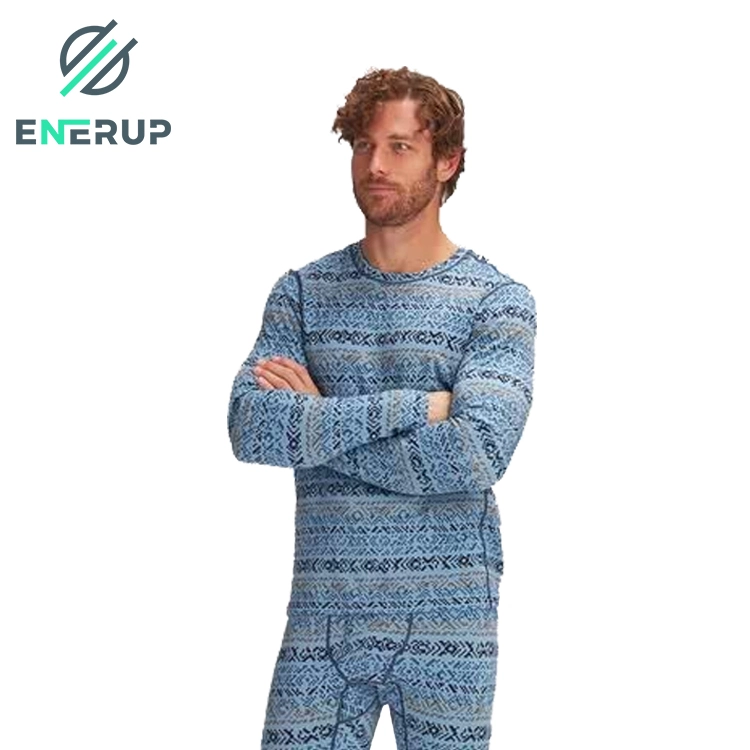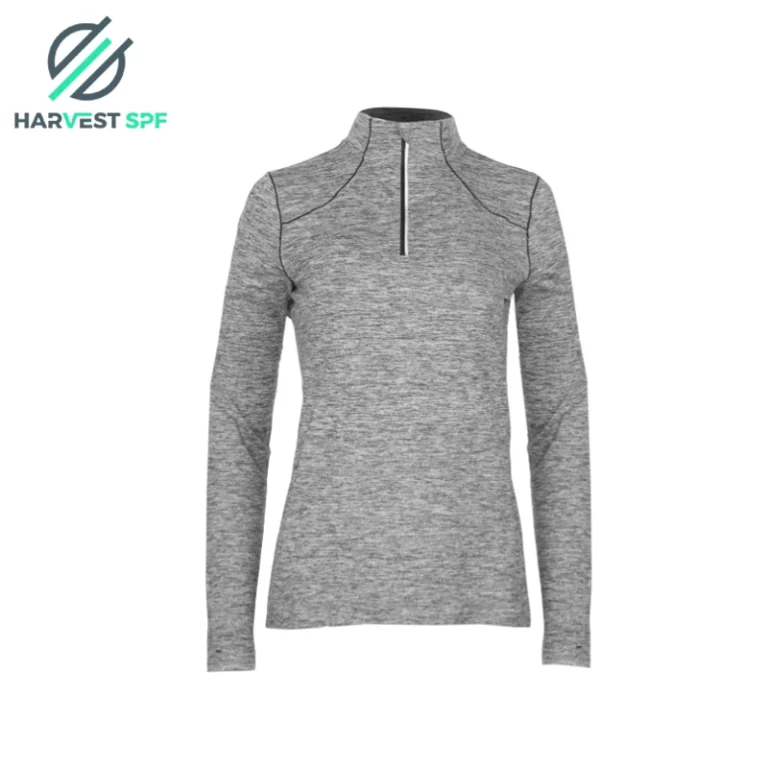

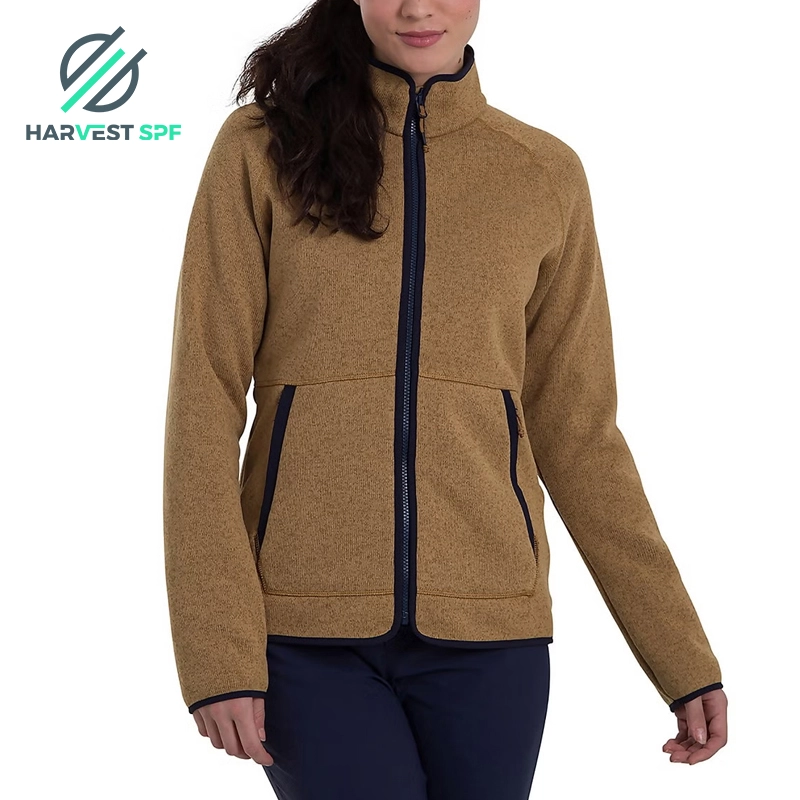
What is Fleece?
Fleece is a fabric made by people. It’s usually from polyester. Sometimes, it has a little cotton, rayon, or spandex mixed in. Even though it’s called fleece, it’s not wool at all. Instead, it works like wool to keep you warm. It’s soft, light, and cuddly. That makes it great for clothes in chilly weather. Don’t get fooled by the name. The fleece in your favorite hoodie or joggers isn’t wool. It’s mostly polyester, made from plastic.
How is Fleece Made?
Step 1: Polyester Fabric
The process starts with polyester. It comes from melted plastic. The plastic is turned into thin strings. These strings are spun into yarns. Then, the yarns are knitted or woven into flat fabric pieces.
Step 2: Napping Process
Next comes a special step called napping. A machine, called a napper, brushes or scratches the fabric’s surface. This makes the fibers stick out. That’s what gives fleece its fluffy, warm feel.
Step 3: Shearing
After napping, the raised fibers are cut evenly. This step is called shearing. It makes the fabric smooth and soft. That’s why fleece feels so nice and thick, which people really like.
Types of Fleece
Cotton or Cotton Blended Fleece
This type has a smooth outside and a soft, fuzzy inside. It’s used a lot for sweatshirts and sweatpants.
Polyester Fleece
Polyester fleece has a shiny, smooth side. It’s good at keeping water away. That’s why folks like it for activewear. It pulls sweat off your skin.
Lycra Spandex Fleece
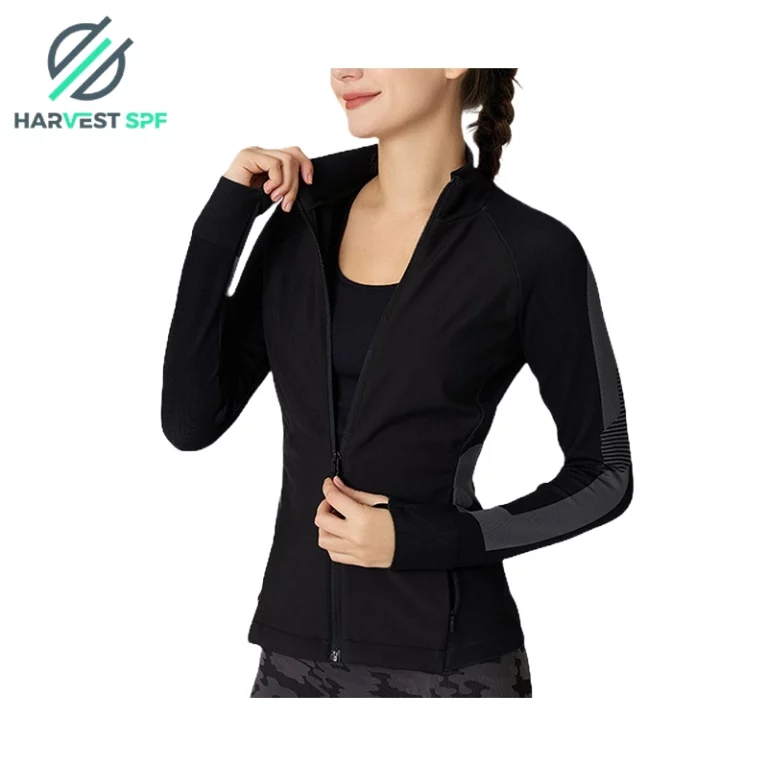
Mixing Lycra spandex with cotton makes stretchy fleece. It’s awesome for tight clothes, like women’s workout gear.
Microfleece
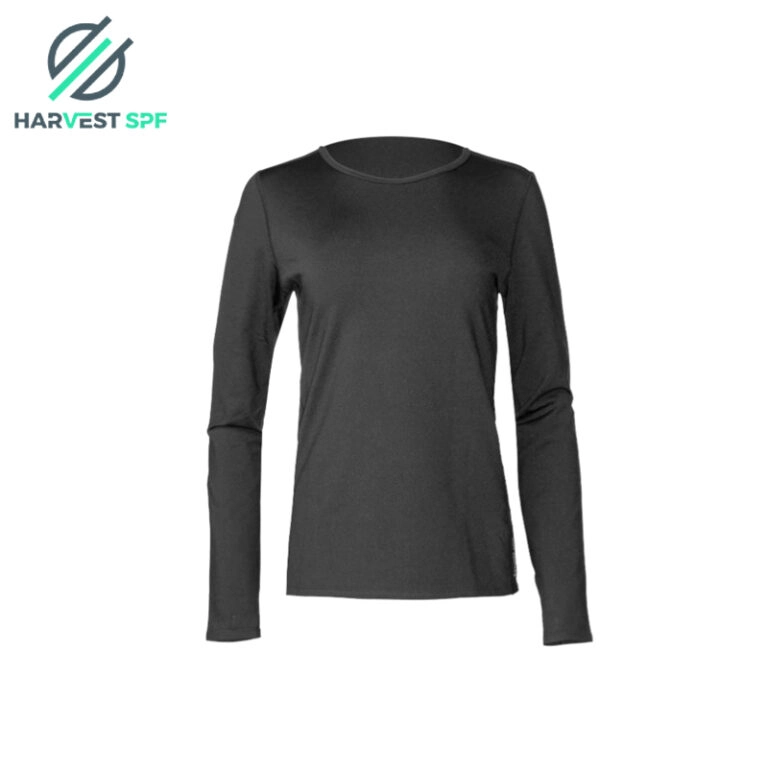
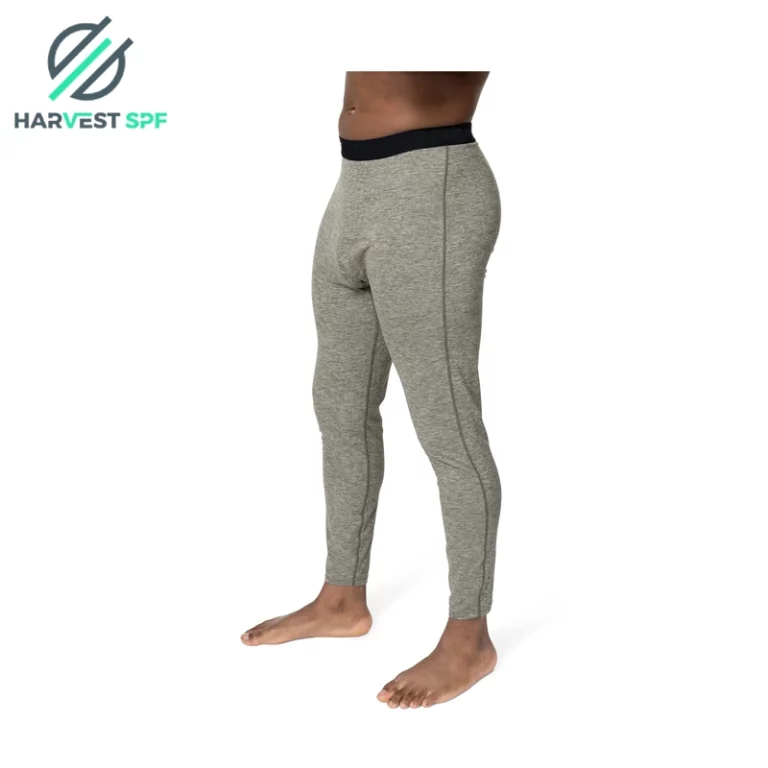
Microfleece is thin and soft on both sides. It’s very light and moves sweat away well. This makes it perfect for base layers.
Polar Fleece
Polar fleece is thicker than microfleece. It keeps you really warm. You’ll see it in jackets or blankets.
French Terry Fleece
French terry fleece isn’t brushed on either side. So, it’s not as fluffy as other fleeces. It feels lighter and flatter.
Slub Fleece
Slub fleece uses yarns of different sizes. This gives it a bumpy, neat look.
Sherpa Fleece
Sherpa fleece is 100 percent polyester and very fluffy. It feels like wool and keeps you super warm.
Coral Fleece
Coral fleece has thick fibers that stop water and soak up sweat. It’s really soft and tough. That’s why it’s great for winter clothes and kids’ stuff.
Technical Specifications of Fleece
GSM (Grams per Square Meter)
GSM shows how heavy a fabric is:
- Lightweight (100–200 GSM): Great for workout clothes.
- Midweight (200–300 GSM): Good for casual stuff like hoodies.
- Heavyweight (300+ GSM): Used for outerwear to keep you super warm.
Breathability
- High: Microfleece and polyester fleece let air flow nicely.
- Okay: Cotton blends let some air through.
- Low: Sherpa and polar fleece hold in heat but don’t let much air pass.
Thermal Insulation Ratings
TOG ratings tell how warm a fabric is:
- Low (0.5–1.5 TOG): Microfleece.
- Medium (1.5–3.5 TOG): Cotton blends.
- High (3.5+ TOG): Polar fleece & Sherpa.
Benefits of Fleece
Warmth
Fleece’s fluffy fibers make little air pockets. These hold your body heat. So, you stay warm.
Moisture Wicking
Fleece pulls sweat away from your skin. This keeps you dry when you’re exercising hard.
Durability
Fleece is tough because of the napping and shearing steps. It lasts a long time.
Cost-Effectiveness
Man-made fleece is cheaper than wool. This makes it a smart pick for your budget.
Sustainability
Fleece can be made from recycled polyester. This is a green choice that helps the planet.
Uses of Fleece in Sportswear
Fleece is really useful in sportswear. It works in many ways.
Outerwear
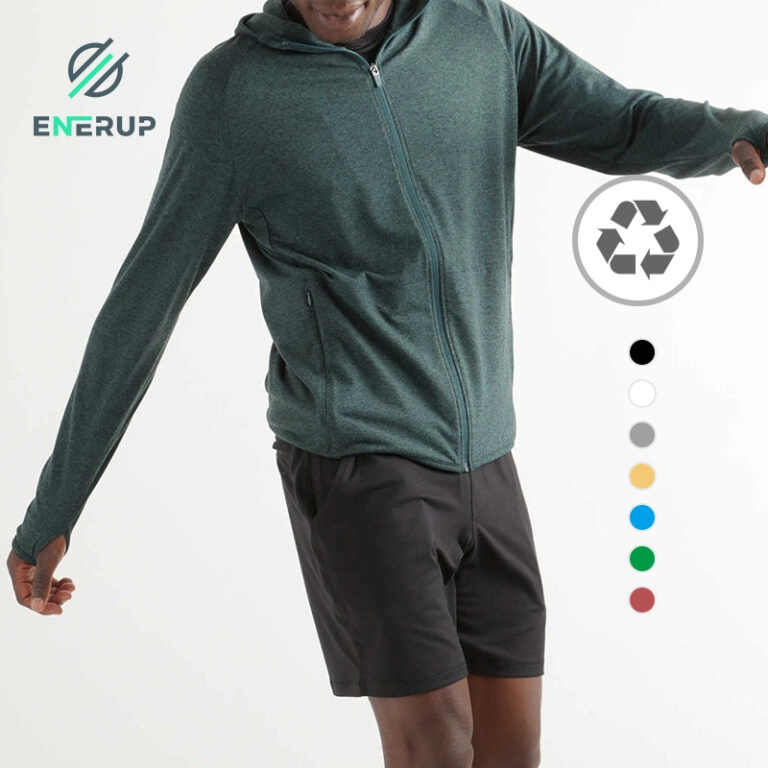
Hoodies, jackets, and vests made of fleece keep you safe from cold weather. They make you feel cozy and warm.
Performance Wear
Fleece keeps athletes dry and comfy during workouts. It’s important for training or outdoor fun.
Casual Wear
Fleece clothes are awesome for relaxing, running errands, or hanging out outside. Their soft feel makes them really comfy.
Durability
The fibers are made strong during napping and shearing. This makes fleece clothes tough. They work well for both active and chill use. Low-pill technology, used when making them, stops them from getting lumpy.
Fleece vs. Wool
Fleece and wool both keep you warm, but they’re different in some ways:
Weight
Fleece is lighter than wool. This makes it better for layering without feeling heavy.
Cost
Fleece is less expensive because it’s man-made. Wool, which comes from animals, costs more.
Maintenance
Fleece clothes are usually okay to wash in a machine. Many wool types need special care, like hand washing or dry cleaning.
Variety
Fleece comes in lots of textures and looks. This gives sportswear brands more ways to design for different people.
Similarities between fleece fabric and wool
Both fleece and wool keep your body at a nice temperature. They trap air in their fibers, which makes them warm. This makes them great for outdoor clothes where staying warm matters most.
FAQ
Is all fleece synthetic?
Most fleece you buy is man-made. But some have natural fibers, like cotton or bamboo-based lyocell, depending on what it’s used for.
Does fleece shrink?
Not usually. Polyester-based fleece doesn’t shrink much if you wash it in cool water.
Can I customize my own fleece sportswear?
Yes! If you have ideas for designs, our friendly team can give helpful tips. We can also make Tech packs if you need them.
Custom Fleece Sportswear Manufacturer – Harvest SPF
Harvest SPF offers full OEM & ODM services. They include custom designs with green, useful fabrics. Started in 1993, Harvest SPF follows the idea of “Dress for Health, Dress for Energy.”
They handle everything from spinning yarn to finishing clothes. They help customers all over the world with low MOQs, starting at 500 pcs per style/color/size. Their main buyers are big stores, Amazon sellers, and D2C brands. These focus on new, useful clothing and green solutions.
Their products include breathable cycling jerseys, light but strong thermal gear, merino wool socks, and seamless bamboo lyocell underwear. All are made for comfort and performance. Contact us for quick quote now.