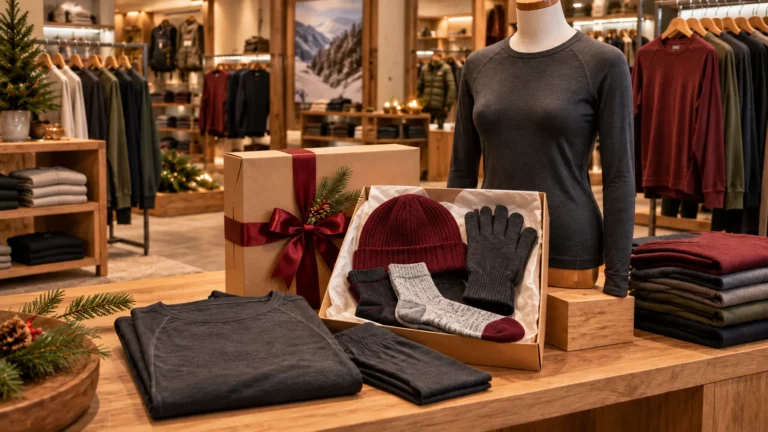

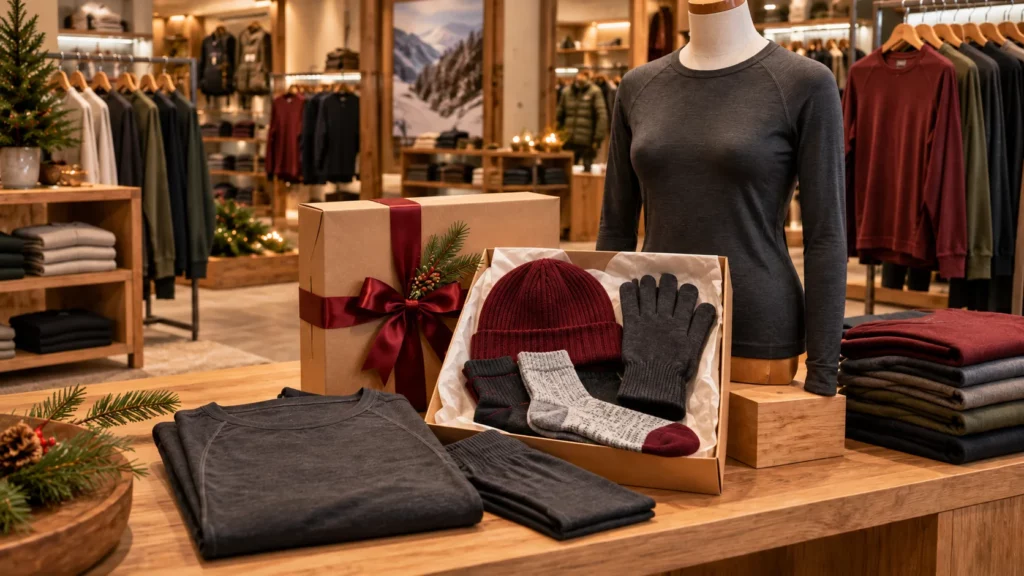
A holiday merino gift program should be planned as a coordinated product system, not as four unrelated winter items. For retailers, outdoor brands, corporate gifting providers, and promotional distributors, the main OEM challenge is aligning materials, sizing, colors, decoration, packaging, minimum order quantities, and delivery schedules across socks, beanies, gloves, and base layers.
The practical starting point is to define the recipient and bundle structure before selecting individual styles. Once the program architecture is clear, buyers can validate materials, samples, packaging, and production capacity with an experienced merino apparel manufacturer such as Harvest SPF.
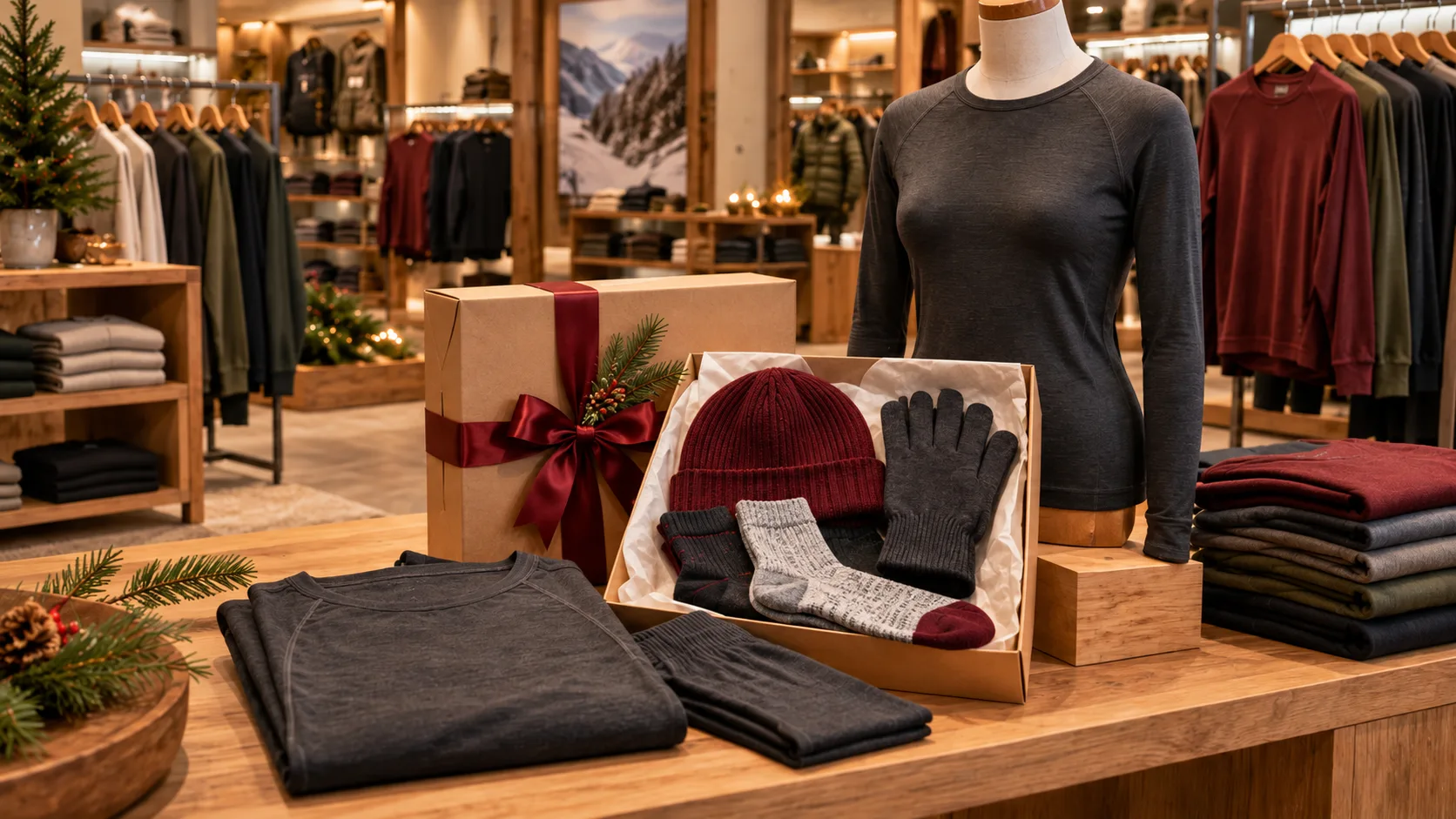
Build the Gift Program Before Selecting Individual Products
Plan the program as one coordinated system: Recipient -> Gift Tier -> Product Combination -> Material Strategy -> Color/Branding -> Size Architecture -> Packaging -> Target Cost -> MOQ -> Critical Path. This keeps product selection, sizing, packaging, and delivery decisions connected from the beginning.
Holiday Gift Program Matrix
| Gift Program | Product Direction | Key Priority |
| Corporate Gift | Socks + Beanie | Universal sizing and branding |
| Premium Corporate | Socks + Beanie + Gloves | Presentation and function |
| Outdoor Gift | Hiking Socks + Beanie + Gloves | Warmth and outdoor use |
| Premium Outdoor | Socks + Beanie + Gloves + Base Layer | Performance and premium value |
| Employee Winter Kit | Accessories + optional base layer | Size management and cost |
| VIP Gift | Full coordinated set | Material, packaging and presentation |
Build Good / Better / Best Gift Tiers
- Essential: Socks + Beanie.
- Premium: Socks + Beanie + Gloves.
- Signature: Socks + Beanie + Gloves + Base Layer.
Use the target gift budget or retail positioning to work backward toward the allowable landed cost and product combination rather than selecting four products first and costing the bundle afterward.
Define the Recipient and Gift Scenario First
The same bundle will not suit every holiday campaign. A commuter gift set may combine fine-gauge socks, a lightweight beanie, liner gloves, and a light base-layer top. A ski or outdoor bundle may require cushioned socks, a warmer hat, more protective gloves, and a heavier base layer. Corporate programs may prioritize neutral colors, inclusive sizing, and understated branding.
Prepare a product brief covering:
- Recipient profile and intended gender positioning
- Retail, corporate, promotional, or employee-gifting channel
- Indoor, commuting, travel, hiking, skiing, or workwear use
- Expected climate and layering conditions
- Target retail price and allowable landed cost
- Required logo or private-label treatment
- Gift-box dimensions and presentation requirements
- Quantity by style, color, and size
- Required delivery date and destination market
This brief gives the OEM manufacturer a practical basis for recommending constructions and materials. It also prevents a frequent sourcing problem: choosing attractive individual products that do not function or look coherent as one gift set.
Build a Coordinated Four-Product Bundle
Each item should have a defined role within the program. Buyers can offer all four products in one premium bundle or create several price tiers using different combinations.
Socks as the accessible entry product
Socks are often the easiest item to standardize because they occupy little packaging space and have simpler sizing than fitted garments. Depending on the recipient, the program could use business socks, crew socks, hiking socks, or long ski socks.
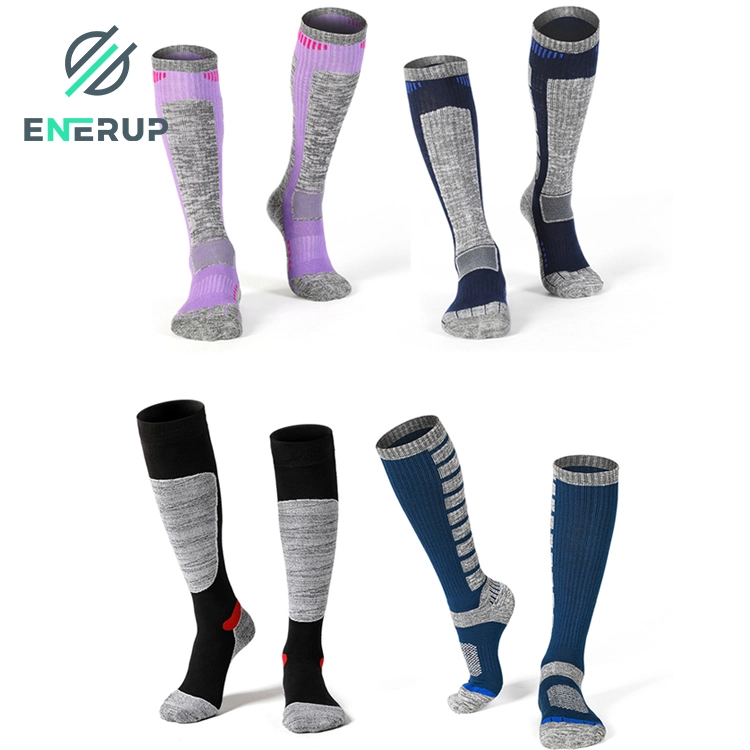
Specify shaft height, cushioning zones, toe construction, elastic support, size range, logo method, color placement, and intended footwear. Harvest SPF offers several merino wool sock categories for business and outdoor applications.
Do not treat “merino socks” as a complete specification. The final hand feel, warmth, stretch, and durability depend on the yarn, fiber blend, knitting structure, reinforcement, and finishing. These details should appear in the approved tech pack and reference sample.
Beanies as the visual anchor
A beanie is frequently the most visible part of a winter gift set. It can establish the program’s seasonal color story and carry an embroidered logo, woven label, jacquard pattern, or other restrained brand detail.
Important decisions include head circumference, knit gauge, crown shape, cuff height, yarn composition, stretch recovery, and whether the style is intended for casual or active use. Harvest SPF’s merino wool beanie range provides a relevant starting point for style development.
Use the same approved color references for the beanie, socks, gloves, packaging, and logo decoration. A consistent palette makes the bundle look deliberate even when its components require different yarns or constructions.
Gloves as the fit and function checkpoint
Gloves introduce more fit risk because finger length, palm width, cuff recovery, dexterity, and touchscreen requirements all influence usability. Buyers should first decide whether they need lightweight liners, everyday knit gloves, or a warmer outdoor style.
If recipients must operate phones, tools, or vehicle controls, define the required function before sampling. Touchscreen performance, for example, should be tested on the proposed production construction rather than assumed from a material description.
Harvest SPF presents merino wool glove options that can be reviewed for coordinated programs. The buyer should approve grading and measurement tolerances across all required sizes because inconsistent glove fit can weaken the overall gift experience.
Base layers as the premium component
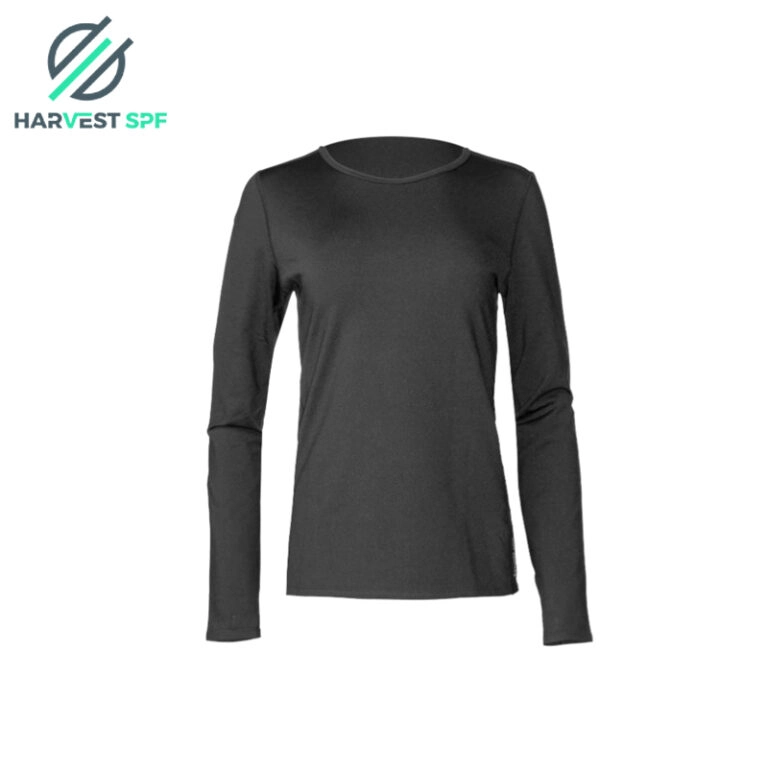
Depending on the product design and target price, a base layer can contribute significant perceived value to the gift bundle, but it also requires detailed fit planning. The program may include a long-sleeve top, leggings, briefs, or a coordinated top-and-bottom set.
The specification should identify fabric composition, weight, stretch, seam placement, neckline, sleeve length, hem treatment, measurement tolerances, and intended layering position. Review the merino wool base layer collection and separate men’s, women’s, children’s, or unisex requirements where appropriate.
For mixed recipient groups, consider placing universally sized accessories in the main gift box while treating the base layer as a separately sized module. This can simplify inventory allocation and reduce the risk of delivering an otherwise valuable gift with the wrong garment size.
Four-Product Planning Matrix
| Product | Main Role | Main OEM Risk | Sizing Complexity | Packaging Impact |
| Socks | Entry / utility | Yarn, cushioning, size | Low-Medium | Low |
| Beanie | Visual anchor | Color, shape, recovery | Low | Low |
| Gloves | Fit and function | Fit, dexterity, touchscreen | Medium-High | Medium |
| Base Layer | Premium value | Fit, fabric, performance | High | High |
Standardize Materials, Colors, and Branding
Merino wool should be treated as a material family rather than a single specification. Fiber content, blend ratio, yarn structure, fabric weight, knit construction, finishing, and garment design all affect the final product.
Begin by defining the performance objective. Is the priority softness, warmth, moisture management, durability, easy care, price control, or a balance of several factors? The answer will help the manufacturer recommend an appropriate fabric or yarn option.
Harvest SPF identifies merino wool among the materials available within its customization process. Buyers should confirm the actual composition and supporting documentation for every approved product. Any certification, recycled-content, responsible-sourcing, or performance statement used in marketing must be verified against the final material and order records.
A shared color board should include:
- Main and secondary product colors
- Heather or marl effects
- Logo thread and embroidery colors
- Woven or printed labels
- Gift-box artwork and inserts
- Tissue, wrap, or internal packaging
- Carton marks and SKU labels
Traditional holiday colors can create a seasonal presentation, but charcoal, navy, oatmeal, burgundy, and forest tones may remain commercially useful after the holiday period.
One Merino Story Does Not Require One Identical Material
The four products may require different merino percentages, blends, yarns, fabric weights, and knit structures. Socks may prioritize durability and reinforcement; beanies softness and recovery; gloves dexterity and function; and base layers next-to-skin comfort, moisture management, and stretch. The goal is a coordinated material, color, and brand story rather than forcing one identical construction across the bundle.
Merino Specification Matrix
| Product | Material Variables to Define |
| Socks | Merino %, yarn, reinforcement, cushioning, elastic |
| Beanie | Merino %, yarn count, gauge, recovery, hand feel |
| Gloves | Merino %, yarn, stretch, palm/finger construction |
| Base Layer | Merino %, fiber fineness where relevant, GSM, knit, stretch, finish |
Define Fiber Fineness Where It Matters
For next-to-skin products or other styles where softness is commercially important, specify fiber fineness where relevant together with blend, yarn construction, and finished hand feel. Do not assume one micron value is appropriate for every product or price position.
Coordinate Color – Do Not Assume Perfect Cross-Material Matching
Use one master color standard, then approve product-specific yarns, lab dips, or samples. Different blends, yarn structures, knit densities, and surface textures may produce different visual results even against the same color reference. The practical objective is a commercially coordinated appearance within buyer-approved tolerances.
Create One Branding System Across Different Constructions
Define primary branding (for example, the gift box), secondary branding (such as beanie or base layer), and subtle branding (such as socks or gloves). Control logo artwork, method, thread/print color, size, position, and approved sample so the bundle feels coordinated rather than over-branded.
Verify Claims at Product Level
Certification, responsible-sourcing, recycled-content, and performance claims should be verified for the specific product and material to which they apply rather than automatically extended to the entire gift bundle.
Plan MOQ and Sampling at SKU Level
A four-product bundle can expand into many style-color-size combinations. Buyers should therefore calculate minimum order quantities at SKU level rather than looking only at the total number of gift boxes.
Harvest SPF’s ODM/OEM customization process lists indicative minimums for different production routes, including cut-and-trim, full-package ODM, seamless garments, and socks. Because requirements may vary by material, style, color, and size, buyers should reconfirm the applicable MOQ during quotation.
Build the Size Architecture Before Packaging
Beanies may be one-size, while socks, gloves, and base layers can each use different size systems. Decide early whether the program will use a fixed bundle, a universal accessory box with a separately sized base-layer module, or a pick-and-pack model in which the recipient selects sizes before fulfillment.
Control Bundle SKU Proliferation
Planning tool: Bundle SKUs = Color Options x Accessory Size Combinations x Base-Layer Size Options x Fit/Gender Options. Do not multiply size-dependent products unless the commercial value justifies the resulting inventory and fulfillment complexity.
The Bundle MOQ Is Controlled by All Required Components
The commercially viable bundle quantity must satisfy the MOQ structure of every required product and packaging element. Evaluate MOQ by product, construction, color, and size rather than treating the total number of gift boxes as the only minimum.
Plan MOQ Imbalance and Excess Components
- Keep excess components for replenishment.
- Sell suitable accessories separately.
- Use excess components in another gift tier.
- Adjust bundle quantity, colors, or size architecture before the PO is placed.
A controlled development schedule should include:
- Bundle concept and target-cost confirmation
- Material, color, and decoration selection
- Tech-pack and size-specification review
- Prototype sampling
- Fit, function, and packaging evaluation
- Revised or pre-production sample approval
- Quantity and size breakdown confirmation
- Production, inspection, packing, and shipment
Base layers may require multiple fit revisions. Gloves may need function and grading checks. Socks and beanies may move faster but still require yarn, logo, and color approval.
Holiday Gift Program Approval Gates
| Gate | Main Approval |
| 1. Program Architecture | Recipient, tier, product combination, target cost |
| 2. Material & Color | Merino architecture, master color direction |
| 3. Individual Product Samples | Construction and workmanship |
| 4. Fit & Function | Sizing, glove function, base-layer fit |
| 5. Branding | Logo methods, artwork and placement |
| 6. Full Packaging Mock-Up | Actual products inside final-format packaging |
| 7. Pre-Production Bundle | Final material, labels, sizes and packaging |
| 8. Bulk Release | Approved program released to production |
After individual products pass their approval gates, review the assembled gift-set sample before bulk release.
Design Packaging Around Size Management
Packaging must accommodate the physical volume of knitted products and the sizing logic of the program. A practical format is a universal accessory box containing socks, a beanie, and gloves, combined with a separately labeled base-layer module.
The packaging specification should cover product folding, paper wrap or polybag requirements, size stickers, barcode positions, care information, inserts, box dimensions, carton quantity, and shipping marks. Request a packing sample using actual products. Bulky knits can change the required dimensions, while excessive compression may affect presentation when the recipient opens the box.
If the gift set will be sent directly to individual recipients, confirm whether the factory will pack by recipient size, master SKU, or distribution location. This decision affects labeling, inventory control, carton planning, and fulfillment accuracy.
Approve the Complete Gift Experience Before Bulk
- Closed box: confirm dimensions, appearance, labeling, and presentation.
- Opened box: confirm product arrangement, color coordination, inserts, and branding.
- Products removed: confirm folds, size identification, labels, and component accuracy.
- Packing condition: check compression, tissue/wrap, barcode position, and presentation after handling or transport simulation where relevant.
Optimize Gift Presentation Against Shipping Volume
At packaging mock-up stage, review gift-box dimensions and gross weight together with master-carton quantity and dimensions. Bulky knit products can increase carton volume and dimensional shipping cost, especially for air freight, DTC gifting, and direct-to-recipient programs.
Define the Fulfillment Model Early
| Fulfillment Model | Planning Impact |
| Bulk to retailer warehouse | Standard master-carton and warehouse requirements |
| Bulk to corporate client | Department or location allocation |
| Direct to individual recipient | Recipient size/order accuracy and fulfillment coordination |
| Marketplace / DTC | Channel-specific labeling, prep, and unit presentation where required |
The fulfillment model should be confirmed before finalizing packaging because it affects SKU architecture, barcodes, packing labor, inventory allocation, and carton planning.
Establish Product and Bundle-Level Quality Checks
Inspection should cover each product and the assembled gift set.
For socks, review dimensions, pair matching, toe closure, cushioning, elastic recovery, and logo position. For beanies, check knit consistency, cuff shape, labeling, loose yarns, and recovery. For gloves, verify finger dimensions, seam integrity, cuff fit, and any required touchscreen function. For base layers, inspect measurements, seam comfort, shrinkage, pilling, spirality, and color variation.
The assembled bundle should also be checked for:
- Correct product and size combination
- Consistent colors and branding
- Accurate care and composition labels
- Clean folding and presentation
- Correct barcode and SKU identification
- Packaging damage or excessive compression
- Correct carton quantity and shipping marks
Keep a sealed approval sample containing the final material, trims, labels, decoration, and packaging. It provides a common reference for inspection and future replenishment.
Two-Level Holiday Gift QC
Level 1 – Product QC: inspect socks, beanies, gloves, and base layers against their individual approved specifications. Level 2 – Bundle QC: verify the correct component combination, sizes, coordinated appearance, branding, labels, barcode/SKU identity, presentation, and carton data. A bundle can fail even when all four individual products pass inspection.
Create a Bundle BOM
Map each Bundle SKU to its required Component SKUs and quantities. Example: HG-001-M -> Sock SK01-L x1; Beanie BN01-OS x1; Glove GL01-M x1; Base Layer BL01-M x1; Box BX01 x1; Insert IN01 x1. Use the bundle BOM as a packing and reconciliation control.
Build the Holiday OEM Timeline and Controls
The Slowest Component Controls the Gift Program
| Component | Sample Approval | Material Ready | Bulk Ready | Packing Ready |
| Socks | Buyer to review and approve the proposed yarn, construction, size range, colors, branding, and reference sample, as applicable. | Confirm final material composition, approved colors, labels, quantities, and availability with SPF before production. | Release for bulk production only after sample approval, size breakdown, applicable MOQ, and production schedule are confirmed. | Confirm folding, size identification, labeling, barcode, carton details, and gift-set placement according to the approved packing specification. |
| Beanie | Buyer to review and approve the proposed knit structure, shape, fit, colors, branding, and reference sample, as applicable. | Confirm final yarn composition, colors, labels, trims, quantities, and availability with SPF before production. | Release for bulk production only after sample approval, quantity breakdown, and production schedule are confirmed. | Confirm folding, logo presentation, labels, inserts, carton details, and gift-box placement according to the approved packing specification. |
| Gloves | Buyer to review and approve the proposed construction, sizing, fit, colors, and any required functional features, as applicable. | Confirm final material, colors, labels, functional details, quantities, and availability with SPF before production. | Release for bulk production only after fit or function review, size breakdown, applicable MOQ, and production schedule are confirmed. | Confirm pair matching, size identification, labeling, barcode, carton details, and gift-box placement according to the approved packing specification. |
| Base Layer | Buyer to review and approve the proposed fabric, weight, stretch, fit, size range, construction, and reference sample, as applicable. | Confirm final fabric or yarn composition, colors, trims, labels, quantities, and availability with SPF before production. | Release for bulk production only after fit approval, measurement requirements, size breakdown, applicable MOQ, and production schedule are confirmed. | Confirm folding, size stickers, care and composition labels, barcode, inserts, and box fit according to the approved packing specification. |
| Gift Box | Buyer to review and approve the proposed dimensions, artwork, structure, inserts, materials, and packing mock-up using representative products. | Confirm packaging material, artwork, printing details, inserts, quantities, and supplier availability before production. | Release packaging production only after artwork, dimensions, quantities, and packing requirements are confirmed. | Confirm final packing arrangement, barcode position, carton details, shipping marks, and handling requirements according to the approved packing specification. |
The items above are project planning and buyer confirmation points. Final specifications, material availability, applicable MOQ, production timing, packaging requirements, inspection arrangements, and shipment dates are subject to product details, approved samples, SPF quotation, and the confirmed production schedule.
Build the Holiday OEM Calendar Backward
Work backward from the required recipient or warehouse delivery date. Confirm the timing for fulfillment, delivery, customs, freight, final inspection, gift packing, component production, pre-production sample approval, sampling, and material or packaging development. The latest feasible program start depends on the slowest approved milestone.
Establish a Program Freeze Date
After the agreed program-freeze date, changes to color, logo, packaging, size architecture, or product combination should be evaluated for their effect on materials, MOQ, sampling, packaging, and delivery before approval.
How Harvest SPF Supports Multi-Product Merino Gift Programs
- Program Architecture: coordinate bundle tiers, product combination, size architecture, and target cost.
- Merino Material Development: align yarn, blend, knit, fabric, and product-specific performance needs.
- Multi-Product Development: coordinate socks, beanies, gloves, and base layers under one program.
- Color & Branding Coordination: manage shared standards and product-specific approvals.
- Sampling & Full-Bundle Approval: connect individual samples with the assembled gift-set mock-up.
- MOQ / SKU Planning: identify component minimums, size complexity, and excess-inventory risk.
- Packaging Development: validate presentation, volume, labeling, and fulfillment requirements.
- Production, QC & Shipping Coordination: manage component readiness, bundle QC, packing, and delivery.
Conclusion
An effective holiday merino gift program connects product selection with practical OEM controls. The buyer must define the recipient, give each item a clear role, manage size and color combinations, verify materials, approve functional samples, and plan packaging early enough to protect the delivery schedule.
Socks, beanies, gloves, and base layers can form a coherent premium bundle, but the final result depends on documented specifications and coordinated approvals—not on the merino label alone.
FAQs
Which products usually require the most development?
Base layers generally require the most fit work, while gloves can require additional grading and function testing. The actual timeline depends on the selected design and material.
How should buyers calculate MOQ?
Calculate MOQ by product, construction, color, and size according to the manufacturer’s rules. Then compare those requirements with the planned number of complete bundles.
What should be included in the first OEM inquiry?
Provide the intended application, product combination, material preference, colors, size breakdown, artwork, quantities, packaging concept, destination, and required delivery date.
Do all products in a merino gift set need the same merino percentage?
No. Different products may require different material architectures. The material story should be coordinated, but each product should use a specification suited to its function, comfort, durability, and cost requirements.
How can brands reduce sizing complexity in a holiday gift bundle?
Use universally sized accessories in the main gift box and treat the base layer or other fitted garment as a separately sized module. Pick-and-pack fulfillment can also be considered when recipient sizing is known before shipment.
Which component determines the production lead time?
The critical-path component is the one whose material, approval, production, or packaging readiness occurs latest and therefore controls when final gift-set packing can begin.
Get a Holiday Merino Gift Program Feasibility Review
Share the recipient/channel, target gift tier or budget, product combination, merino preference, color direction, branding artwork, quantity, size structure, packaging concept, destination, and required delivery date.
Harvest SPF can use this information to review product compatibility, SKU complexity, MOQ feasibility, material strategy, packaging requirements, critical-path risks, and sampling needs.