
Selecting the right yogawear manufacturer is a critical step in activewear product development. Yoga clothing must combine comfort, stretch, coverage, breathability, durability, and reliable shape recovery. These requirements make yogawear more technically demanding than ordinary casualwear because the garment must perform during movement, stretching, washing, and repeated wear.
A capable supplier should understand performance fabrics, ergonomic patterns, supportive construction, sampling, quality control, customization, and bulk production. The following eight tips provide a practical framework for evaluating a yogawear manufacturing partner.
1. Evaluate Industry Experience and Yogawear Expertise
General garment experience does not always equal activewear expertise. Yogawear requires specialized knowledge of stretch materials, compression, flat seams, waistband construction, movement-based fitting, and fabric recovery.
Relevant experience may include yoga leggings, sports bras, running shorts, tank tops, moisture-wicking performance tops, seamless undergarments, compression wear, and lightweight technical training tops. Product samples, technical specifications, factory production equipment, and the expertise of pattern cutters and production teams further illustrate strong category expertise.
An experienced manufacturer should have knowledge of some common problems in the manufacturing of yoga clothing, such as see-through leggings, rolling waistbands, discomforting seams and bands, instability of straps, poor sizing, and wrinkled materials post-washing.
2. Examine Fabric and Functional Material Capabilities
The Fabric forms the backbone of performance in yogawear. A good manufacturer would supply material that is Four Way stretch, Moisture wicking, Quick drying, Breathable, Soft, Compression, Shape Retaining, Pilling resistant, and Colorfast.
Testing of fabric should consist of its Weight, Fiber content, Stretch percent, Recovery ratio, Shrinkage, Opacity, Abrasion resistance, and Surface Texture. Moreover, fabric must be tested on high stretch and on being washed multiple times. Also for legwear, opaqueness should be tested under stretch.
Stock fabric enables suppliers to accelerate development and lower minimum order quantities. Custom-knitted, dyed, printed, or finished fabrics usually require higher order volumes and longer production cycles. Suppliers should clearly outline the cost, functional performance, availability, and lead time of each fabric option.
3. Review Product Quality and Quality-Control Systems
A quality-focused yogawear manufacturer should monitor production through inspections covering incoming fabric checks, color approval, fabric relaxation, cutting, in-line sewing audits, measurement verification, final inspection, and packaging confirmation.
In addition to standard yogawear tests, a range of product-specific assessments is also required. For example, leggings should be tested for opacity, waistband performance, seam integrity, pilling resistance, stretch and recovery, and long-term shape retention. Sports bras should be tested for support, coverage, strap stability, underband comfort, and edge construction. Seamless garments should be tested for consistent knitting tension, precise compression placement, and accurate sizing. Fit testing on real body movement or fit models is also important because yogawear must perform during stretching, bending, and compression.
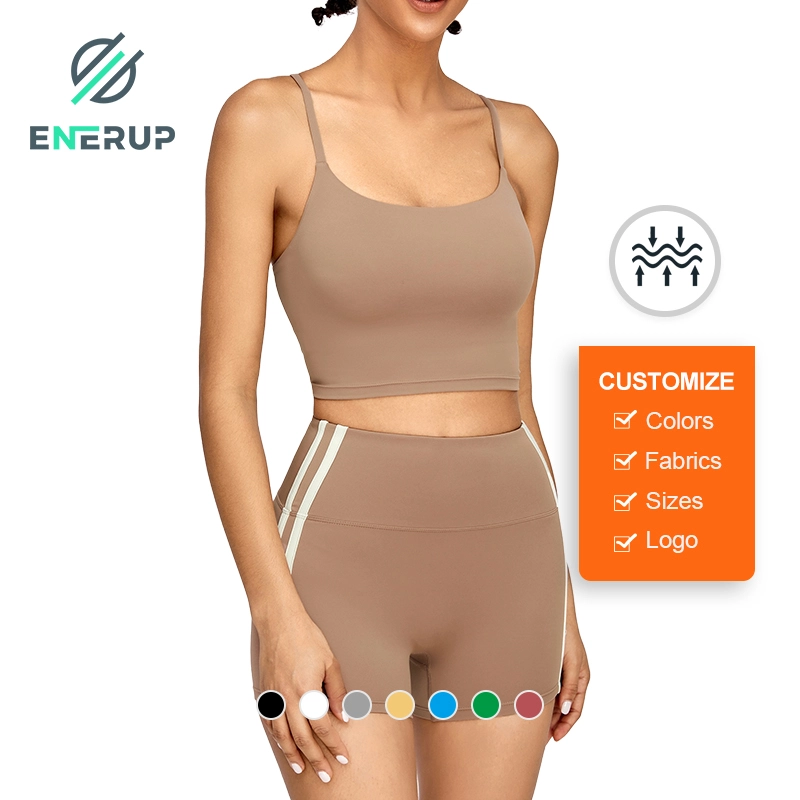
4. Confirm OEM, ODM, and Customization Capabilities
Every project needs different amounts of support. While some projects can start with full technical packages, others can be initiated with sketches, reference dresses, fabric ideas, or concepts in general.
A good manufacturer can help with pattern making, size grading, tech pack development, sourcing of fabrics, custom colors, logo printing, labelling, trimmings, packaging, sample changes, and production control.
OEM services are appropriate for established designs and specifications. ODM services provide broader development support, including design refinement, material recommendations, pattern engineering, prototype creation, and production planning.
Responsibilities, design ownership, revision limits, development fees, and approval procedures should be documented before sampling begins.
5. Check MOQ, Sampling, and Pricing Transparency
Minimum order quantity affects inventory risk, unit cost, color selection, and launch flexibility. MOQ should be confirmed by style, color, fabric, size range, and total order.
Requirements may vary according to cut-and-sew or seamless construction, stock or custom fabric, printing, dyeing, logo methods, trims, and packaging.
Sampling terms should identify pattern fees, fabric charges, logo setup costs, revision fees, shipping expenses, and refund conditions. Bulk quotations should clearly state what is included.
The lowest unit price can create higher total sourcing costs if it leads to poor quality, repeated revisions, delays, inconsistent sizing, or rejected inventory. Technical capability and production reliability should therefore be evaluated together with unit cost.
6. Assess Production Capacity and Lead Times
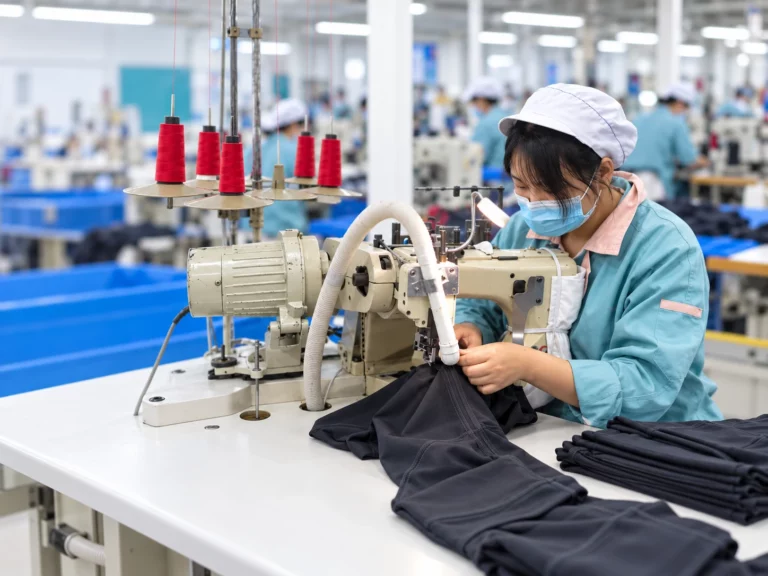
For the brand to determine whether the company can deliver orders without any effect on the quality, it needs to check the production line, machinery, labor, production capacity per month, seasonal production planning, expertise in the product category, and subcontracting policy.
The lead time for the production needs to be divided into the following stages: technical evaluation, preparation of fabric, pattern creation, sampling, revisions, pre-production approval, bulk production, inspection, packing and delivery.
Buyers should also confirm which steps can run in parallel and which steps depend on final fabric or sample approval.
The time required to produce custom fabrics, special trims, test samples, complex prints and multiple iterations can extend the overall schedule.
It is also important to consider a factory’s repeat-order capacity, i.e., although a factory may be able to fulfill a small launch order, it may not be able to support rapid replenishment or larger follow-up orders.
7. Verify Sustainability, Compliance, and Traceability
Verify environmental and compliance claims with current documentation. Evidence to support environmental claims and compliance with laws and regulations may include material certificates, records of recycled content, test results for restricted substances, chemical management procedures, social compliance audits, workplace safety records, and product traceability documentation.
Check the extent and validity of each certificate; some certificates are for a particular plant, process, type of material or time period.
Traceability becomes all the more important when certain kinds of material like recycled fibers, low impact dyes or finishes are involved. The approved material and its corresponding batch must be traceable through the documentation.
Responsible materials must also satisfy certain physical performance criteria, such as stretch, recovery, softness, durability, opacity and color fastness.
8. Evaluate Communication and Long-Term Reliability
Quality communication often indicates quality operations. A trustworthy supplier needs to offer accurate quotations, correct specifications, written comments for samples, revision histories, production news, inspection data, packaging information, and shipping papers.
Rapid responses are not sufficient by themselves. Quality technical information, transparency, problem-solving skills, and reliability matter more.
An excellent supplier must be quick to respond, but also pose accurate technical questions before quoting prices or discussing feasibility of production.
Long-term reliability can be evaluated through repeat-order performance, delivery history, confidentiality procedures, material continuity, and the ability to reproduce approved measurements, colors, and construction standards.
Yogawear Manufacturer Evaluation Checklist
Before production approval, the sourcing file should include:
- Factory information
- Relevant samples
- Fabric specifications
- Test results
- Approved colors
- Size charts
- Tech packs
- Final approved sample
- Confirmed MOQ
- Itemized pricing
- Production lead time
- Quality standards
- Packaging requirements
- Payment terms
- Shipping responsibilities
A trial order can help evaluate quality consistency, communication, timing, documentation, and problem-solving performance. The final decision should be based on technical capability, total sourcing value, and long-term reliability rather than price alone.
FAQ
What Is the Most Important Factor When Selecting a Yogawear Manufacturer?
Category-specific technical expertise is essential. The manufacturer should understand performance fabrics, stretch recovery, ergonomic fitting, opacity, seam comfort, support, compression, and wash durability.
What Is a Reasonable MOQ for Custom Yogawear?
MOQ depends on construction, fabric, colors, trims, logo techniques, and packaging. Seamless products and custom-fabric programs generally require higher quantities than standard cut-and-sew styles.
Should Samples Be Approved Before Bulk Production?
Yes. The final approved sample should confirm fabric, color, fit, measurements, construction, branding, trims, finishing, and packaging before bulk production begins.
How Can Fabric Quality Be Evaluated?
Fabric quality can be evaluated through tests for stretch and recovery, opacity under stretch, pilling, shrinkage, colorfastness, abrasion resistance, and wash durability.
What Is the Difference Between OEM and ODM Manufacturing?
OEM production follows specifications provided by the client. ODM production provides broader development support, from design refinement and material selection to pattern making, sample production, and production planning.
Partner with an Experienced Yogawear Manufacturer and Supplier
Harvest SPF supports apparel brands, retailers, wholesalers, and sourcing teams with functional fabric development, custom yogawear manufacturing, seamless activewear production, OEM/ODM services, rapid sampling, quality management, packaging, and shipment coordination.
To start a custom yogawear project, buyers can submit technical packages, reference samples, target quantities, fabric requirements, size ranges, and delivery schedules for project evaluation and quotation.
Contact Harvest SPF to discuss custom yogawear manufacturing requirements and receive a tailored production solution.